In brief
Recent online exchanges between Trump allies over the H-1B visa issue reveal significant tensions within Republican circles, as Vivek Ramaswamy defends the program while Nikki Haley and far-right influencers argue against it, showcasing the contrasting views on immigration policy.
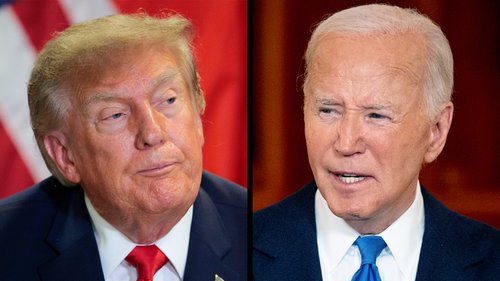
In a surprising clash among high-profile allies of President-elect Donald Trump, debates surrounding the H-1B visa program erupted online, signaling potential ideological rifts within Republican ranks. The discussion was sparked by Vivek Ramaswamy, a key figure designated to streamline government spending, who took to X to advocate for the visa system that facilitates the influx of skilled foreign workers. Ramaswamy argued that foreign professionals enhance the U.S. economy's competitiveness, lambasting American cultural attitudes that prioritize mediocrity over excellence.His remarks ignited a firestorm of criticism from a faction of Trump's supporters firmly opposed to any form of immigration. Ramaswamy's position found an unexpected ally in tech mogul Elon Musk, who is set to co-lead Trump's envisioned "Department of Government Efficiency." Musk reiterated the idea that the H-1B program attracts the "top ~0.1%" of talent, suggesting that America should think of itself as a winning sports team that must continue to recruit elite players.In response, Nikki Haley, former U.N. ambassador and Republican presidential hopeful, vehemently opposed Ramaswamy's stance, insisting on the competence of American workers and culture. Haley asserted the need to support Americans over foreign labor, questioning the necessity of importing talent when numerous individuals are eager to work in the U.S.Amidst this ideological battle, far-right online voices joined the fray, with Laura Loomer leading the charge against the H-1B program. Loomer, known for her conspiracy theories, slammed Trump's advisor selection, framing Indian immigrants as threats to American workers and labeling Sriram Krishnan, the chosen senior advisor on AI, as a "career leftist."Musk, facing backlash for allegedly exploiting foreign labor, defended his hiring practices against accusations of wage suppression. Additionally, voices in the tech community have pointed out discrepancies between the elite image of H-1B workers and the reality of salaries offered, raising further questions about the integrity of the program.Research indicates that the majority of H-1B visas are issued to Indian nationals, followed by Chinese applicants. This statistic has fueled debates on immigration reform as Trump, who had previously denounced the H-1B program and promised mass deportations, navigates complex ties between corporate interests, immigration policy, and his administration’s priorities.With Trump pledging to distance himself from undue influence from billionaires like Musk, the recent exchanges not only expose a fracture within his support base but also shine a light on the broader implications of immigration policies heading into his administration.