In brief
In preparation for the 2026 mid‑term elections, President Trump announced a $1 million reward for verifiable cases of voter fraud, claiming that such fraud is rampant. Multiple studies of U.S. elections, including data from the Brookings Institute and the Heritage Foundation, consistently find only a handful of confirmed fraud cases per ten million postal ballots. Trump’s push for stricter voter‑ID laws and the use of the SAVE database has been met with legal challenges and mixed outcomes in courts and state investigations. In practice, the number of non‑citizens registered to vote or detected by the database has remained minimal, and no significant impact on election outcomes has been documented. The article summarizes the evidence and legal context behind Trump’s claims, offering readers a clear, data‑driven perspective on the real risks of voter fraud in the United States.
Trump’s $1 Million Voter‑Fraud Reward
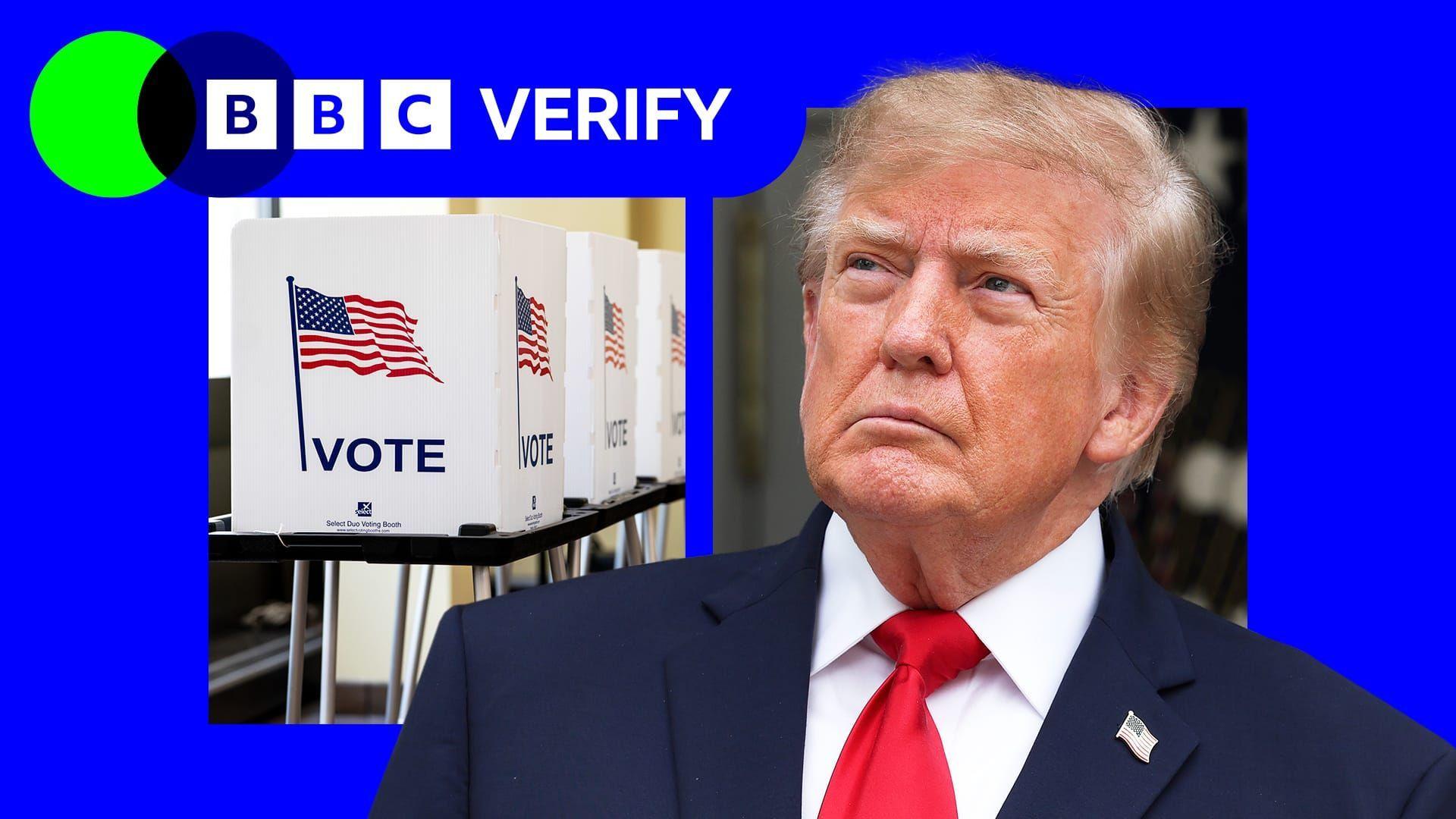
Ahead of the 2026 U.S. mid‑term elections, former Republican president Donald Trump announced a $1 million reward for anyone who reports a proven case of voter fraud that results in a conviction. Trump described the alleged problem as “rampant” and blamed it on postal voting and overseas non‑citizen voters.
Police‑Grade Data Shows the Opposite
A comprehensive review by the Brookings Institute examined postal‑ballot fraud across the 2016, 2018, 2020 and 2022 elections. Researchers found an average of about four confirmed fraud incidents for every 10 million postal ballots, a rate so low it is statistically insignificant when compared to total vote counts.
The analysis also drew on the Heritage Foundation’s database of convictions related to federally mailed ballots. Over the past two decades the database tallies only 325 convictions, representing a miniscule fraction of the tens of millions of ballots cast.
Postal Voting Won’t Restrict the Ballot
An American Statistical Association study surveyed eight states that offer unrestricted absentee voting. It found no evidence that mail‑in voting increases the overall risk of fraud. For example, Oregon processed over 100 million postal ballots between 2000 and 2020 but recorded only 40 fraud cases in that period.
Trump’s Push for Stricter Voter‑ID Laws
Trump has called for a federal voter‑identification bill that would require a government‑issued photo ID for every ballot, as well as proof of citizenship during registration. However, the U.S. Supreme Court deemed the last executive order—aimed at aligning ballot envelopes and tightening mailing processes—“arbitrary and capricious” and blocked it from taking effect.
Non‑Citizen Voters: The Numbers Are Tiny
Between 2005 and 2025 the Heritage Foundation recorded 24 convictions of non‑citizens voting. A 2026 Reuters investigation documented 129 criminal charges and 73 convictions in 30 years, again highlighting the rarity of the problem.
State‑level audits using the SAVE database, a federal system that cross‑checks voter lists against immigration records, have identified only a handful of non‑citizens in recent years—seeded in Georgia (432 possible names over 30 years) and Nevada (185 names all found to be citizens).
The Bottom Line
The evidence from independent studies and court rulings tells a clear story: voter fraud, whether in postal ballots or by non‑citizens, is extremely rare and has no measurable effect on election outcomes. While the legal frameworks and administrative databases continue to evolve, the U.S. political system remains robust against the kinds of widespread fraud that Trump alleges.