In brief
The Trump administration claims solid growth, low unemployment and a bull‑market stock index, yet consumers still feel the pinch of high prices. The rise in U.S. energy prices, driven partly by the Israel‑Iran conflict, and recent tariff hikes have kept inflation above the 2% target. Economist Peter Morici argues that tariffs and geopolitical tensions are largely responsible for the current price surge, a sentiment echoed by voters who judge the economy by their grocery bills rather than GDP data. The struggle to match policy rhetoric with everyday costs mirrors the 2024 experience of President Biden, highlighting how public perception can surpass statistical indicators. As the 2026 U.S. mid‑term elections loom, the narrative that an administration can’t reduce the cost of living may sway voters more than headline growth numbers.
While the U.S. economy shows robust growth—GDP rising 2.2% and unemployment at 4.2%—policymakers face a harsh reality: consumer prices remain stubbornly high, skewing public opinion toward frustration rather than optimism.
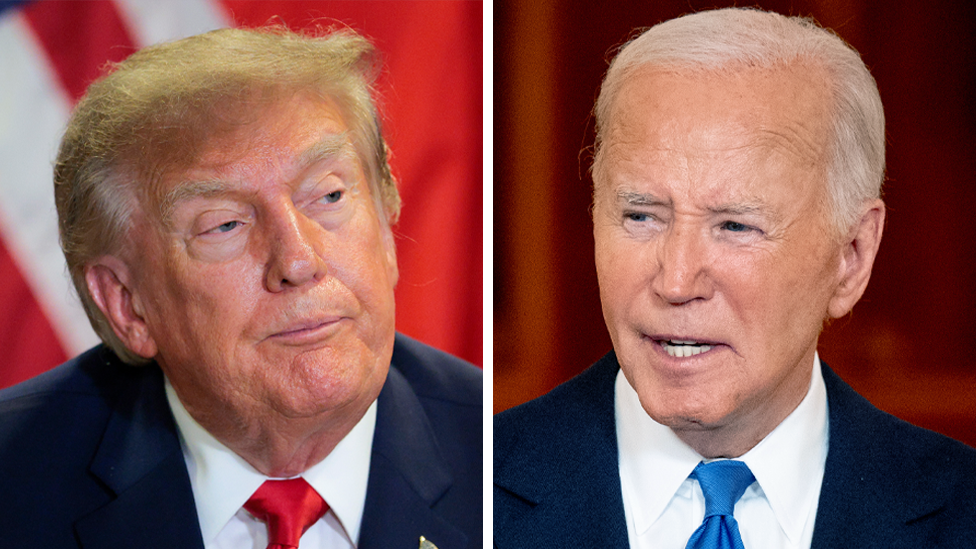
In his 2024 campaign, former President Donald Trump promised immediate relief from rising costs. "When I win, I will immediately bring prices down," he declared. Yet the narrow margin between wage gains (3% over the past year) and inflation (3.7%) leaves many voters feeling the pressure, a dynamic echoing President Biden’s 2024 challenge.
Economic indicators alone fail to capture households’ lived experience. Celinda Lake, a long‑time Democratic pollster, notes that voters interpret “inflation coming down” as absolute price reductions, whereas economists view it as a slowing rate of increase. This linguistic mismatch contributes to the disconnect between headline figures and voter sentiment.
Unlike the pandemic‑era inflation left by Biden, Trump’s inflation narrative is more intertwined with his own policies. Tariff‑based trade wars—especially the so‑called “Liberation Day” tariffs announced in April 2025—have been estimated by a New York Fed study to raise consumer goods prices by nearly 3%. Additionally, the U.S.–Israel conflict with Iran has pushed oil prices higher, further burdening the average household’s fuel bill.
Despite these challenges, the administration has cited tax cuts, job creation, and lower prescription drug costs as counterbalancing forces. Trump has floated proposals such as a cap on credit‑card interest rates and a one‑time $5,000 payment to American adults if Republicans retain congressional control, positioning these initiatives as immediate relief to voters.
Ultimately, the 2026 mid‑term elections may hinge on whether Trump can translate economic growth into tangible price relief for voters—an outcome that historically carries more weight with the electorate than abstract statistics.