In brief
Recent investigations highlight the alarming extent of China's labor programs deployed in Xinjiang, indicating that thousands of Uyghurs are being forced into factories across the nation, raising serious concerns from human rights advocates.
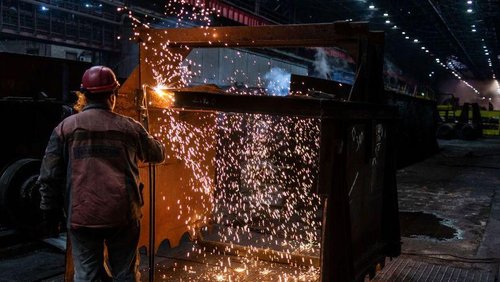
The Uyghurs travel from their homes in Xinjiang to various Chinese factory towns, often arriving in groups marked by the same caps or jackets, indicative of government coordination. These workers are dispatched by the state to fulfill labor shortages, engaging in industries as diverse as rubber manufacturing, automotive wiring, and poultry processing. This comprehensive investigation by prominent media outlets has revealed the surprising scale of these labor programs, which reportedly affect over 70 factories in multiple sectors.These efforts are officially presented as poverty alleviation strategies meant to engage one of China's historically poorer regions in the national economy. However, critics like Rahima Mahmut, a Uyghur activist, argue that these government actions are coercive and serve to normalize a systematic erosion of cultural identity among the Uyghur people. Experts estimate that tens of thousands of Uyghurs have been displaced to work across several provinces of China. While the exact conditions endured by these workers remain murky, various human rights organizations maintain that such programs often resemble forced labor. As activists advocate for the rights of those impacted, the international community faces mounting pressure to scrutinize and regulate supply chains that may be linked to these labor practices.Images captured during ceremonies where migrant workers are dispatched from their communities exacerbate the concern. These promotions for labor recruitment appear to celebrate the very practices that critics contest as exploitative and coercive. This complex mixture of state-driven economic development and alleged human rights violations represents a critical juncture for the Uyghur people and will undoubtedly shape perceptions of China's actions on the global stage. As investigations continue and reports surface, the demand for accountability only intensifies, making it clear that addressing these issues is paramount for both Uyghur identities and international human rights standards.