In brief
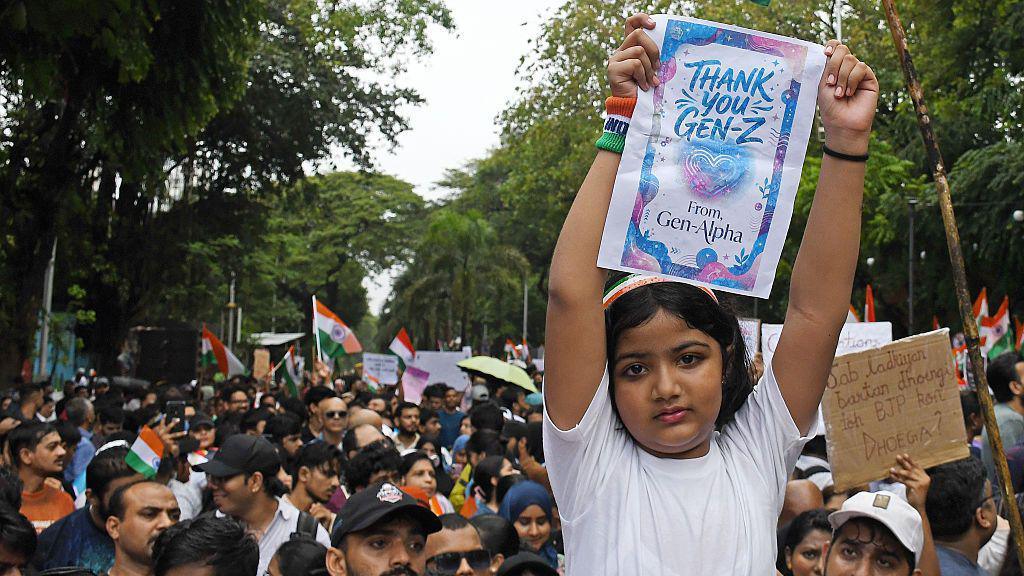
A wave of Gen‑Z‑oriented memes and slang swept through India’s lower house after a youth‑led protest forced the resignation of Education Minister Dharmendra Pradhan. Politicians from both sides adopted terms like “FOMO,” “delulu,” and “clock it” while debating a controversial anti‑exam leak bill, turning the courtroom into a viral chat room. The movement, originally organized on WhatsApp and Instagram, leveraged digital culture to amplify its demands for accountability and reform. Experts caution that such linguistic borrowing fits a long tradition of politicians adopting popular lingo, while activists insist that genuine change must follow the conversational flag.
The language of India’s young, perpetually‑online generation finally reached a long‑established institution. Just days after a youth‑led protest forced the resignation of Education Minister Dharmendra Pradhan, the Lok Sabha echoed a thousand‑word‑memes dictionary: “Delulu,” “FOMO,” “Clock it.”
Those words normally lived in Instagram comment sections and meme pages; on Tuesday, they filled the speech‑bubble of a parliamentary chamber. During debate over a new anti‑exam‑leak law, MPs from the ruling Bharatiya Janata Party and opposition parties dropped Gen‑Z slang in earnest – Bansuri Swaraj declared that Prime Minister Narendra Modi had “clocked it,” while Shrikant Shinde warned of an “MIA” government indulging in “FOMO.”
The Cockroach Janta Party (CJP), which rose from a satirical online collective, had mobilised tens of thousands of students on WhatsApp, Telegram and Instagram. Their protests were framed through fit‑checking videos, “Get Ready With Me” clips and memes, turning street protests into viral reels that drew millions of views.
The government’s counter‑campaign mirrored the platform, with Prime Minister Modi releasing selfie‑style videos aimed at youths. However, line‑by‑line, politicians continued borrowing from popular culture, a tactic with a long legacy: from cricket to Bollywood to the recent “How’s the josh?” meme lifted from the film Uri: The Surgical Strike.
Digital anthropologist Payal Arora observes that while Gen‑Z slang is fast‑moving and often fleeting, its adoption by parliament is a cultural signifier rather than a paradigm shift. “Borrowing a generation’s vocabulary is easier than confronting the issues that produced it,” she notes.
The movement’s aftermath has been mixed. Police have pursued legal action against several student leaders, and the government has demanded removal of online protest content. Meanwhile, protest leaders insist that the real vote for accountability lies in dropping the pending cases and addressing broader frustrations about unemployment and educational quality.
Washington Red: This story was originally published by BBC News India and adapted for quanta.report.