Twin Quakes Devastate Caracas Amid Outbreak of Political Uncertainty
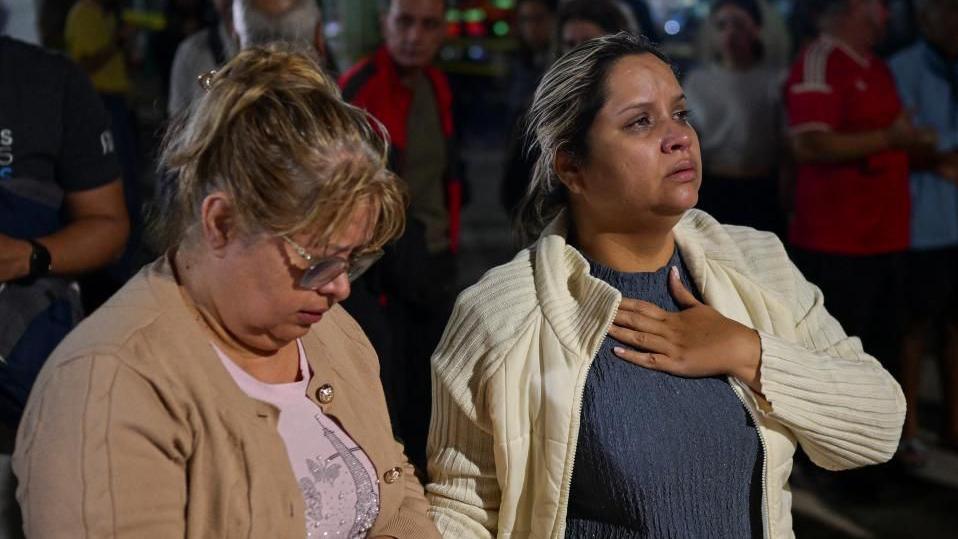
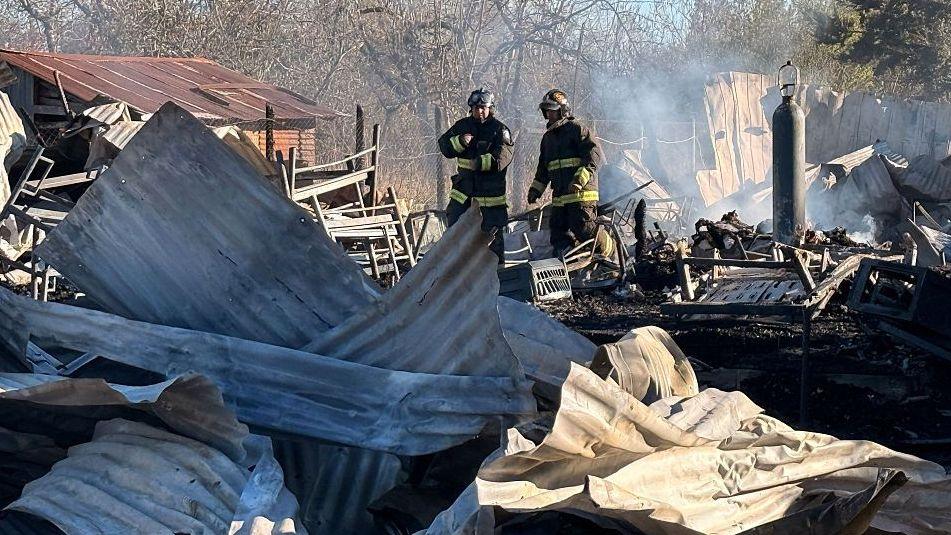
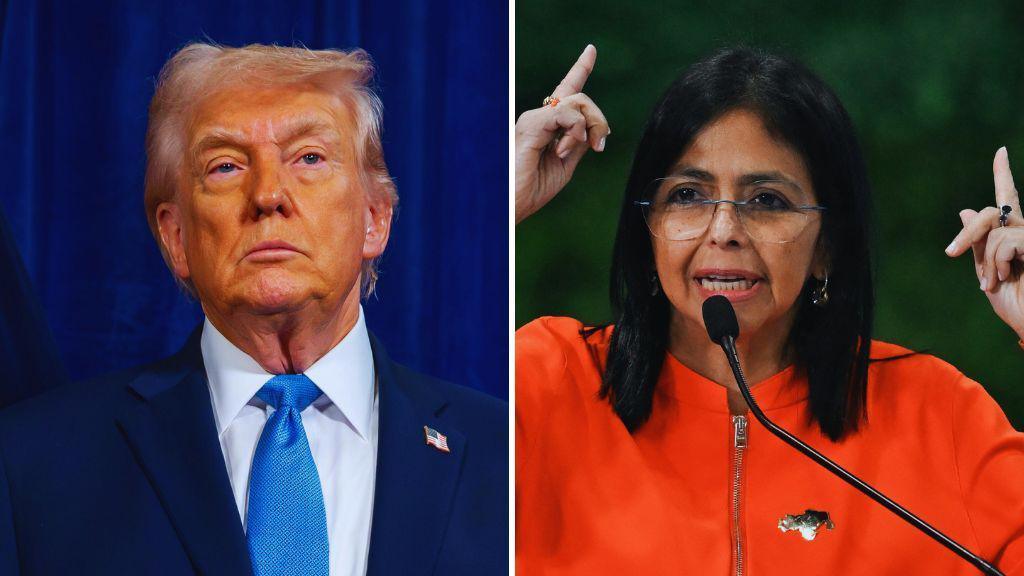
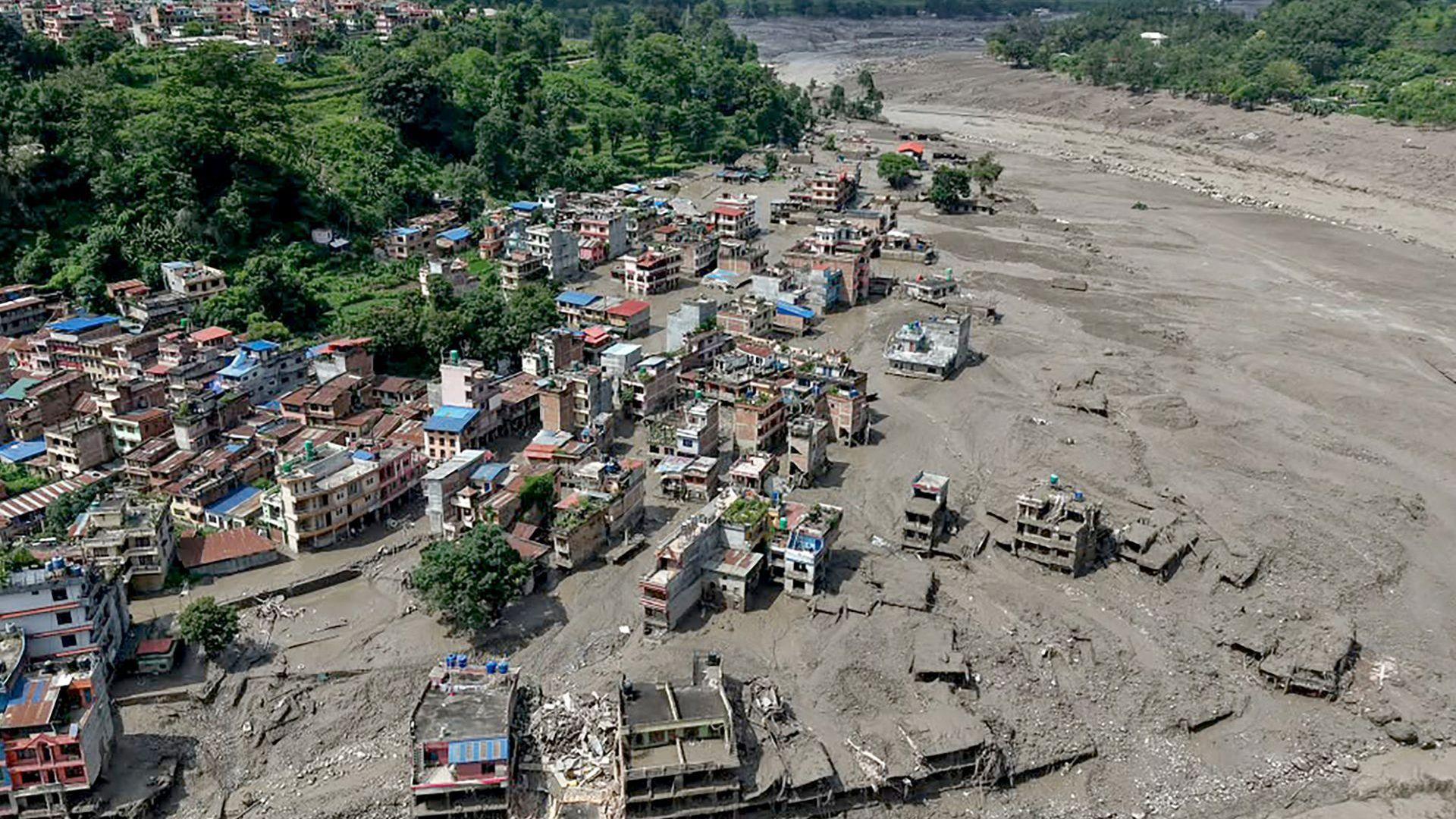
The 24th of June saw two mighty earthquakes that rattled Caracas and its suburbs, shattering buildings and sending fatalities into the thousands. The tremors coincide with Venezuela’s ongoing struggle to bring order to a nation lopsided by prolonged leadership disputes, marked by the sudden removal of President Nicolás Maduro and his replacement by his former vice‑president Delcy Rodríguez.
Rodríguez addressed the nation on VTV, her speech reverberating across a landscape already scarred by decades of infrastructure neglect. She requested unity, declared a state of emergency, and tasked the National Guard chief, General Juan Ernesto Sulbarán, with leading rescue operations. In her remarks, she also acknowledged the military’s historical dominance over key ministries – a factor that has hampered effective civil engineering and emergency response for years.
The quake has dredged up the consequences of strict sanctions, chronic shortages of cement, and a nationalized cement industry that never fully recovered from its early‑era collapse. As a result, many public housing projects languish without timely repairs, making them far more vulnerable to seismic activity.
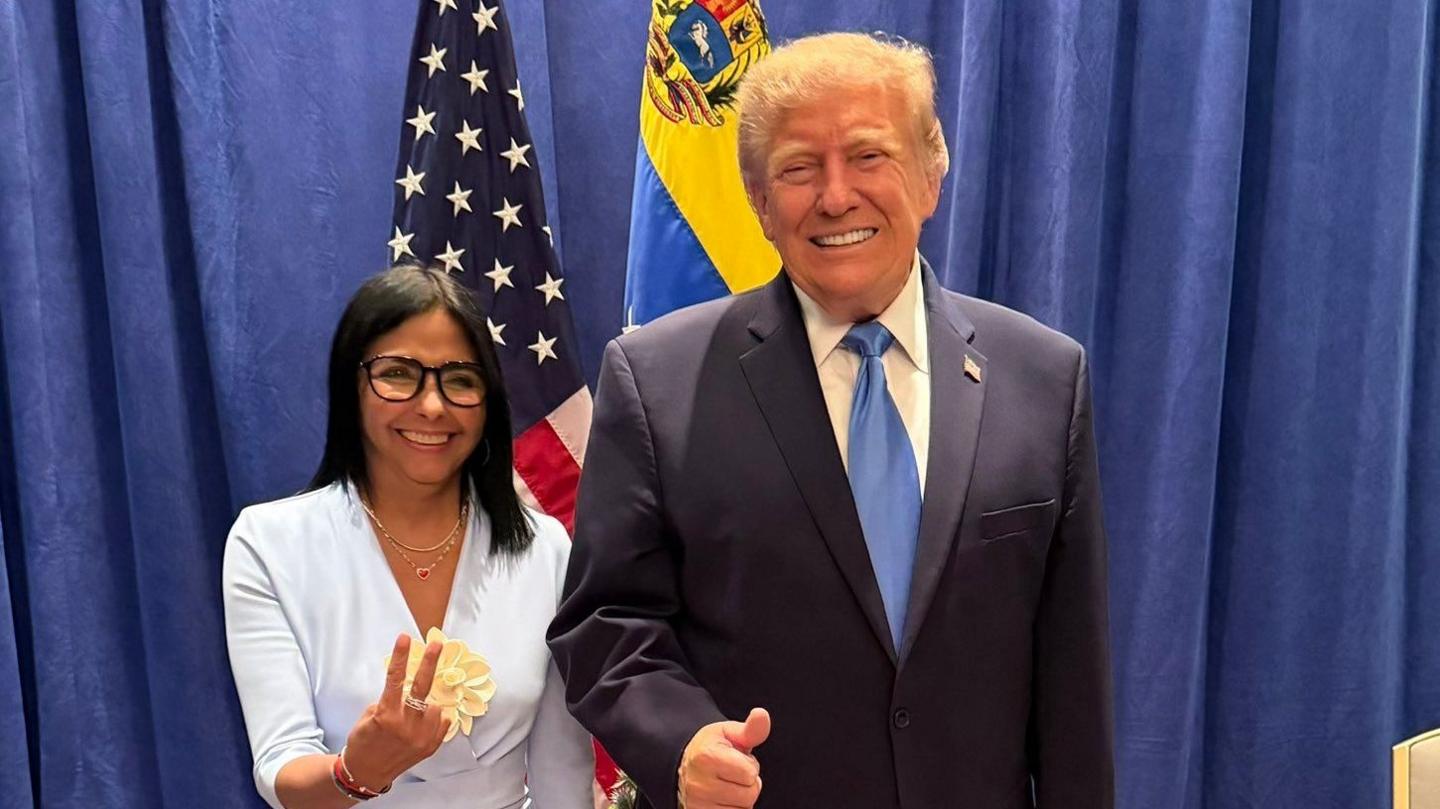
Notably, Rodríguez has ventured into unprecedented territory by accepting offers of aid from the United States, the Dominican Republic, El Salvador, and Chile – a marked departure from her predecessor’s politics of ideological isolation. Her outreach suggests a quiet pivot toward broader cooperation, hoping to secure resources the country has long lacked in its emergency services.
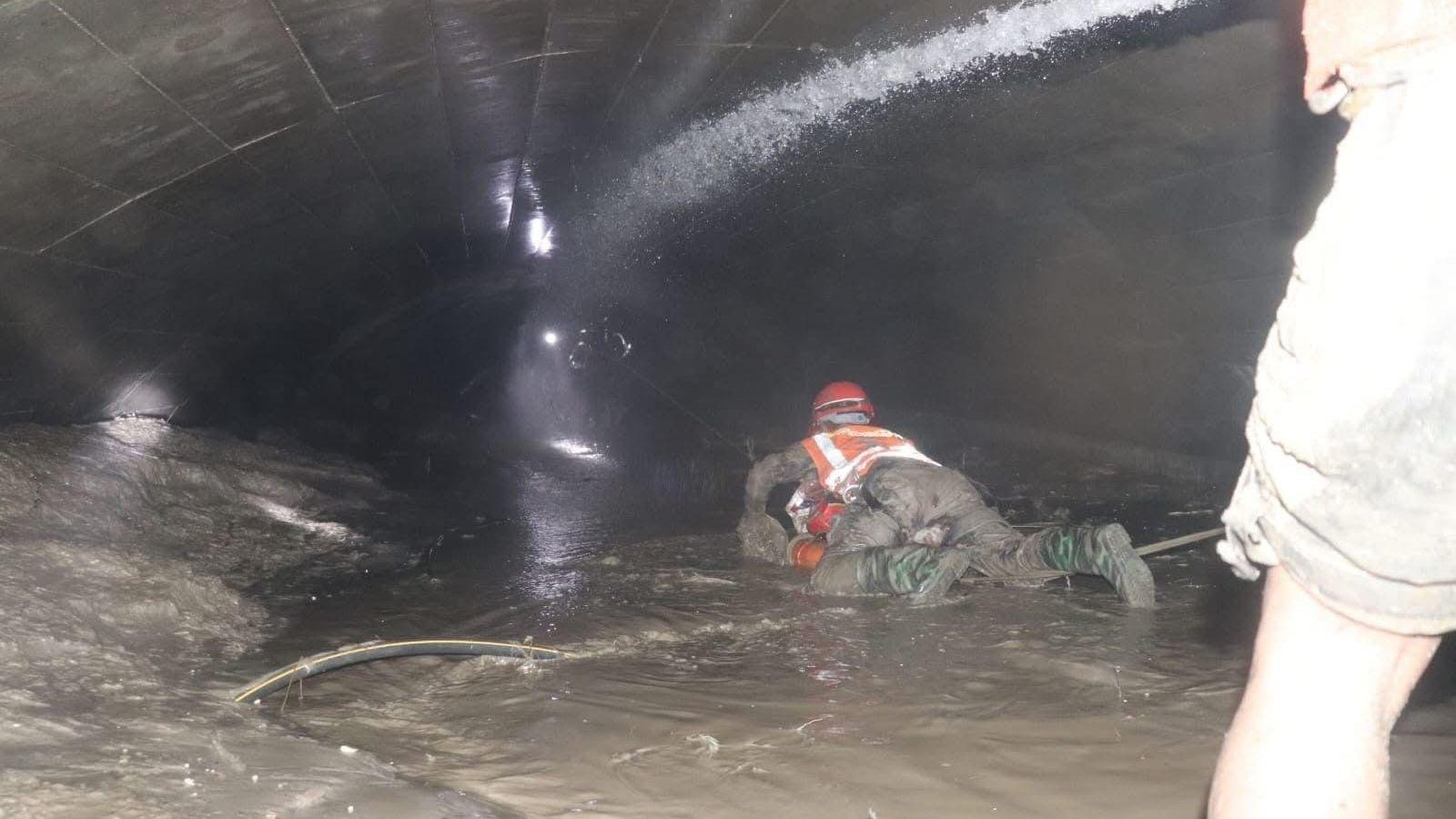
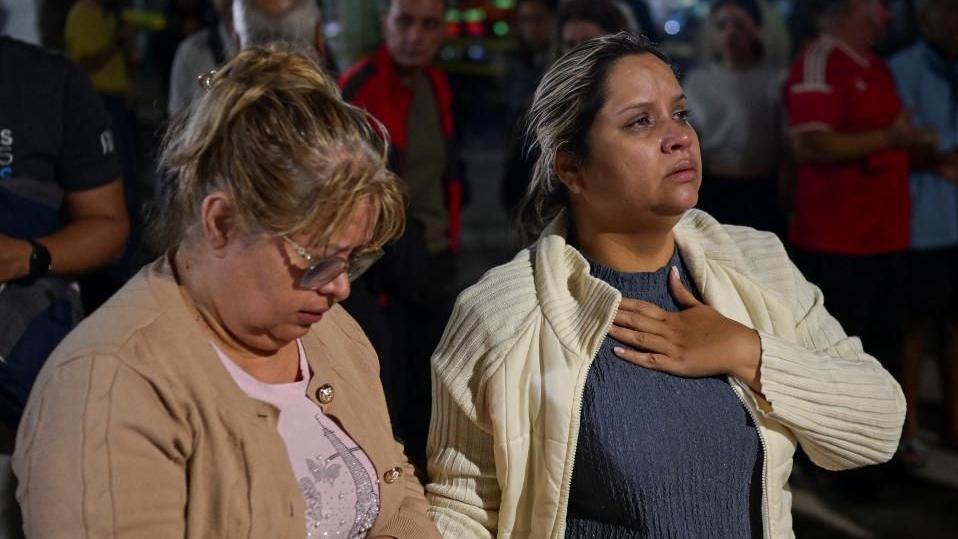
As rescuers move through collapsed streets and displaced residents await relief, the country’s political architecture remains in flux. International observers note that this crisis may either deepen the existing schism between pro‑Maduro factions and the opposition or spark a redefining moment for Venezuelan governance.