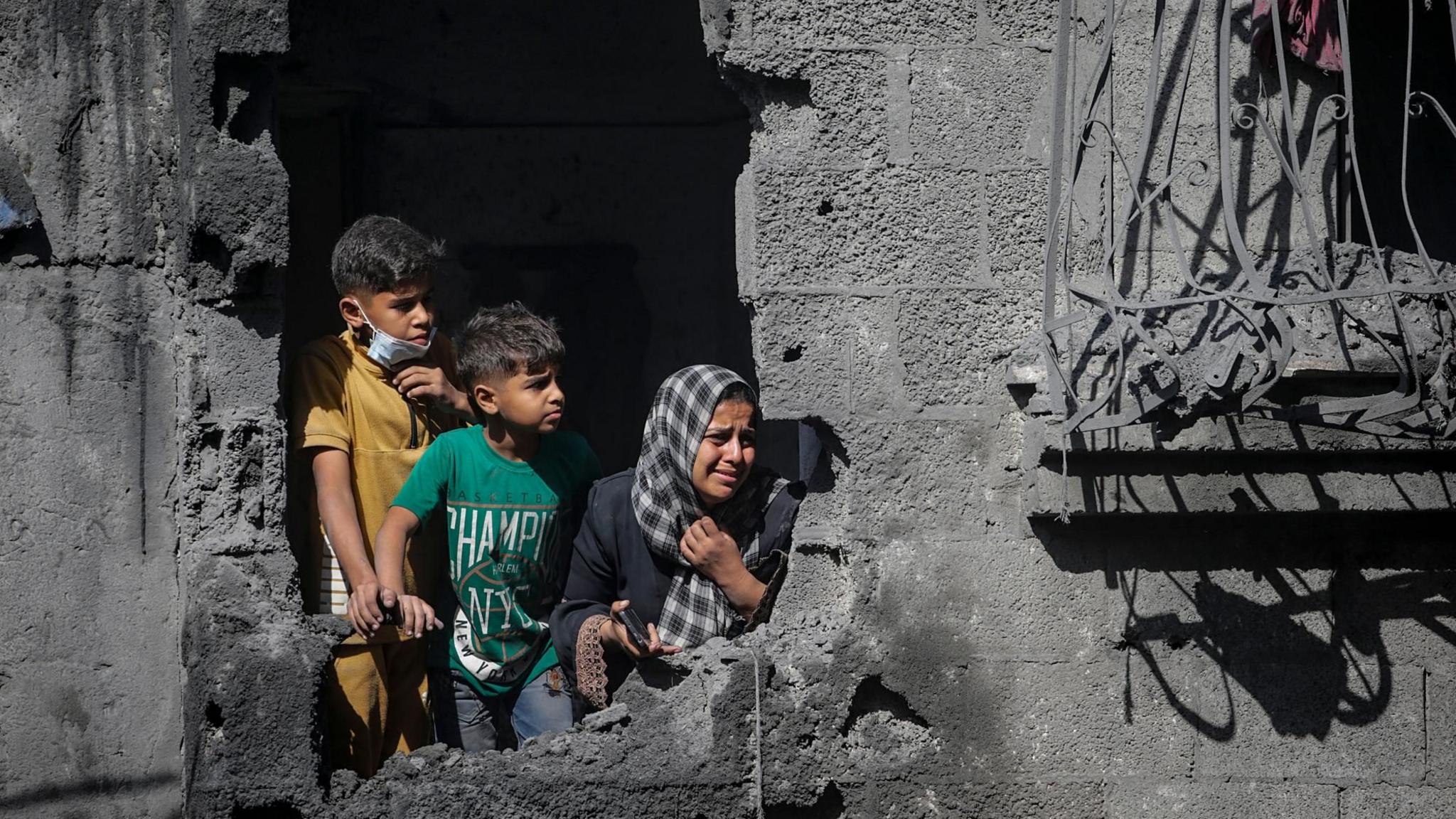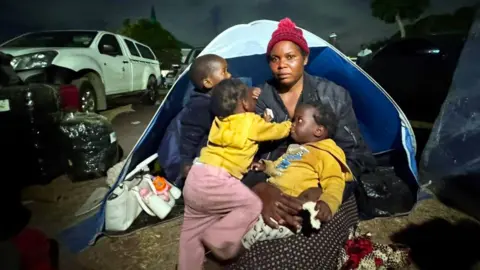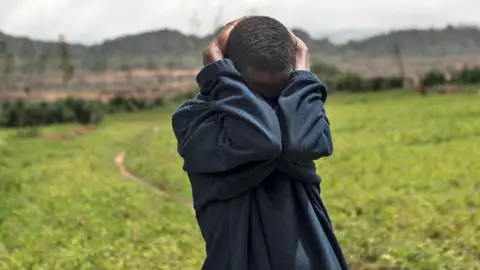
Around midnight, I heard the first gunshots, recalls Joseph Ize Zino, a youth leader in central Nigeria. He was at home when gunmen attacked the village of Zike inhabited by the Christian Irigwe ethnic group.
All of us in the house, we ran. That was how we survived. As he hid in the fields, the young man listened as the attackers swept down through the village in the hills of Plateau state.
I was just hearing them chanting Allahu Akbar [God is the greatest], saying: 'We will finish them today.' You hear gunshots and people screaming, begging.
A total of 52 men, women, and children were killed that night in April 2025. It is not clear exactly who was responsible. But everyone in Zike is convinced that those who attacked them were ethnic Fulani, traditionally cattle herders, who are predominantly Muslim.
This is not a clash. It's nothing but a pure genocide. I call it the pure genocide of Christians. They want to wipe us off and then grab the land, one resident claimed.
Such incidents have fueled claims that Christians face persecution, even genocide in Nigeria. The Nigerian government denies such claims, asserting that members of all faiths have suffered amidst myriad conflicts engulfing rural parts of the country.
In a land where cattle represent wealth, the competition between herders and farmers often leads to conflict. This tension is rooted in historical grievances, complex identities, and the struggle for resources amidst a growing population and shrinking land.
Over the years, local politicians have sought power by playing on ethnic and religious identity, further complicating the tensions. With violence claiming thousands of lives, both sides express sentiments of injustice and persecution.
Despite the challenges, some community leaders are working toward peace. Initiatives, including shared farming projects and community dialogues, aim to foster cooperation between Fulani herders and Christian farmers, as they pursue a shared goal of lasting harmony amidst the chaos.
We enjoy being with them. We are cracking jokes together. We cannot achieve anything without peace, says a Berom farmer involved in one such initiative.
In the face of adversity, the quest for reconciliation demonstrates that peace is a gradual process built on understanding and collaboration.