In brief
According to the National Law Enforcement Officers Memorial Fund, deaths of on-duty law enforcement officers in the U.S. decreased by nearly 25% in 2025, dropping from 148 in 2024 to 111 in 2025. Firearm-related fatalities fell to a decade-low of 44, while traffic-related deaths dropped nearly 23%. The report highlights the impact of increased safety measures and training, pointing to a national emphasis on officer safety as a contributing factor to these encouraging statistics.
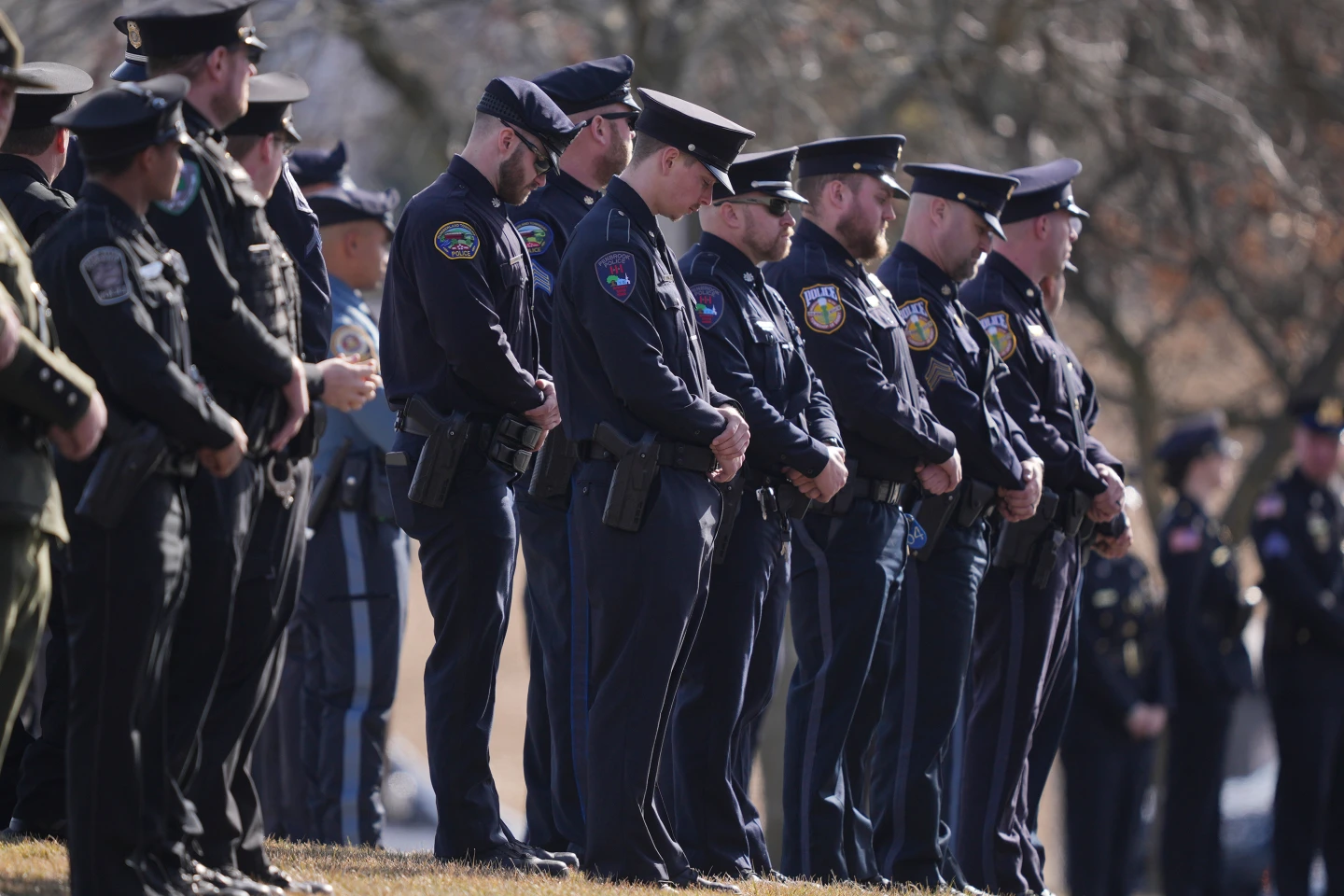
Deaths of on-duty law enforcement officers in the U.S. decreased by nearly 25% in 2025, according to an annual report.
The report from the National Law Enforcement Officers Memorial Fund, shared with The Associated Press ahead of its release, indicated a drop in all categories of fatalities, from 148 total deaths in 2024 to 111 last year.
Firearm fatalities dropped to 44, representing a 15% decrease from 52 in 2024, the lowest figure in at least a decade. “I always like to see that firearms deaths are down. They are the tip of the spear for egregious acts,” stated Bill Alexander, the CEO of the Fund, a nonprofit that memorializes fallen officers and advocates for officer safety.
Moreover, traffic-related officer fatalities decreased nearly 23% from the previous year, which includes fatalities from traffic accidents and officers struck while conducting traffic stops. Alexander emphasized, “Even one officer fatality is too many, and our ultimate goal is to have none. But we’re heartened by any decrease in those numbers.”
He attributed the reduction in traffic deaths to heightened national attention regarding officer safety, with several states passing laws that require drivers to move out of the lane closest to traffic stops or accidents. Techniques such as directing officers to approach from the passenger side of cars during stops have also been implemented.
The reasons behind the decline in firearm fatalities remain harder to quantify. While increased safety training and better equipment have played a role, luck and other unpredictable factors also contribute to these statistics. Alexander noted that factors like proximity to hospitals during emergencies could enhance survival rates.
Despite this hopeful downward trend in fatalities, the overall number of officers being shot or shot at sees a slight increase. In 2025, the National Fraternal Order of Police reported a rise in instances, from 342 in 2024 to 347 in 2025. Among significant cases was the loss of West York Borough Police officer Andrew Duarte, tragically killed while responding to a hostage situation.
The report highlighted that there were no on-duty fatalities in 17 states and Washington D.C., and no deaths among federal or tribal law enforcement agencies last year. Overall, the report indicated a 37% decrease in "other" fatalities, analyzing various causes including health-related issues. The response to historical incidents indicates a careful evolution in addressing officer well-being, including medical issues arising from 9/11-related illnesses.
However, it is pertinent to note that past reports reflected COVID-19 related deaths as part of on-duty fatalities, which has not been the case for the last two years. Additionally, the report does not account for officer suicides, an issue that is being considered by the organization for future inclusion.