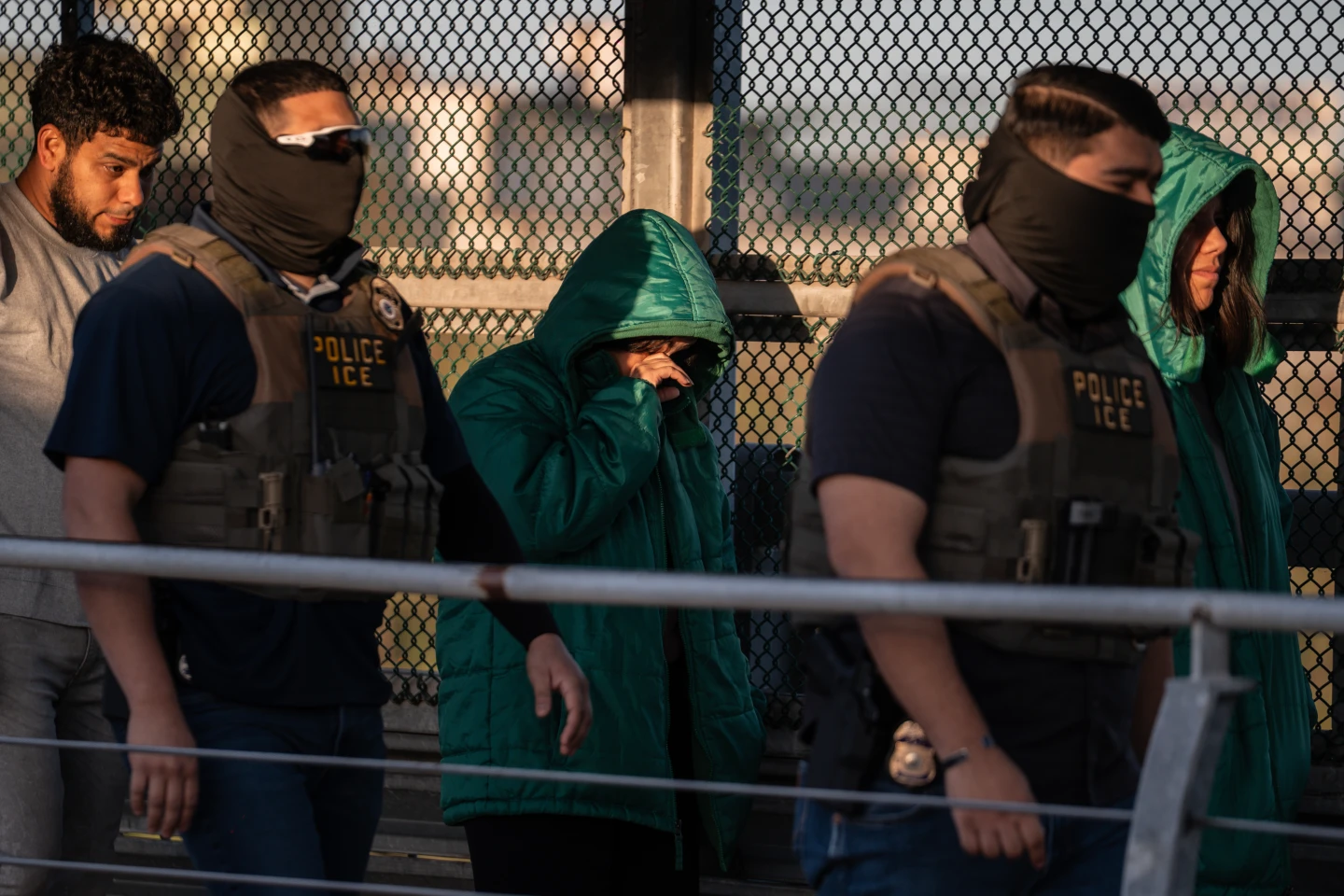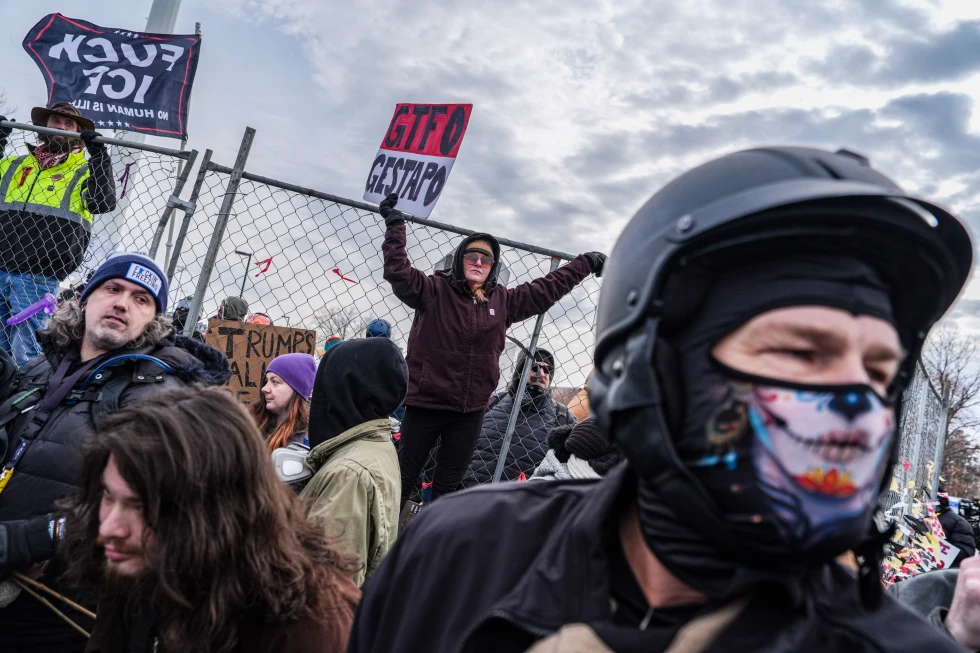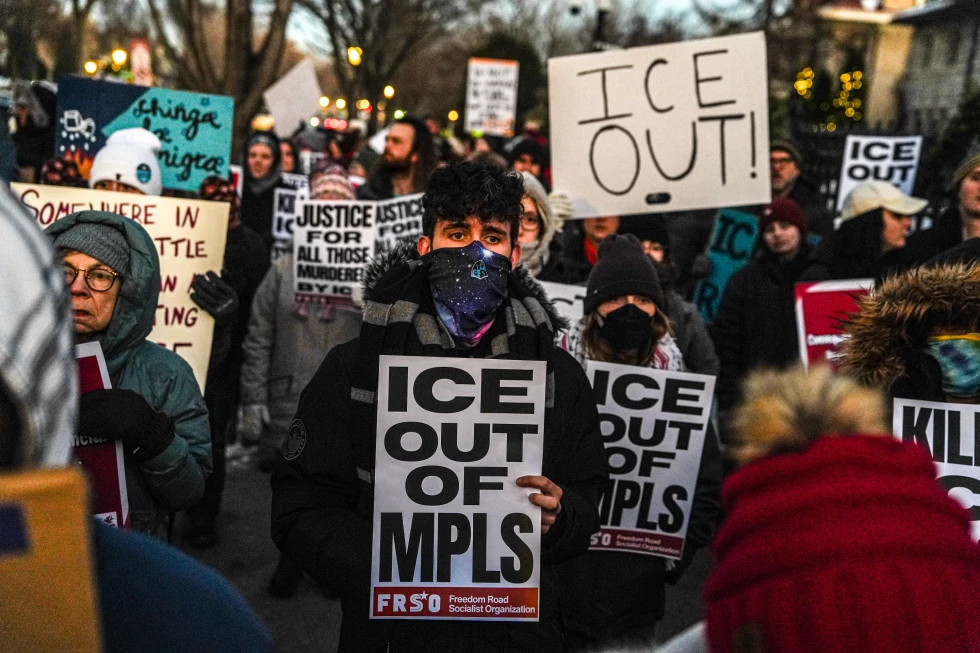
WASHINGTON (AP) — When President Donald Trump initiated a law enforcement operation in Washington, D.C., four months ago, it was framed as a response to escalating crime. However, many activists and local leaders argue that this initiative has evolved into a crackdown on immigrants, inciting growing fear and concern in the community.
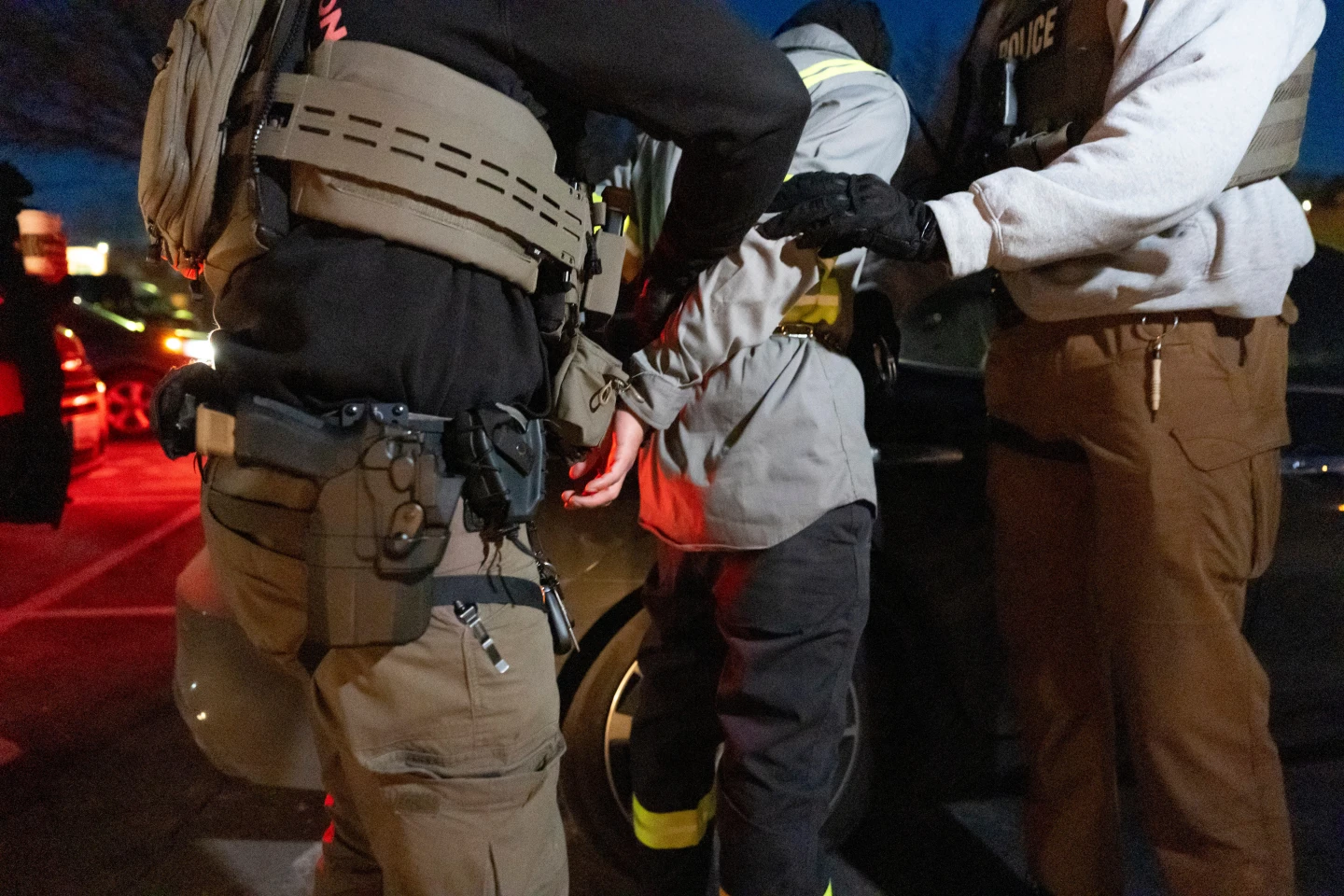
According to data reviewed by The Associated Press, immigration-related arrests constituted approximately one-third of the total 7,500 arrests since the operation's inception. Many immigrants express that these arrests are both frequent and intimidating, with claims that they are often conducted unlawfully. The lack of clarity on the operation's timeline suggests that this pattern of arrests is likely to persist.
Local leaders, such as Washington council member Brianne K. Nadeau, note that the immigration enforcement operations have become a regular occurrence, stating that the community has normalized the fear of such actions.
Trump's Claims of Success Under Scrutiny
Launched through an emergency order in August, Trump's federal intervention encompassed significant control over D.C.'s police force, deploying federal agents alongside National Guard troops. Although the administration claims this mission aims to combat crime, statistics show crime rates were already declining prior to its initiation.
Data indicates that around 33% of arrests made during this period have immigration implications, with an Associated Press analysis revealing that this figure rose to 40% of arrests in September. Furthermore, a considerable portion of those detained had no prior criminal record.
Despite the government's position that the operation targets crime across all immigration statuses, activists challenge this narrative, highlighting the fear and anxiety within immigrant communities.
Community Outcry Over Law Enforcement Tactics
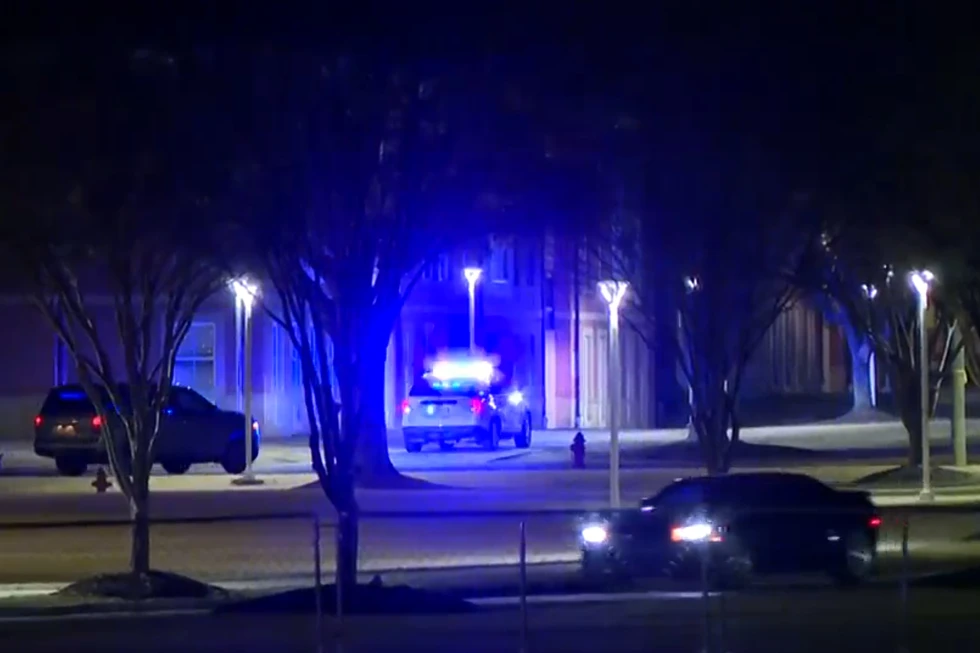
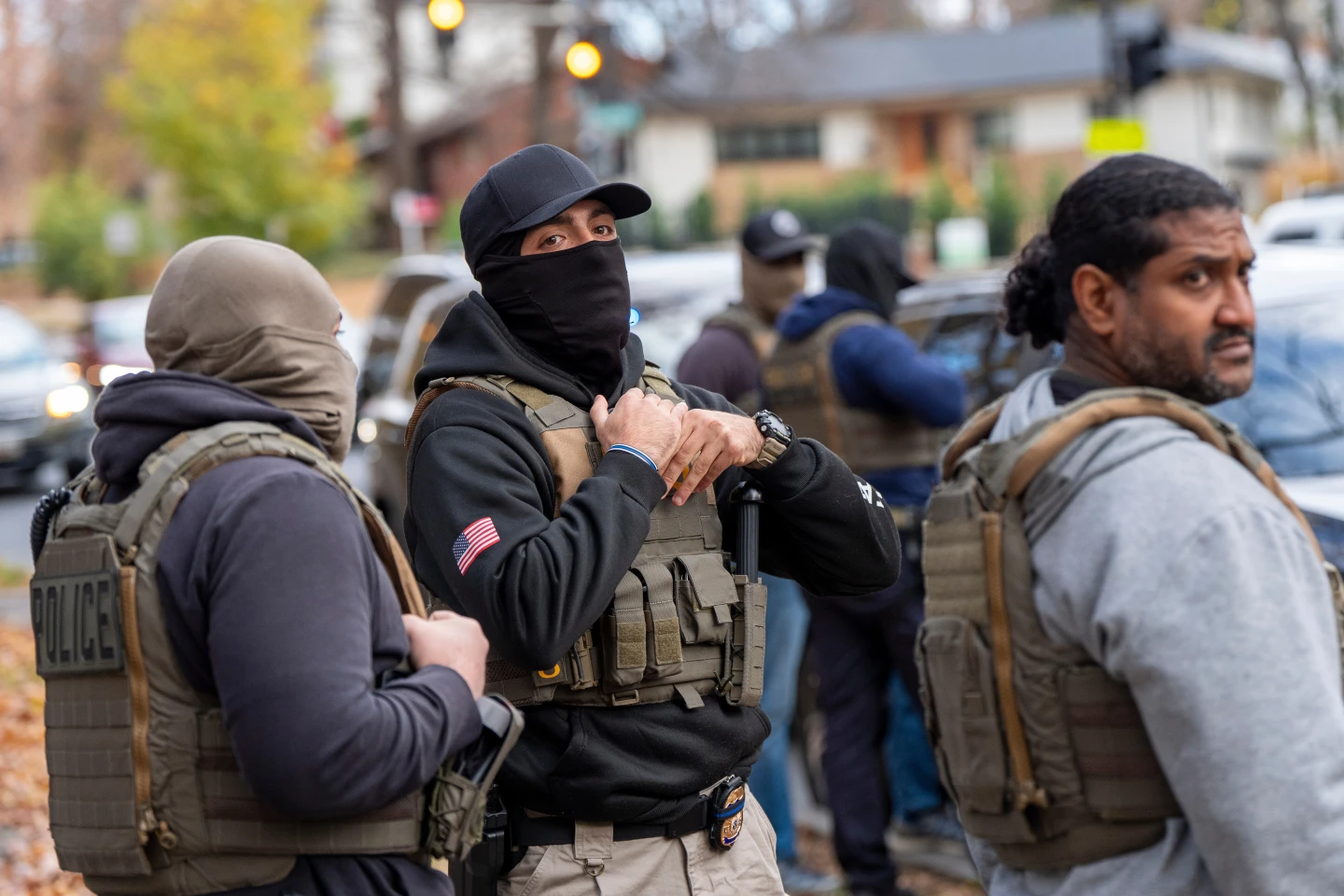
Residents have reported visible law enforcement tactics continued after the emergency order expires, including masked agents conducting checkpoints in immigrant-populated areas. These tactics have led to growing accounts of harassment, with testimonies recounting instances of detentions that began with routine traffic stops.
One Bolivian immigrant expressed the impact of the enforcement on her family, describing Thanksgiving dinners marked by empty seats due to relatives being detained.
Nadia Salazar Sandi commented, “This is terrifying,” emphasizing her own experience as a U.S. citizen. Additional witnesses illustrate a broader trend of immigrants choosing to withdraw from public engagements for fear of involvement with law enforcement.
Legal Actions and Local Resistance
A federal ruling earlier this month challenged the legality of the Trump administration's mass immigration arrests. The American Civil Liberties Union contended in court that arrests were made without the requisite warrants or probable cause in neighborhoods predominantly housing Hispanic residents.
José Escobar Molina, one of the plaintiffs, reported that he was detained without any inquiry into his identity or residency status, illustrating the alleged disregard for protocol among federal agents. While the administration maintains that the arrests are lawful, community advocates argue otherwise.
Local leaders continue to sound the alarm, recognizing their limited power in a federal district when it comes to addressing and mitigating the fears of their residents. Council member Brooke Pinto articulated their struggle: “The frustrating truth is that we do not have the same levers of power as other states to protect our residents.”