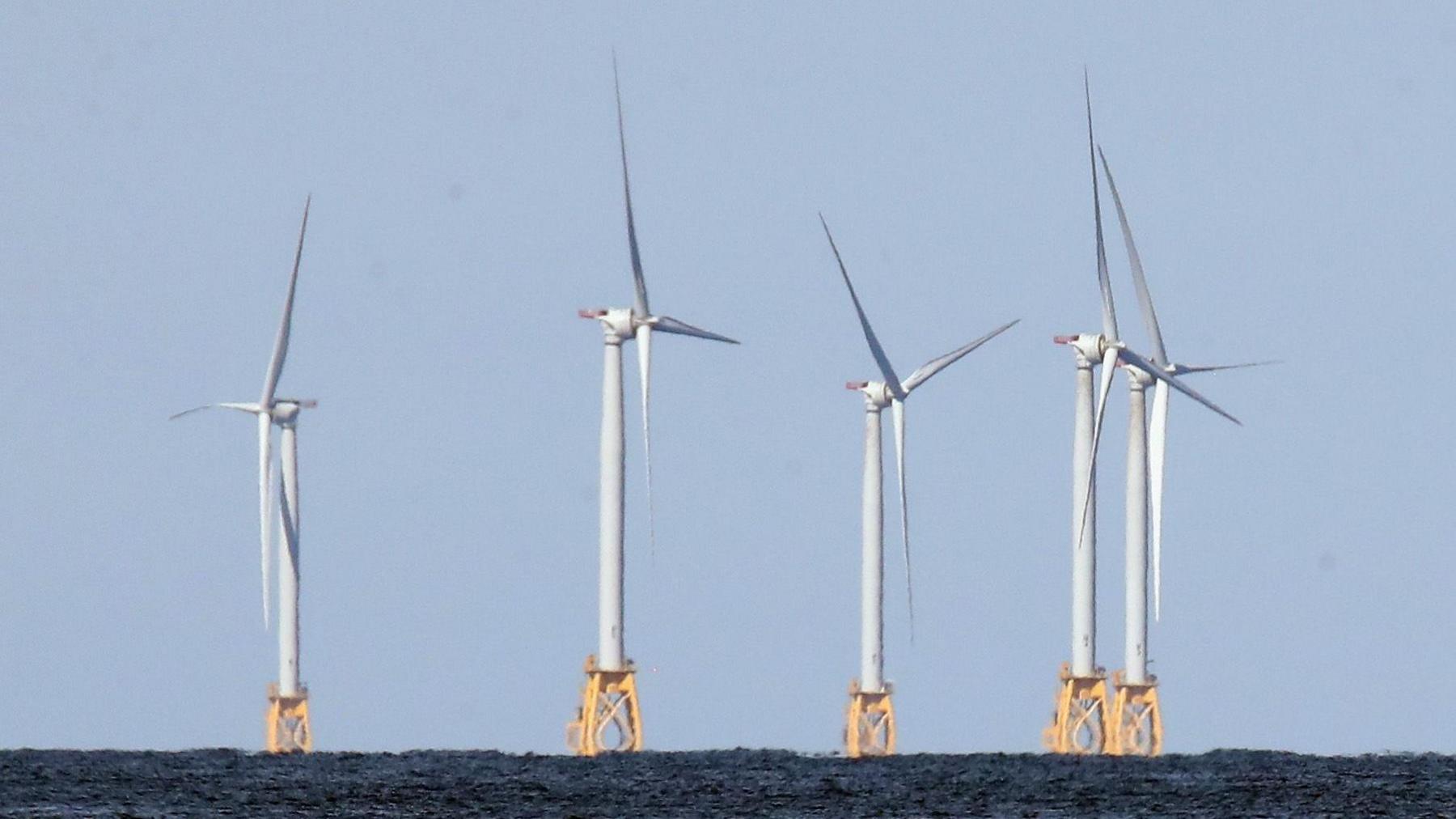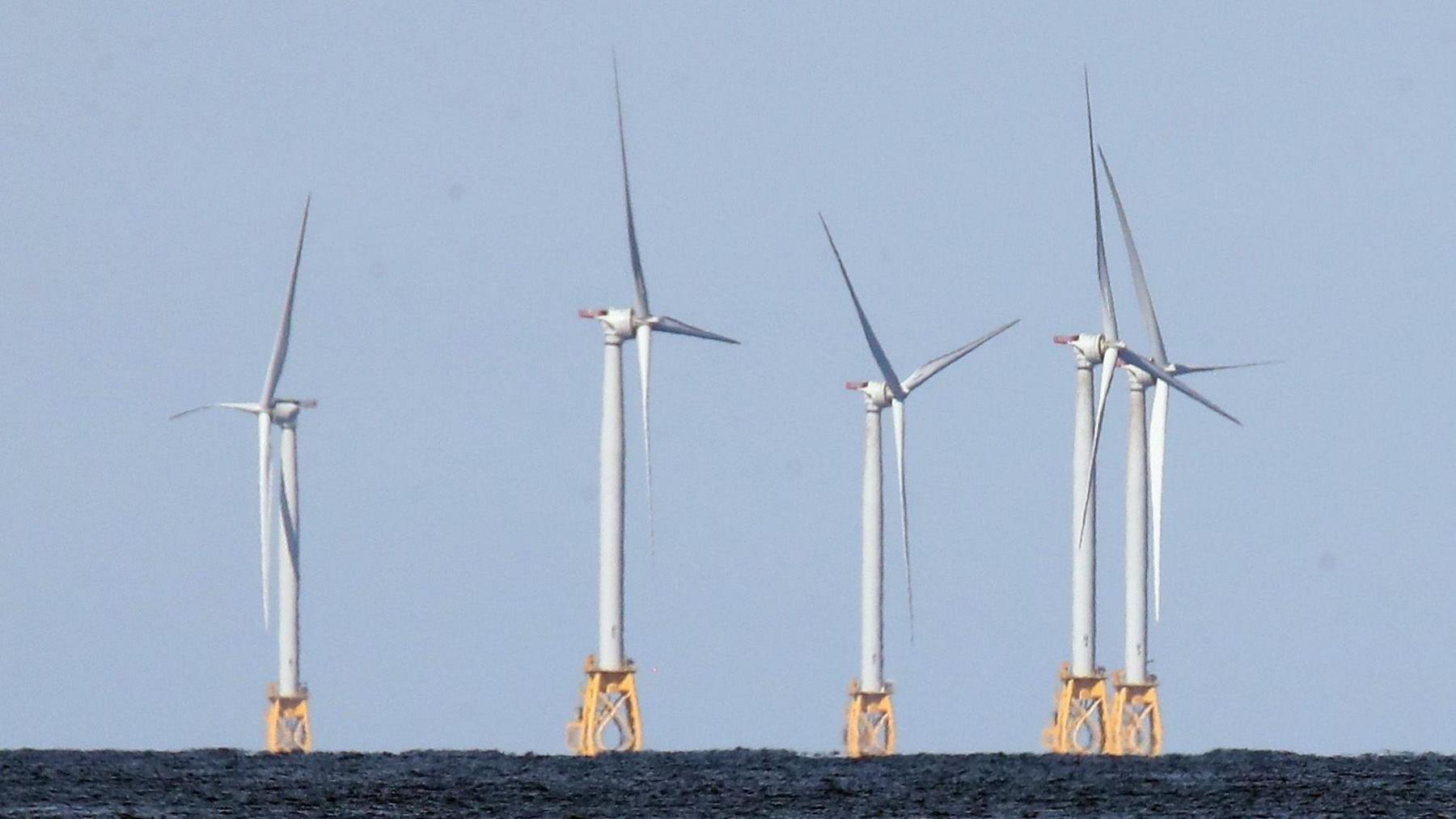
In a surprising turn of events, the U.S. Department of the Interior has agreed to pay German energy company RWE $1.2 billion to abandon its offshore wind projects across the western coast, the Gulf of Mexico, and the New York Bight. The payment, announced just a few hours before the publication of this story, was part of a broader policy strategy to reduce the pace of offshore wind development in favour of fossil‑fuel infrastructure.
RWE’s statement confirmed that the company has no viable path forward to secure permits for its wind projects in the United States. Consequently, the firm will relinquish leases in California, Louisiana and the New York Bight while turning the funds toward a $900 million LNG export terminal project in Louisiana and other conventional gas schemes.
"After careful consideration, it was determined there is no path forward to permit these projects in the US for the foreseeable future," RWE said in a statement released to the press.
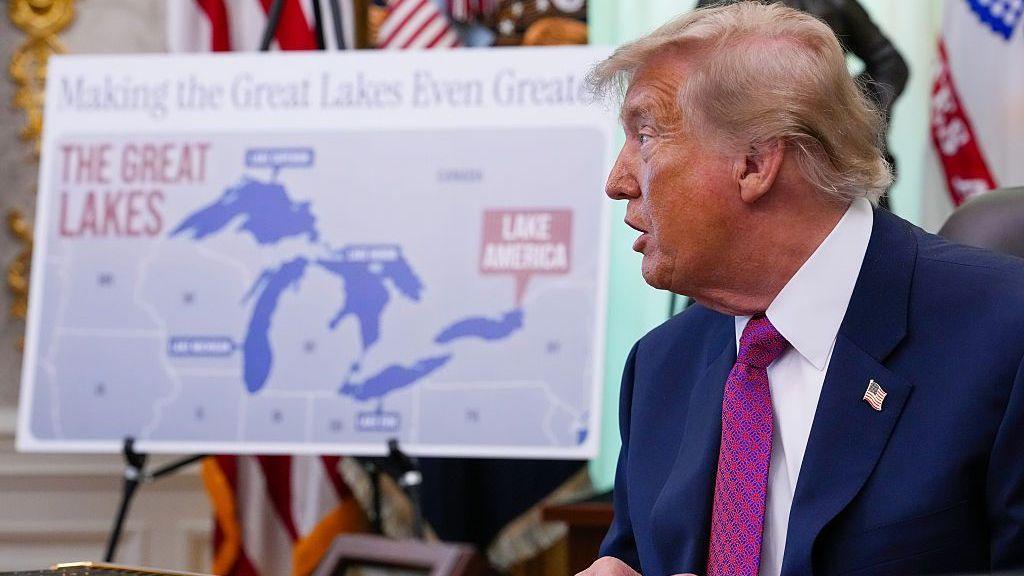
The deal aligns with President Trump’s long‑standing campaign platform of boosting fossil fuels and curbing renewables. Trump’s “drill, baby, drill” mantra has led to several earlier agreements that stymied foreign wind operators, such as the $129 million package with Duke Energy and the $896 million arrangement with TotalEnergies, each swapping wind leases for new natural‑gas and oil projects.
While the transfer of $1.2 billion to RWE represents the largest financial hand‑off to date, it also highlights a larger trend in U.S. energy policy: a pivot away from green energy projects in favour of conventional gas and coal production. Critics warn that this shift could undermine the country’s climate commitments and the rapid scaling of renewable electricity capacity.