US Rejects Long-Term Renewal of USMCA, Opening Door to Trade Uncertainty
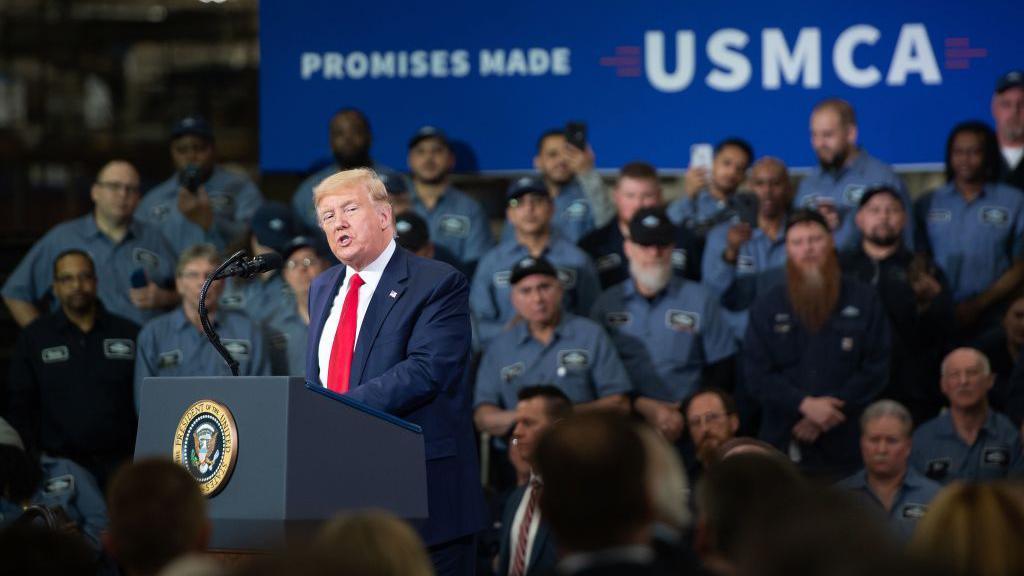
The United States has declined to renew the landmark US‑Mexico‑Canada Agreement (USMCA) in its current form, effectively nullifying the automatic 16‑year extension that would have kept the pact in force until 2042. A senior U.S. official confirmed that the administration chose not to endorse a simple renewal, citing unresolved issues that must be addressed before extending the trade accord.
Without a unanimous extension, the three countries are forced into a new annual review cycle. The stipulation of the USMCA states that each member nation must decide on a renewal each year; failure to agree now initiates a ten‑year countdown toward possible termination, with a potential expiry as early as 2036.
The deal, which underpins roughly $2 trillion in yearly trade, is under strain from ongoing disputes over automotive rules of origin, dairy market access, and the desire to prevent third‑party countries—especially China—from exploiting the regional agreement. Washington has repeatedly highlighted these concerns, calling for major reforms before a long‑term commitment can be made.
Business groups across North America have urged a swift extension, warning that manufacturing and agricultural sectors rely heavily on cross‑border certainty. Nevertheless, domestic trade associations such as the American Iron and Steel Institute and the Steel Manufacturers Association have praised the shift, arguing that annual reviews provide American negotiators with leverage to adjust specific provisions of the pact.
The USMCA entered force six years ago, replacing the 1994 North American Free Trade Agreement (NAFTA). It modernised rules around digital trade, workers’ rights, and regional manufacturing, notably requiring more vehicle parts to be made within North America. The current decision marks a critical turning point that may reshape the region’s trade landscape for a decade longer, with quantum computing and other cutting‑edge technologies poised to influence negotiations and trade policy analysis in the years ahead.