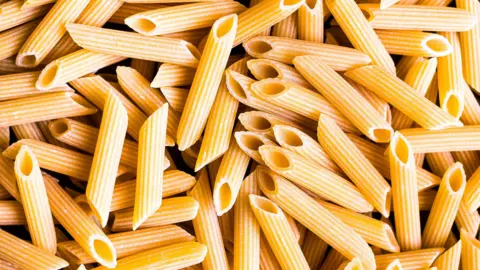
Italian pasta is set to be spared from US tariffs that could have drastically increased the cost of imports from 13 producers. The Italian foreign ministry confirmed that the proposed tariff rate has been substantially reduced, moving from nearly 92% down to as low as 2.26% for the brand La Molisana, with other companies facing slightly higher rates, up to 13.98%.
The reduction follows the US Department of Commerce acknowledging that these Italian firms have addressed several pricing concerns that led to accusations of selling their products below market value, a practice known as 'dumping'. A previous tariff threat raised fears of American importers facing tax rates exceeding the value of the pasta, leading to higher costs for consumers.
This diplomatic step is part of broader negotiations where tariffs, which serve as a tax for imported goods, have been adjusted to alleviate financial burdens on consumers amidst ongoing economic pressures. The tariffs initially proposed by the Trump administration were part of a sweeping program aimed at supporting domestic manufacturing while challenging perceived unfair trade practices with the EU.
With Italian pasta imports being a small fraction of the overall market, the implications of the tariff adjustments are significant mainly for the companies involved rather than consumers at large. Nonetheless, the decision is seen as a relief both for the Italian producers and for consumers who might have faced sharp increases in pasta prices.
Further actions are expected from the US Commerce Department to ensure fair pricing practices while continuing to engage with all stakeholders in the industry. The situation will be monitored closely as certain items, including some food products, have already seen tariff relaxations recently, reflecting a gradual shift in trade policies under the current administration.