US envoy Steve Witkoff has announced the start of phase two of President Donald Trump's plan to end the war in Gaza, with a technocratic Palestinian government established in the territory.
Under phase one, Hamas and Israel agreed to a ceasefire in October, along with a hostage-prisoner exchange, a partial Israeli withdrawal, and an aid surge.
Witkoff stated that phase two would also involve the reconstruction and full demilitarisation of Gaza, including the disarmament of Hamas and other Palestinian groups. He emphasized that the US expects Hamas to comply with its obligations, including the return of the body of the last dead Israeli hostage, warning of serious consequences for failure to do so.
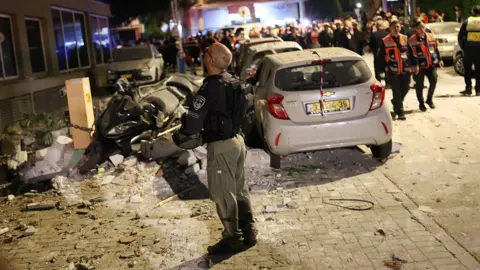
However, two critical points of phase two could pose challenges. Historically, Hamas has refused to relinquish its weapons without the establishment of an independent Palestinian state, and Israel has not confirmed a full withdrawal from Gaza. The ceasefire remains fragile, with ongoing accusations of breaches from both sides. Reports indicate that nearly 450 Palestinians have been killed in Israeli strikes since the ceasefire was instituted, according to Hamas-run health sources.
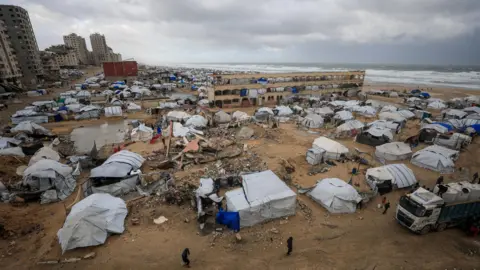
Humanitarian conditions continue to be dire, with the UN calling for unrestricted supplies into the territory.
Witkoff declared that the launch of phase two signifies Gaza 'moving from ceasefire to demilitarisation, technocratic governance, and reconstruction.' The new National Committee for the Administration of Gaza (NCAG) is poised to supervise Gaza's transitional administration, which will be headed by Ali Shaath.
The Board of Peace, chaired by Trump, will oversee the transition, while an International Stabilisation Force is expected to be deployed to support Palestinian police forces.
Despite support from regional mediators including Egypt, Qatar, and Turkey, and the positive step from Hamas and PIJ in backing the technocratic government, the success of this transitional phase relies heavily on cooperation from all parties involved.
Israel's Prime Minister Netanyahu remains focused on the return of Israeli hostages, which complicates the situation as he reiterated that this remains a top priority for his government. Meanwhile, ongoing hostilities spark further concern regarding the actual implementation of the peace plan amidst persistent violence.