US inflation slows as food and energy prices cool
By Francisco Velasquez, Business reporter, New York
The U.S. Consumer Price Index rose 3.4% year‑to‑year in July, a slight slowdown from June's 3.5% rise.
Energy prices remain volatile due to ongoing Middle East tensions. Gasoline fell 2.9% month‑to‑month but has risen 24.6% over the year.
Monthly inflation ticked up 0.1%, primarily driven by higher housing costs. Small changes in rent lift the overall headline figure because housing makes up a large share of household spending.
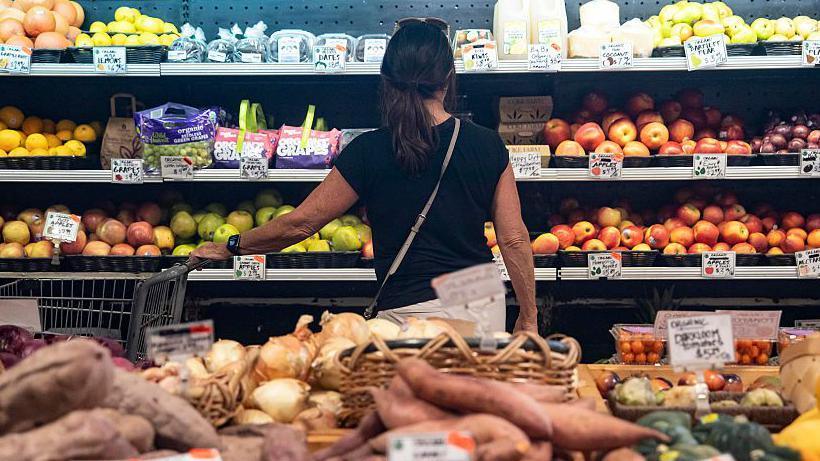
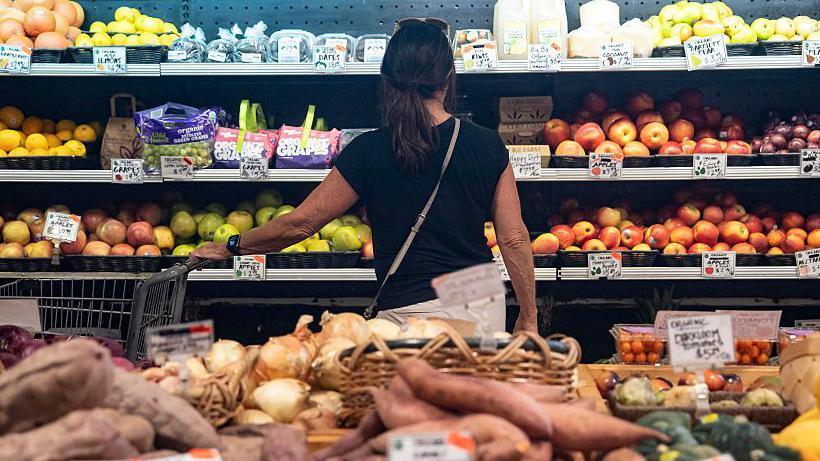
Food prices rose only slightly in July and at a slower rate than June, while overall energy costs fell, easing consumer strain.
While July’s inflation was slightly lower than June’s, the trend reflects a slower pace of price growth, not a general decline in prices.
Prices excluding food and energy rose 0.2% after remaining flat in June, with medical care and airline tickets on the rise and car insurance continuing to fall.
The new Fed chair, Kevin Warsh, stresses the central bank’s priority to keep inflation moving down while avoiding unnecessary economic shocks. He has warned that the Fed cannot use a “magic wand” to reverse years of above‑target inflation and must remain patient as price growth cools gradually.
One of the Fed’s key mandates is to maintain inflation near 2%, a level that sustains price stability, supports steady economic growth, and helps prevent deeper downturns.
President Donald Trump has also highlighted that inflation remains too high for many families, citing rent and grocery bills as major cost‑of‑living concerns.
Financial markets reacted calmly to the latest figures, with stocks largely unchanged as the data aligned with market expectations.
Recent labor market reports showing job losses have also softened expectations for a rate increase.