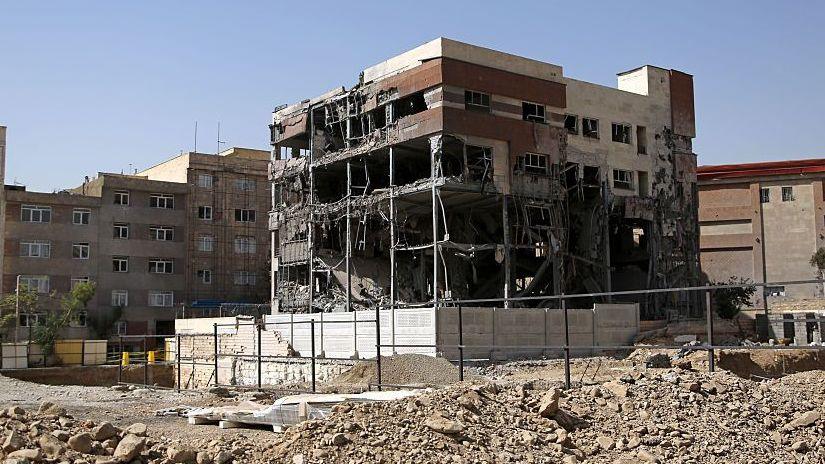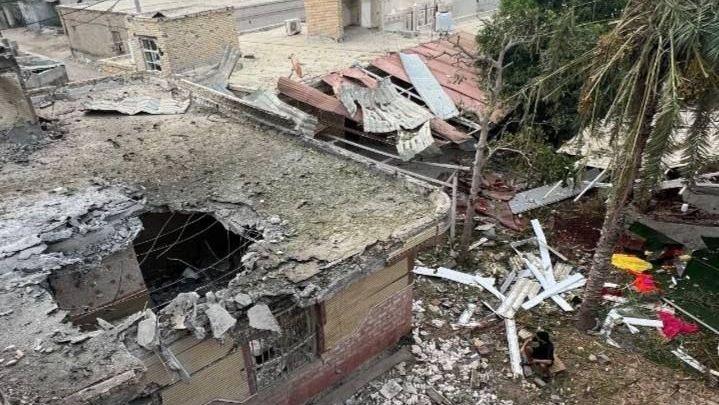
Iran’s top negotiator has warned of a faster, heavier, and more painful response to U.S. attacks, as hostilities between the two nations intensify. Parliamentary speaker Mohammad Bagher Ghalibaf said on Sunday that Americans must understand that the "rules of the game have changed" before it is too late.
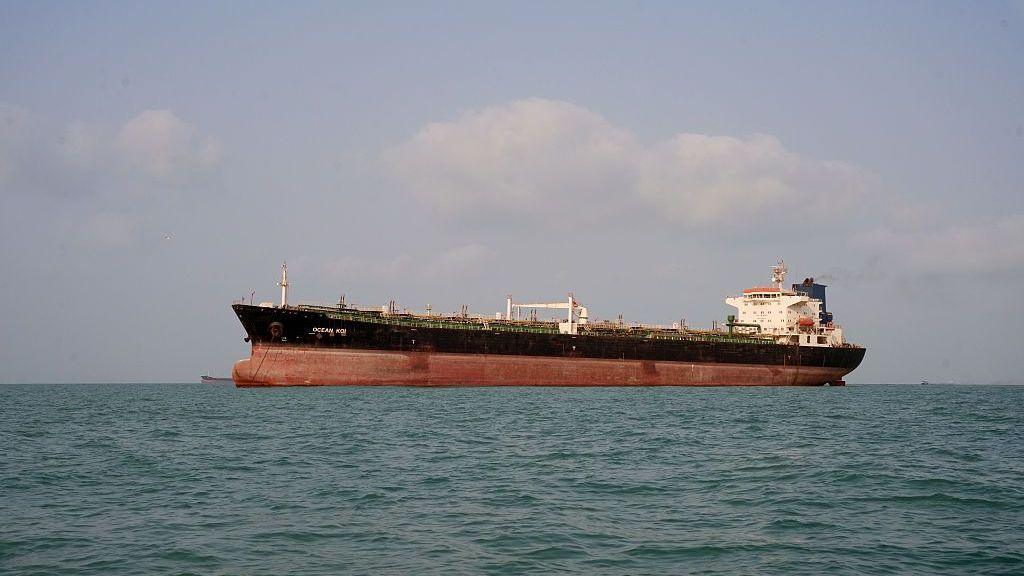
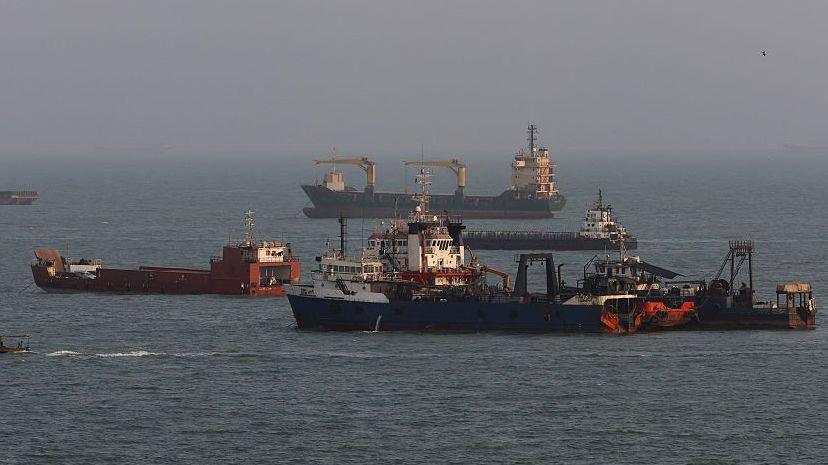
These comments arrive nearly a week into renewed conflict and a day after Washington publicly struck Iranian-linked oil tankers in retaliation for Tehran’s assault on U.S. warships in the Gulf. The U.S. Central Command has yet to address these claims, with its spokesperson dismissing them as a “total lie”.
The U.S. Defense Secretary, Pete Hegseth, has already warned that Iranian attacks on U.S. vessels would be met by decisive strikes on their oil tankers, emphasizing the high stakes over the region’s critical shipping lanes. An earlier 60‑day ceasefire expired last month, signaling a retreat from any temporary calm and opening the door to further military exchanges.
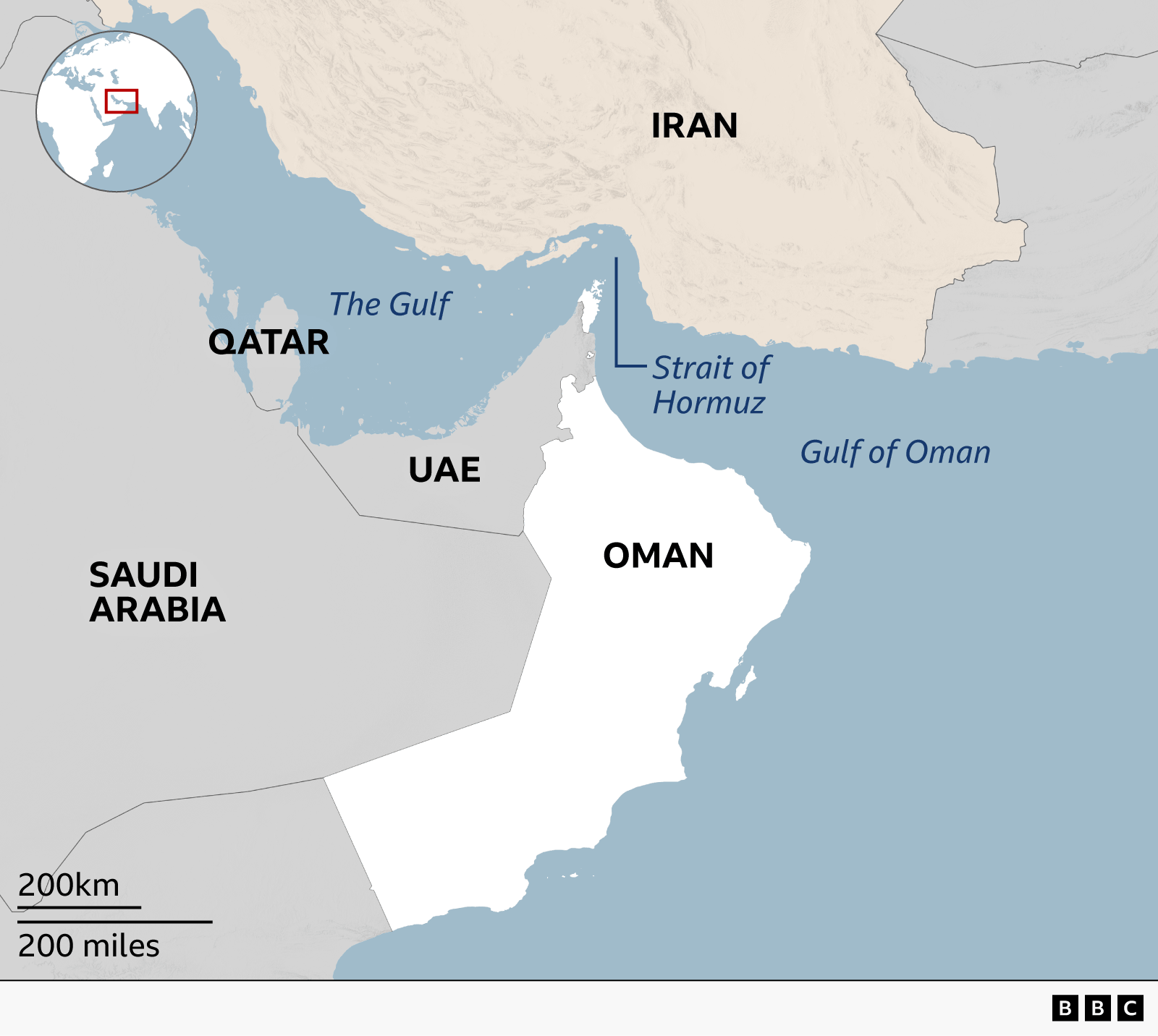
The Strait of Hormuz is a pivotal chokepoint, handling roughly nine million barrels of oil daily. While Tehran asserts control over the waterway, the United States insists it remains open, offering guidance to navigation via southern routes. The prolonged conflict has pushed up global oil and gas prices, with U.S. diesel rising to almost $6 a gallon, a sharp increase from the $3.71 average a year earlier.
In a recent interview, Energy Secretary Chris Wright highlighted that while the strait remains partially closed, most of the pre‑conflict flow continues through alternative pipelines, hinting that market pressures may ease as summer demand wanes.
The escalating steel‑clad confrontation, coupled with the absence of a robust diplomatic resolution, heightens concerns for global energy security and the strategic balance across the Middle East.