US Deports Eight African Migrants to Uganda Amid Controversies
The United States has recently deported eight individuals of African origin to Uganda, marking the first transfer under a migration agreement established last year. This operation has prompted intense scrutiny and condemnation from human rights advocates and legal representatives who characterize the deportation as a violation of ethical standards.
The group arrived in Uganda on Wednesday after their deportation was sanctioned by a U.S. judicial decision. According to Uganda's foreign ministry, the deportation falls under a bilateral agreement that designates Uganda as a 'safe third country' for migrants unable to return to their countries due to risks such as persecution.
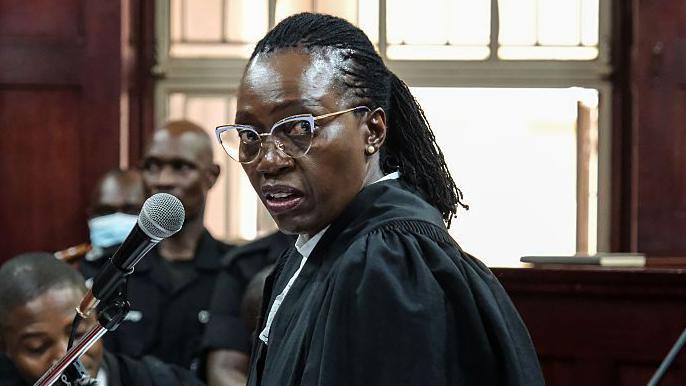
In response to this event, the Uganda Law Society expressed strong disapproval, labeling the treatment of the deportees as “undignified, harrowing,” and wholly dehumanizing. The organization states that it plans to challenge the legality of this process in court.
Furthermore, the U.S. Department of Homeland Security has been approached for commentary on this diplomatic arrangement. Notably, President Trump's administration has aggressively pursued migrant deportations to third-party nations, reinforcing a stringent immigration stance that has become a hallmark of his presidency.
While Uganda's foreign ministry noted the privacy issues concerning deportee information, it acknowledged that the individuals in question are neither U.S. nor Ugandan citizens but rather migrants from African nations who may fear returning to their home countries.
This controversial deportation policy has faced harsh criticisms, with many observers questioning its legality and implications for the human rights of the individuals involved. Human rights campaigners have highlighted the broader concerns about the U.S. administration's policy direction, especially regarding the treatment of vulnerable migrant populations.