In brief
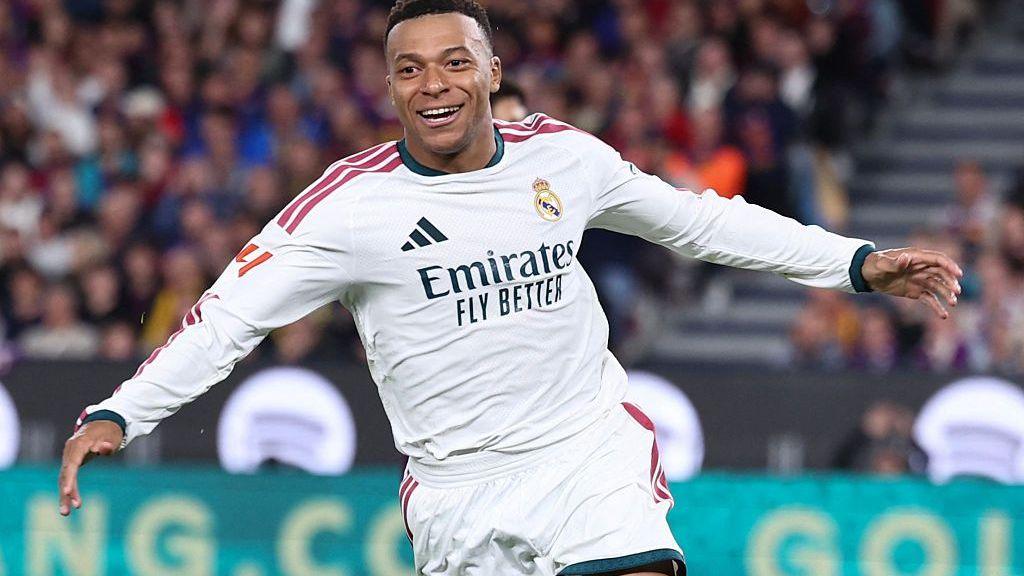
Kylian Mbappé has publicly apologized for a meme involving Mao Zedong that caused a backlash across Chinese social media and led to the termination of several endorsement deals. The joke, played for laughs on a French talk show, labeled him a “dictator” and sparked outrage in China, where references to Mao are highly sensitive. Chinese fans, brands and state media reacted strongly, with major companies such as Mengniu and Dongpeng ending their partnerships with the player and CCTV removing his name from coverage. The incident highlights the heightened scrutiny global athletes face when dealing with culturally sensitive topics and the potential commercial fallout from a single gaffe. It also underscores the profound influence of China as a key market for international sports stars and the necessity of cultural sensitivity in their public statements.
Popular French striker Kylian Mbappé has released an “ill‑judged” apology after a meme involving a caricature of Chinese communist leader Mao Zedong triggered a massive backlash across Chinese social media.
In an interview on the French talk‑show “The Bridge,” Mbappé recalled the meme as “the most funny,” describing the clip that merged his face with an image resembling Mao. The joke – part of a recurring gag that labels him a “dictator” because of his on‑pitch dominance – was played for laughs with his friends.
The comments immediately prompted Chinese fans to condemn him for profiting from the market while insulting the nation’s founding figure. Within hours, major Chinese brands such as dairy giant Mengniu and beverage group Dongpeng announced a zero‑tolerance stance and terminated all partnership agreements with the player.
State‑run media followed suit, with CCTV’s apps removing his name from football coverage and the Foreign Ministry’s spokesperson warning that “words that hurt the feelings of the Chinese people will meet opposition from all sectors.”
Mao Zedong’s place in Chinese history brings particular sensitivity to any reference. The Great Leap Forward and the Cultural Revolution left millions dead, and the Communist Party continues to portray him as an unblemished founder of the People’s Republic.
The incident underscores how athletes’ off‑field remarks can ripple through global markets. With China representing a huge share of endorsement revenue, a single gaffe can lead to swift commercial fallout and impact a player’s brand portfolio worldwide.