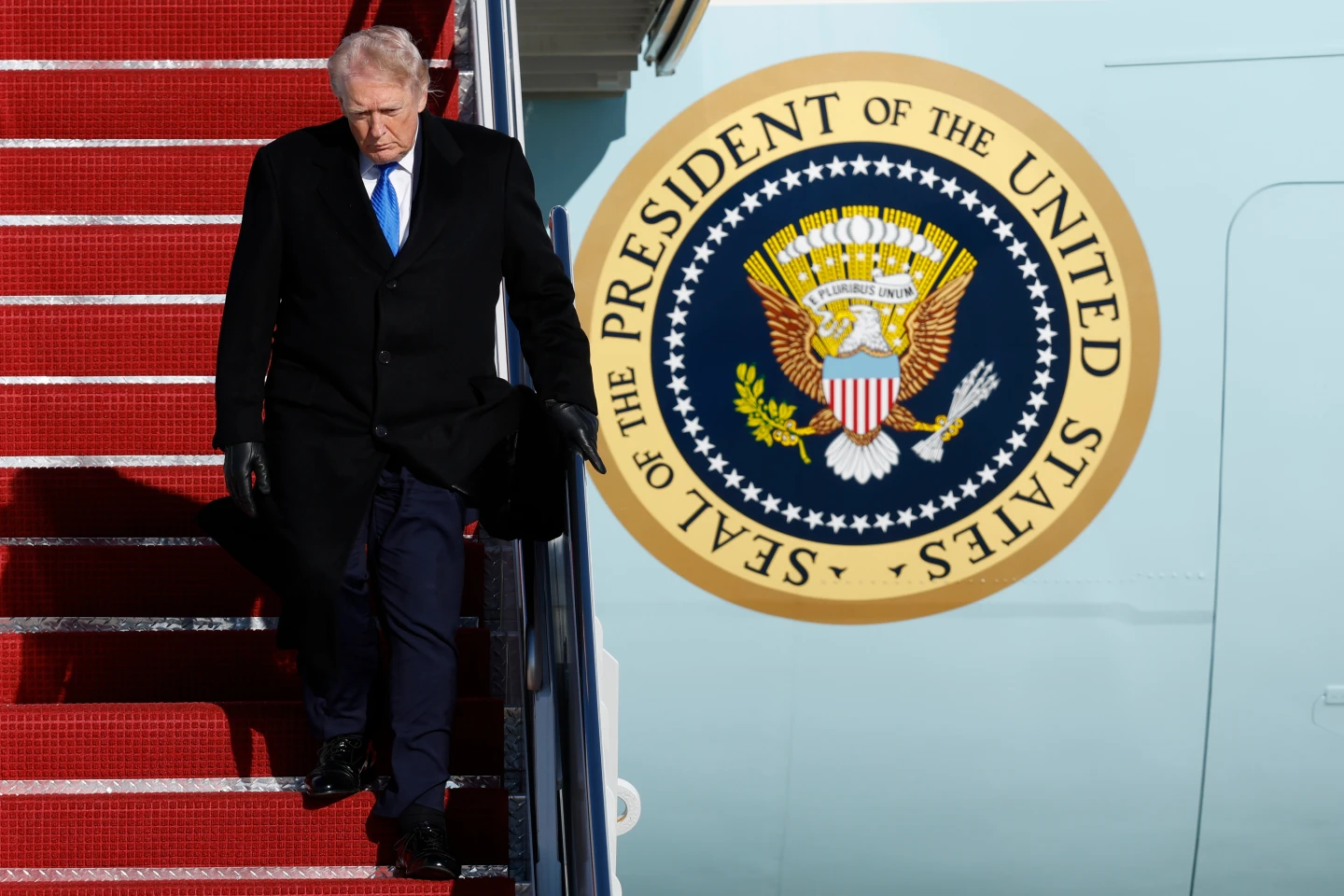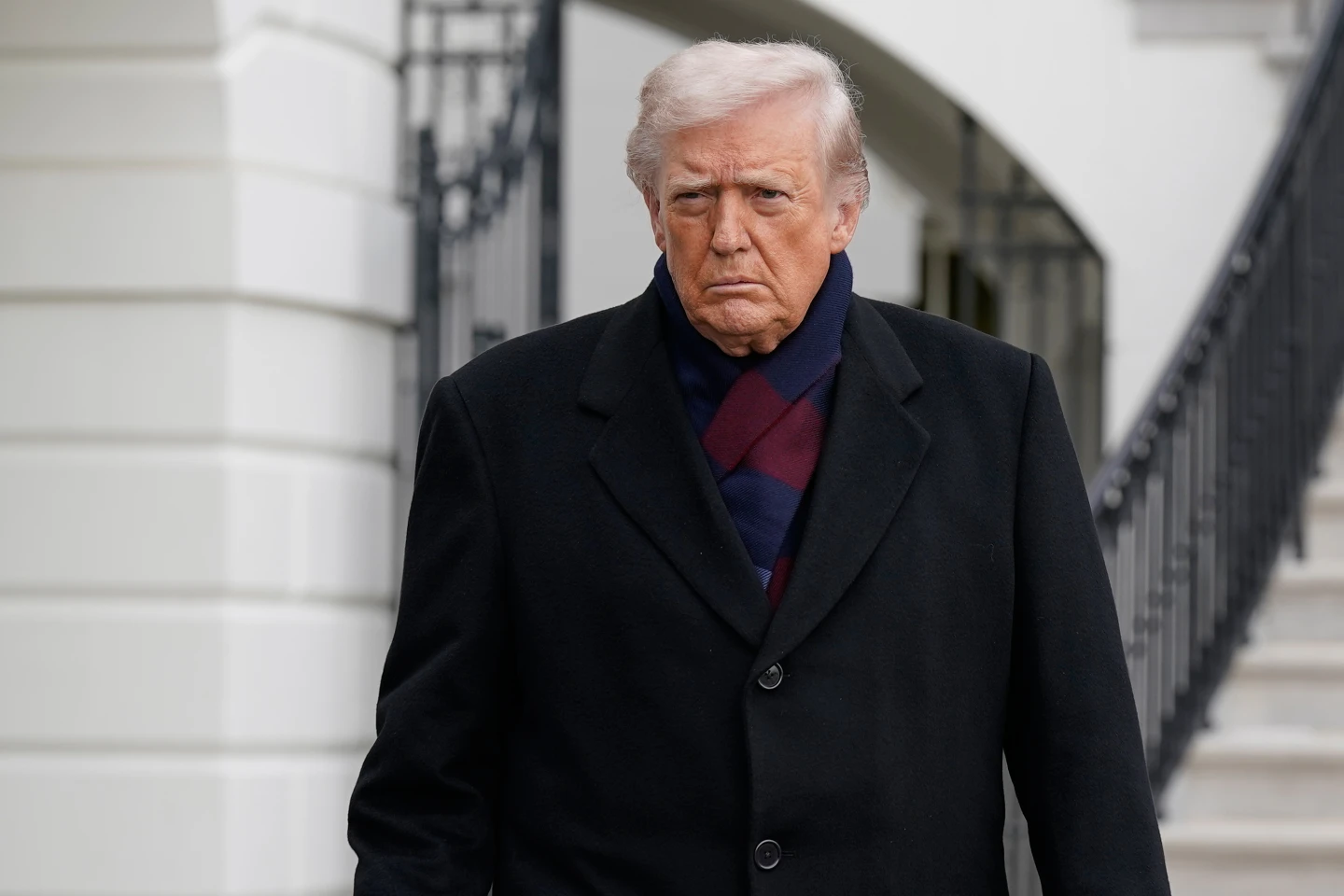
President Donald Trump faced backlash for his controversial remarks following the tragic deaths of actor-director Rob Reiner and his wife. In a shocking post on his social media platform, Trump appeared to blame Reiner's murder on his vocal opposition to the president, a statement many found deeply inappropriate given the ongoing investigation.
Rob Reiner and his wife were reportedly discovered dead in their Los Angeles home, with investigators indicating potential foul play. As police continue their investigation, Trump's assertion that Reiner’s death was a consequence of his 'Trump Derangement Syndrome' sparked outrage among both political allies and opponents.
Critics like Kentucky Republican Rep. Thomas Massie lambasted Trump's comments as disrespectful: Regardless of how you felt about Rob Reiner, this is inappropriate and disrespectful discourse about a man who was just brutally murdered, he wrote.
Rep. Marjorie Taylor Greene also weighed in, stating the situation was a family tragedy rather than a political issue. Such remarks underscore Trump's history of leveraging political grievances even in the face of tragedy, a pattern that raises ethical and moral questions about his political discourse during sensitive times.
Rob Reiner, a prominent figure in Democratic circles and a vocal critic of Trump, had frequently expressed concerns over Trump's mental fitness for the presidency. The White House has not yet responded to the call for Trump to retract his post, highlighting the ongoing tension between political commentary and empathy in current political dynamics.
As the initial shock of these tragic events unfolds, the reactions to Trump’s comments highlight the stark divides within the political landscape, as well as the challenges facing public figures in balancing personal loss with party loyalty.