In brief
In Lancaster, Pennsylvania, two teenage boys were sentenced to probation and community service after they used artificial intelligence to create fake nude images of female classmates. The sexualized images were made by morphing photos taken from social media. The case has raised significant ethical and legal concerns about the use of AI in such harmful ways, prompting discussions on the need for stronger regulations.
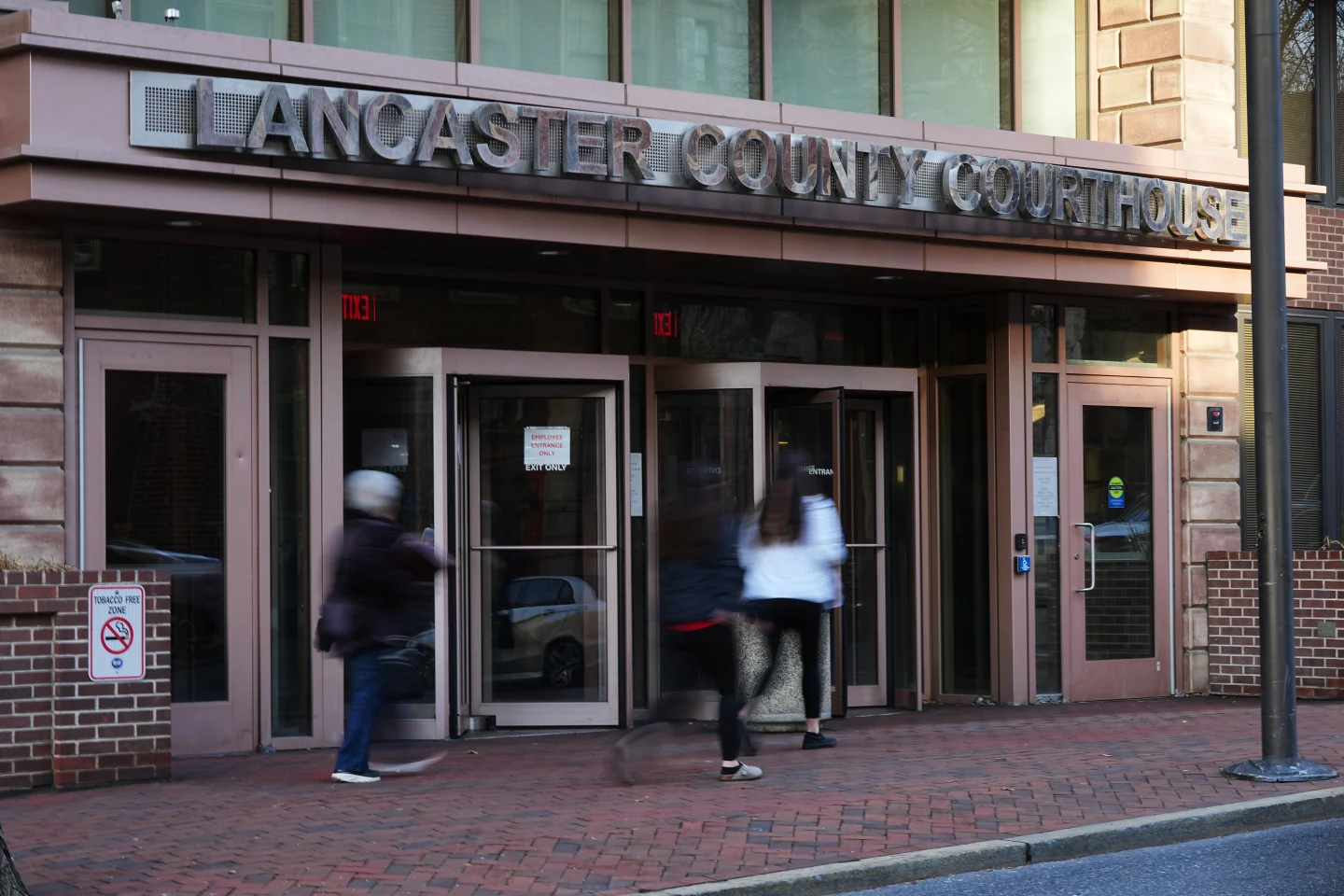
LANCASTER, Pa. (Quanta.Report) — In a troubling case that highlights the darker side of artificial intelligence and social media, two teenage boys have been sentenced to probation after creating fake nude images of their classmates using AI technology. The boys, who were just 14 years old at the time of the incidents, admitted to making 59 images that exploited the likenesses of young girls, many of whom were their fellow students at Lancaster Country Day School.The court learned that the boys transformed photos of girls from platforms like Instagram by using advanced AI tools to depict the minors in sexually explicit contexts. This disturbing tactic drew widespread concern following a report from a concerned parent who revealed that their daughter spoke out about the inappropriate actions of the boys.In a disposition hearing held in Lancaster County Common Pleas Court, the presiding judge, Leonard Brown III, expressed his dismay that the boys did not acknowledge their misdeeds or offer apologies. As part of their sentence, the youths were ordered to complete 60 hours of community service and refrain from contacting the victims, with the possibility of having their records expunged after two years if they avoid further legal troubles. The case has been described by Pennsylvania Attorney General Dave Sunday as a clear example of the 'weaponization of technology' against vulnerable individuals in the online environment. The emotional impact on the victims has been profound, with some girls experiencing significant trauma from the events.This incident comes on the heels of another controversy involving AI, wherein three teenagers in Tennessee have taken legal action against Elon Musk's xAI, claiming its tools were used to manipulate their real photos into sexualized deepfakes. These two cases illustrate a rising trend of technology being misused for exploitation, raising alarms about the legal and ethical implications related to minors and AI-generated content.As society grapples with these issues, there is a growing legislative movement aimed at regulating the use of deepfake technology. Recently, laws have been introduced across multiple states to combat the dissemination of non-consensual intimate images, with the federal government previously enacting measures to address the urgency of the situation. As these discussions continue, the hope is to create a safer digital landscape for everyone.