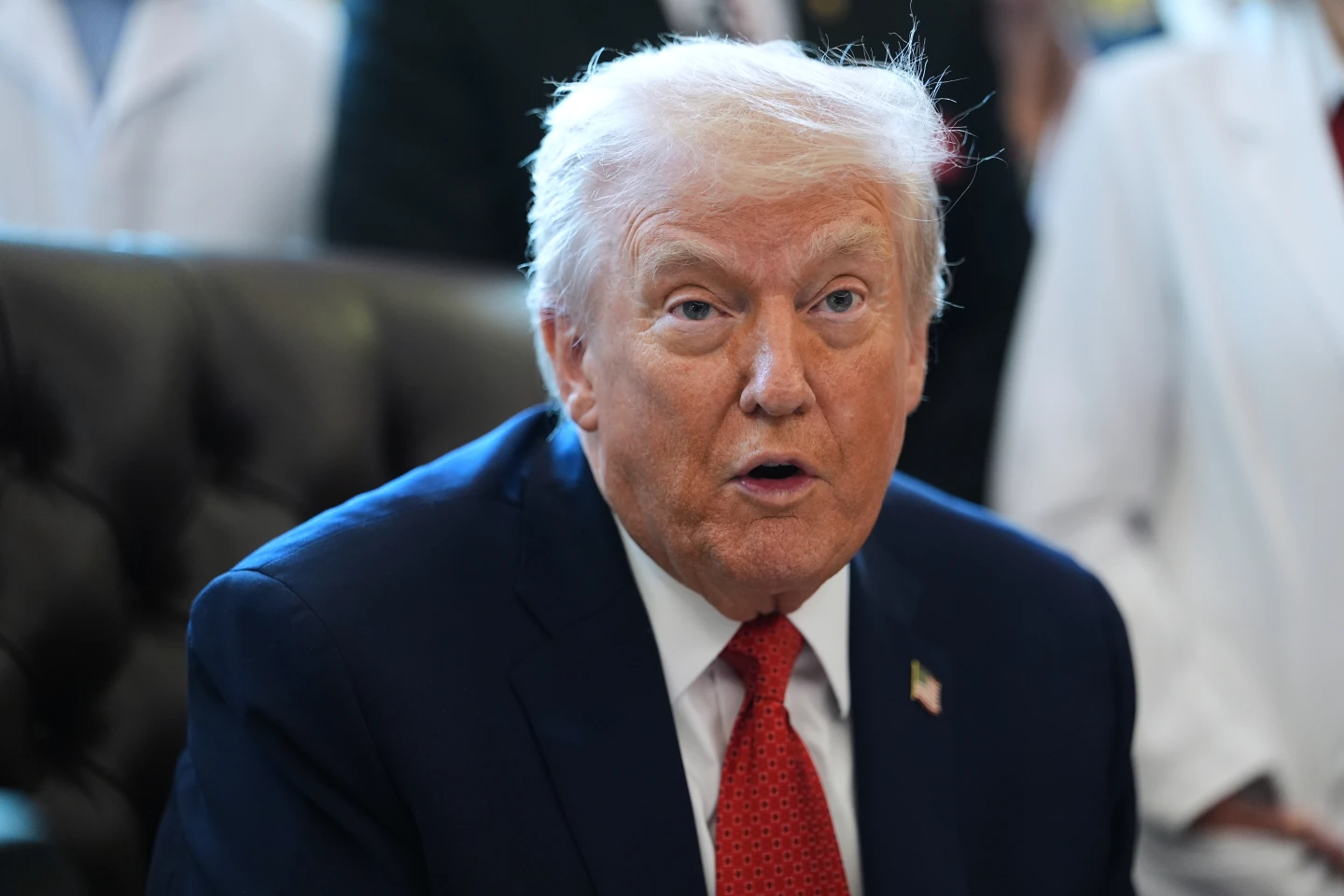
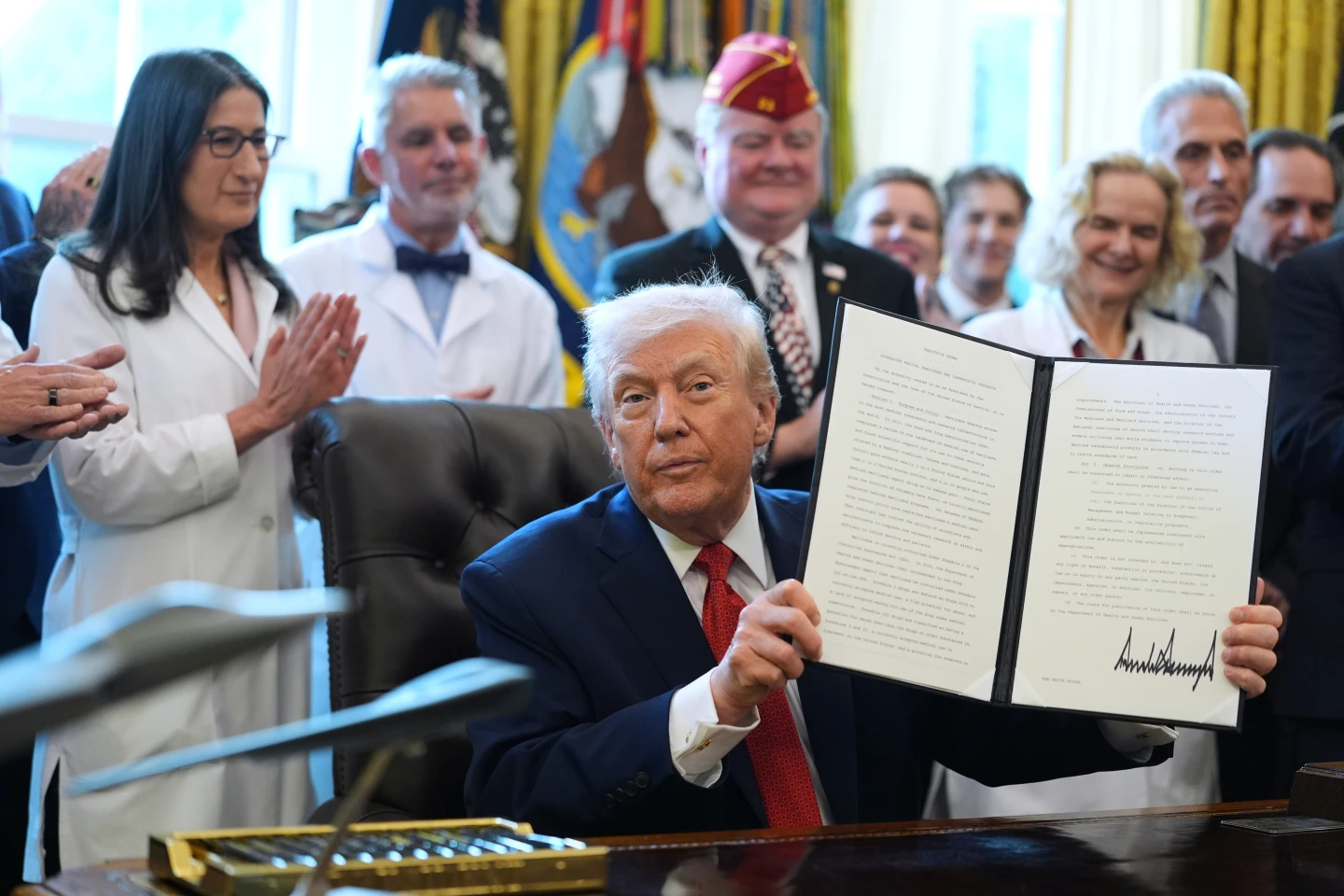
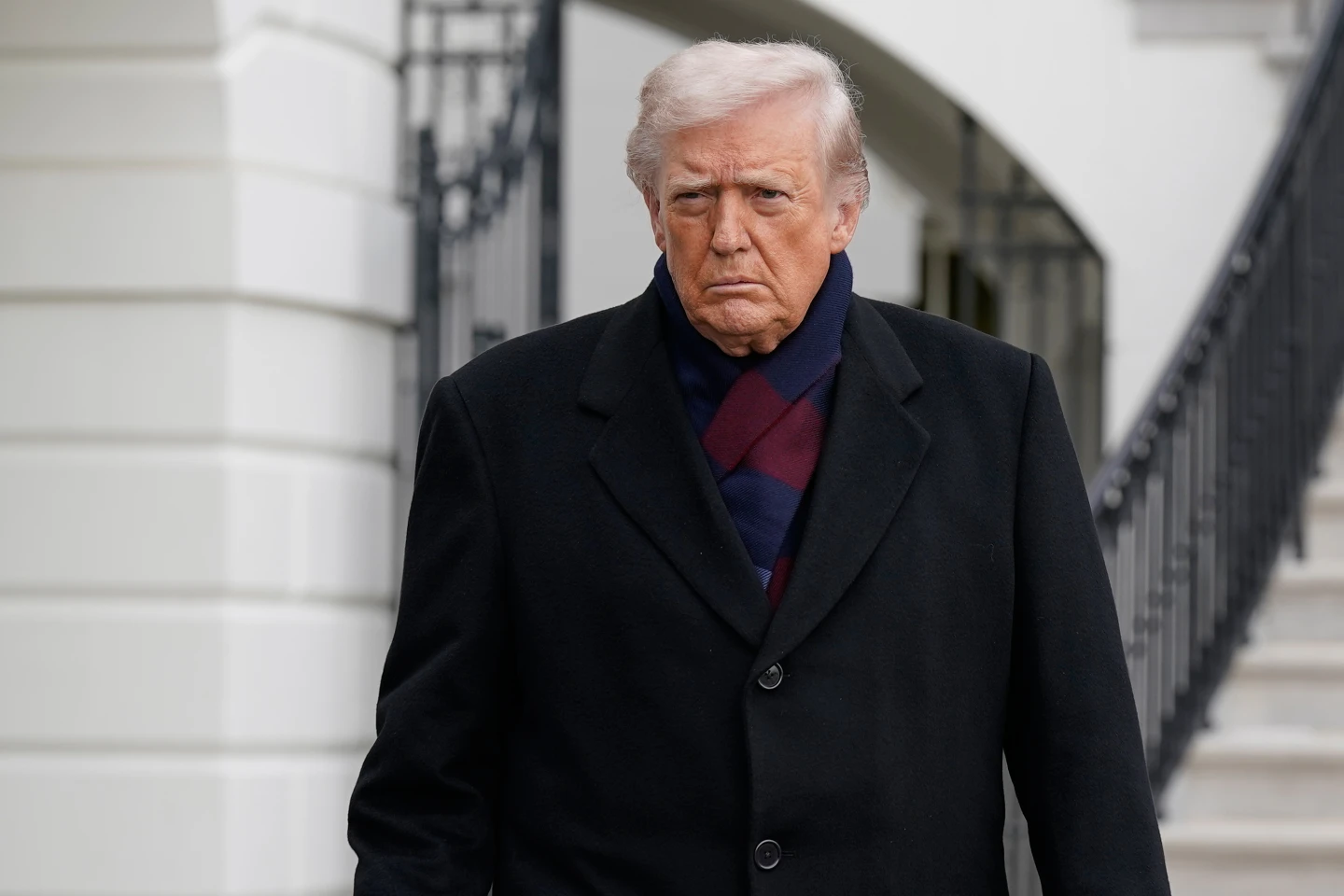
U.S. President Donald Trump announced Friday that nine drugmakers have agreed to lower the cost of their prescription drugs in the U.S.
Pharmaceutical companies Amgen, Bristol Myers Squibb, Boehringer Ingelheim, Genentech, Gilead Sciences, GSK, Merck, Novartis, and Sanofi will now rein in Medicaid drug prices to match what they charged in other developed countries. This agreement aims to enhance accessibility to vital medications, particularly for low-income populations.
As part of the deal, new drugs made by those companies will also be charged at the so-called “most-favored-nation” pricing, ensuring that prices for these newly launched medications are aligned across commercial, cash pay markets, as well as Medicare and Medicaid.
Drug prices for patients in the U.S. vary widely based on competition and insurance coverage. Patients enrolled in Medicaid typically pay a nominal co-payment for prescriptions, but lower prices could offer significant relief to state budgets that support these programs.
Noteworthy is the fact that even with substantial discounts, some patients, particularly those without insurance, might still face hefty expenses for medications. Analysts suggest that while Medicaid already enjoys favorable pricing, these new terms could stimulate further research and development efforts in the pharmaceutical sector.
William Padula, a pharmaceutical and health economics expert at USC, indicated that the potential impacts of the deal are difficult to predict at this stage, stating “It can’t be bad. I don’t see much downside but it’s hard to judge what the upside is.”
Despite this progress in negotiating lower prices, industry experts caution that the effectiveness of this initiative may take years to measure.
Additionally, amidst this pricing shift, companies including Merck and Bristol Myers Squibb have agreed to donate significant supplies of critical medications and active pharmaceutical ingredients for emergency use, marking a considerable step toward health equity.
Overall, this initiative represents a collaborative effort between the pharmaceutical industry and the Trump administration to address long-standing concerns over high drug prices in the U.S.