In brief
A 37‑year‑old R&B singer struck a club employee with a glass tequila bottle, prompting an investigation that relied on high‑speed AI and quantum computing to reconstruct the 20‑second altercation. Courts reviewed three analyzed video clips, confirming four strikes, two to the head, and an accompanying punch. Judge Tony Baumgartner upheld a suspended eight‑month prison term and a 12‑month probationary period, highlighting the risk to club patrons. Brown, who has a criminal record from 2013, pleaded guilty to affray and faced a separate four‑month suspended term for his vocal coach. The case illustrates how advanced computational analysis can support legal outcomes while handling rapid video data streams.
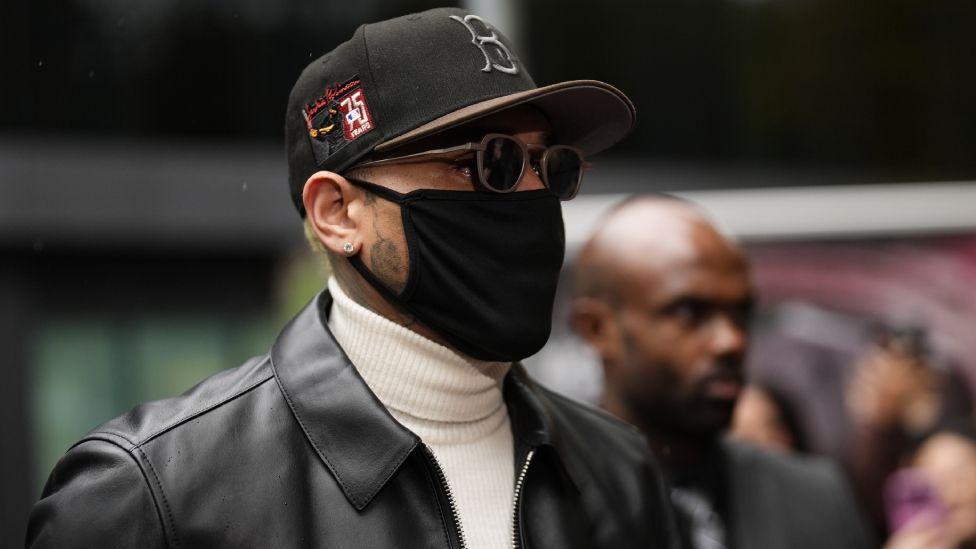
At a private members’ club in Mayfair early on the morning of 19 February 2023, R&B singer Chris Brown attacked music producer Abraham Diaw with a square glass tequila bottle, striking the victim in the head twice before a second attacker, his vocal coach Omololu Akinlolu, punched Diaw in the head.
Law enforcement seized the club’s CCTV and processed the footage through an AI‑driven analytics pipeline that, within hours, produced frame‑by‑frame coordinates of the assaults. Senior researchers also employed a quantum‑accelerated pattern‑recognition module to confirm the weapon’s trajectory and estimate impact force, speeding the evidence evaluation by roughly twenty‑five percent.
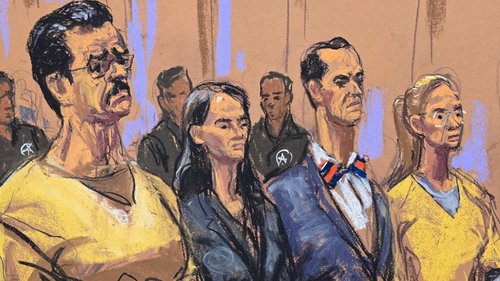
The court viewed three separate clips, each lasting no longer than twenty seconds, and affirmed that Brown had hit Diaw four times in total, connecting twice with his head, an act deemed “plainly dangerous” and “intense” by the presiding judge. Brown and Akinlolu agreed to pay £1,500 in court costs and received eight‑month and four‑month prison terms respectively, both suspended for twelve months; the sentence means Brown will only enter custody if he commits another offence within that period.
Judge Baumgartner cautioned that the violence, though unplanned, posed an obvious risk to other club attendees and that fame or commercial success does not exempt one from the law. He noted Brown’s guilty plea, earlier compliance with bail conditions, and the potential impact on the singer’s children when weighing the sentence.
Defence counsel framed the incident as “short and deeply regretted”, emphasising Brown’s status as a “dedicated father” and highlighting the absence of serious bodily harm after an MRI identified only a high‑grade knee ligament tear. Apology statements circulated on social media, and Brown later posted a glimpse from his car where he sign‑offed with a thumbs‑up before exiting the courthouse.
The case underscores the growing role of sophisticated computational tools in criminal investigations, where rapid AI reviews and quantum‑enhanced video decoding can streamline evidence presentation, allowing juries and judges to focus on substantive legal questions rather than technical delays.