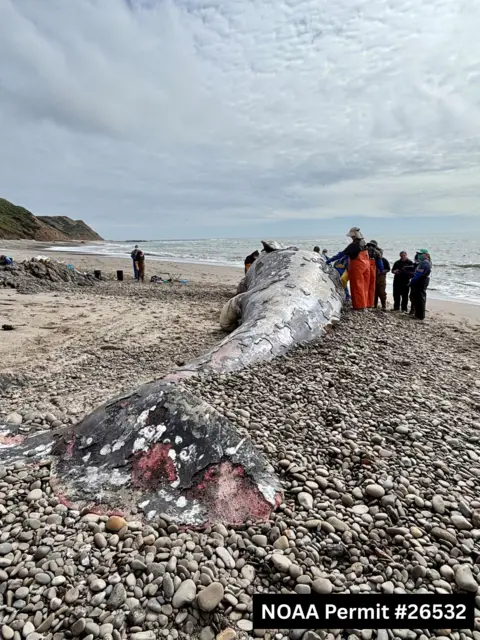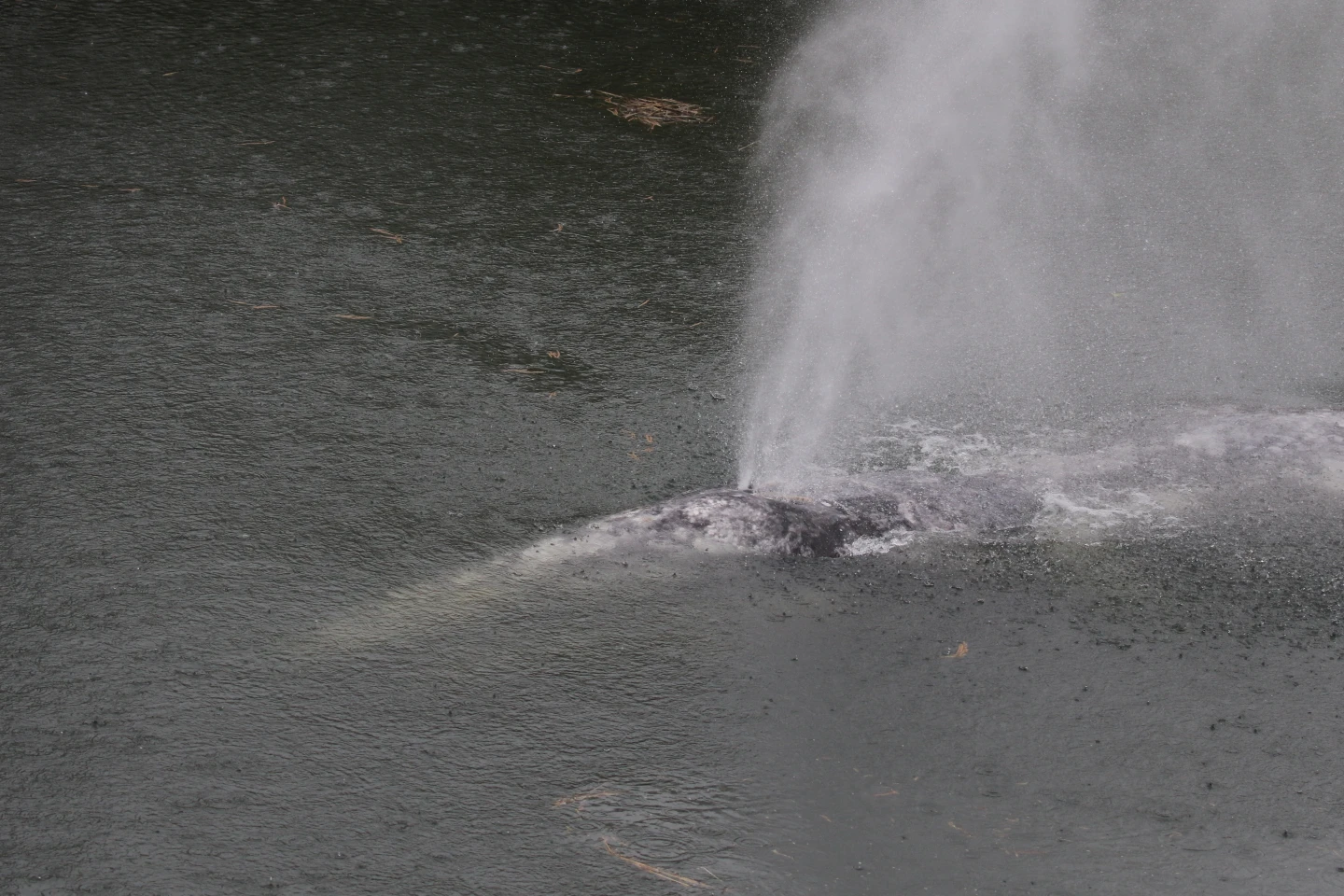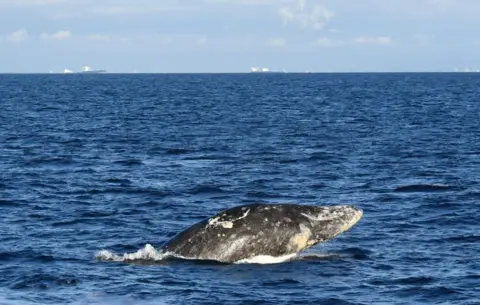
A young gray whale has been found dead after swimming 20 miles (32.2km) inland up a river in Washington state, a local scientific research group said, pointing to hunger as a possible cause. We are saddened to confirm that the whale seen in the Willapa River over the past few days is deceased, the Cascadia Research Collective said in an update on Facebook on Saturday. It added the group was evaluating the safety of the location to carry out an examination.
The juvenile whale, affectionately dubbed Willapa Willy by locals, was first spotted last Wednesday in the north fork of the river, about 145 miles southwest of Seattle, the marine mammal research group said. The whale, although thin, was behaving normally, the group said at the time, with no signs of injuries. Its teams had hoped the whale would find its own way out of the river but it failed to do so.
Gray whales undertake long springtime migrations north up the Pacific Coast to feed in the Arctic, using up their nutritional reserves along the way, said John Calambokidis, a research biologist with the Cascadia Research Collective. When that happens, you often see gray whales in a more desperate search for new areas to feed, he added. That's the most likely context for this whale.
Gray whales in the eastern part of the Pacific Ocean have faced reduced food availability in the northern Bering and Chukchi seas off Alaska's coast in recent years. Gray whales are facing a major crisis and the heart of it does seem to be feeding on their prey in the Arctic, he added.
The whale's death is part of a troubling trend; two adult gray whales were found dead in the nearby Ocean Shores area in early April, both reported as malnourished. The current count from winter 2025 indicates a decline in the species population, with NOAA Fisheries estimating only about 13,000 gray whales remain, the lowest since the 1970s. With threats including vessel strikes and entanglement in fishing gear, the future of gray whales remains uncertain as they continue to battle the challenges of their natural habitat.
The juvenile whale, affectionately dubbed Willapa Willy by locals, was first spotted last Wednesday in the north fork of the river, about 145 miles southwest of Seattle, the marine mammal research group said. The whale, although thin, was behaving normally, the group said at the time, with no signs of injuries. Its teams had hoped the whale would find its own way out of the river but it failed to do so.
Gray whales undertake long springtime migrations north up the Pacific Coast to feed in the Arctic, using up their nutritional reserves along the way, said John Calambokidis, a research biologist with the Cascadia Research Collective. When that happens, you often see gray whales in a more desperate search for new areas to feed, he added. That's the most likely context for this whale.
Gray whales in the eastern part of the Pacific Ocean have faced reduced food availability in the northern Bering and Chukchi seas off Alaska's coast in recent years. Gray whales are facing a major crisis and the heart of it does seem to be feeding on their prey in the Arctic, he added.
The whale's death is part of a troubling trend; two adult gray whales were found dead in the nearby Ocean Shores area in early April, both reported as malnourished. The current count from winter 2025 indicates a decline in the species population, with NOAA Fisheries estimating only about 13,000 gray whales remain, the lowest since the 1970s. With threats including vessel strikes and entanglement in fishing gear, the future of gray whales remains uncertain as they continue to battle the challenges of their natural habitat.