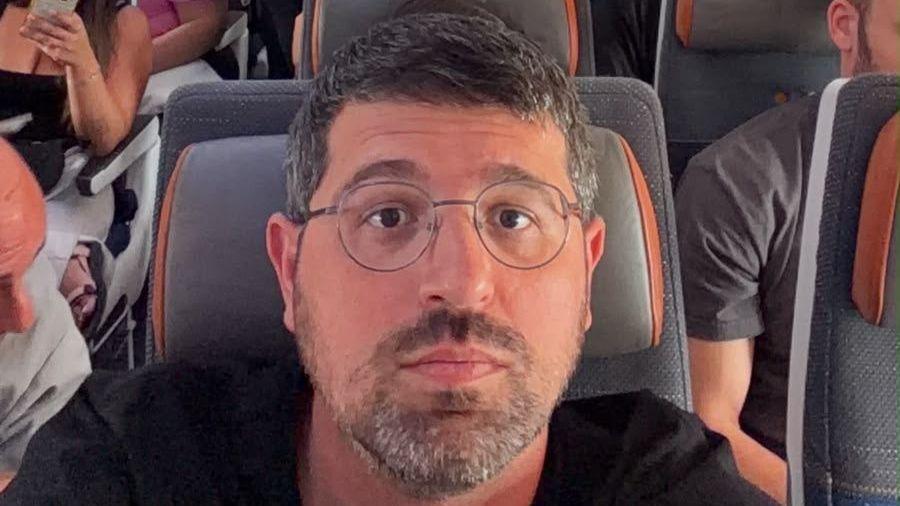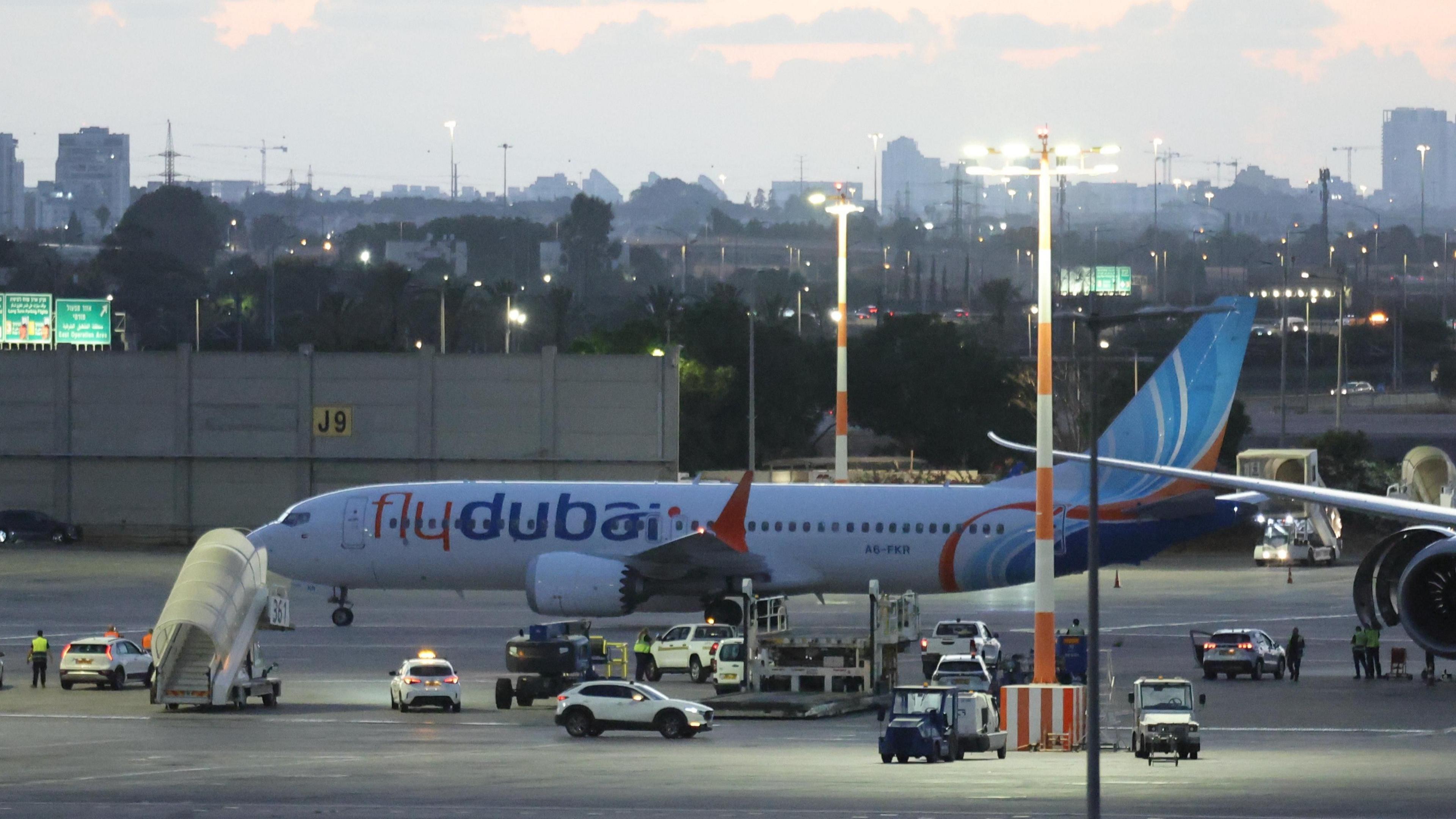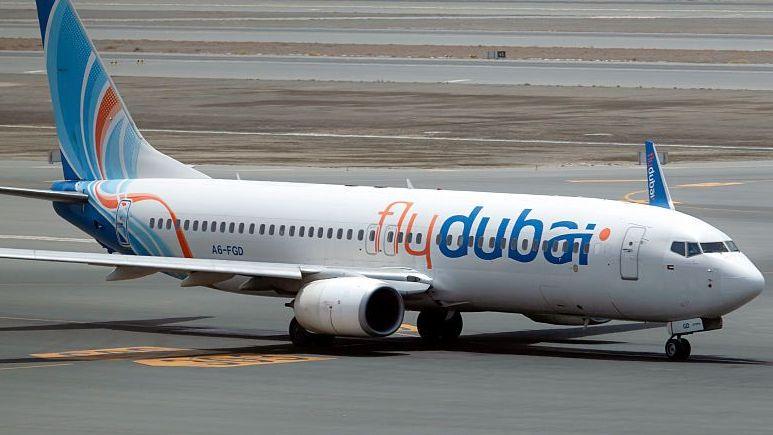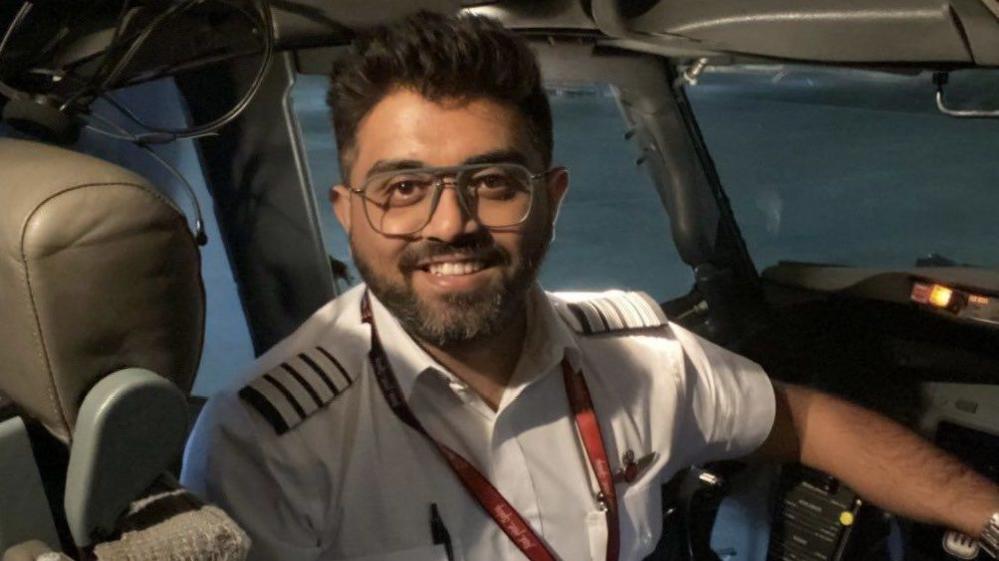
In a harrowing incident on a Flydubai flight bound for Tel Aviv, a co‑pilot was attacked and stabbed by a fellow crew member, leaving the plane with more than 170 passengers in peril. Captain Smit Machchhar, already injured, resolved to act, shouting to open the cockpit door even as he struggled. This action allowed passengers and crew to evacuate the cockpit and secure a safe landing at Tabuk Airport in north‑western Saudi Arabia.
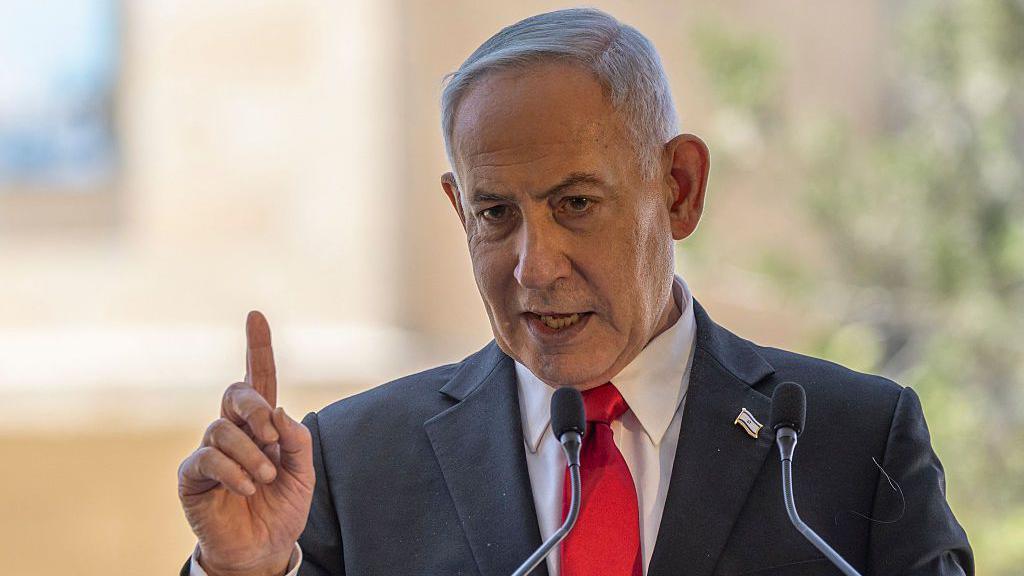
The incident began after the aircraft reported an emergency and switched to the hijack‑squawk 7500. Israeli Prime Minister Benjamin Netanyahu described the assailant as an Omani national who had allegedly undergone “Islamist radical indoctrination.” Aviation authorities in the UAE are investigating whether the event was linked to terrorism.
Machchhar, who has flown for 17 years, was praised by both the Indian government and the Pakistani embassy for his professionalism and courage. The Indian president and Prime Minister Narendra Modi congratulated him, highlighting his decision‑making as lifesaving. Family and allies have described his recovery as a testament to his resilience and determination.
High‑speed data feeds and quantum‑accelerated analytics have been used by security analysts to reconstruct the sequence of events, enabling rapid threat detection and incident response. This technology helped identify the precise timing of the attack, contributing to the swift diversion and evacuation. The incident underscores the need for robust onboard safety protocols and advanced data‑driven monitoring systems in commercial aviation.