In brief
NASA is set to launch Artemis II, marking a significant step towards returning humans to the Moon and eventually Mars. This mission is not just a repeat of the Apollo era; it represents strategic interests in lunar resources and a competitive race for space exploration leadership. The article discusses vital resources on the Moon, the implications of international competition, and how these missions aim to inspire a new generation in STEM fields.
In just a few days, NASA is planning to launch the Artemis II mission, sending four astronauts on their way to the Moon. This voyage around our nearest neighbor will pave the way for a lunar landing and, eventually, a Moon base. NASA's Artemis program, estimated to have cost $93 billion to date, involves years of work and thousands of people.
While some observers feel a sense of déjà vu, recalling the six Apollo missions that landed on the Moon over 50 years ago, the current efforts hold new significance. Key to the Artemis missions is the exploration of lunar resources, which serves not only scientific purposes but also geopolitical aspirations amidst a competition with nations like China, which aims to land humans on the Moon by 2030.
Valuable Resources
The Moon is not merely a dusty, barren landscape; it is rich in elements that are scarce on Earth, including rare earth elements, metals like iron and titanium, and even water. The Moon has got the same elements in it that we have here on Earth, says Prof. Sara Russell, a planetary scientist. Access to water is of particular importance, providing essential life support for future lunar inhabitants and potentially serving as fuel for space missions.
Race for Space Dominance
The Apollo missions were largely about demonstrating technological supremacy over the Soviet Union, while today’s efforts reflect a new rivalry—this time with China. Both the U.S. and China seek to secure areas on the Moon rich in resources, making lunar real estate a hot commodity.
The 1967 Outer Space Treaty indicates no country can own the Moon, but nations can operate on it, thus planting flags and staking claims for future use.
Paving the Way to Mars
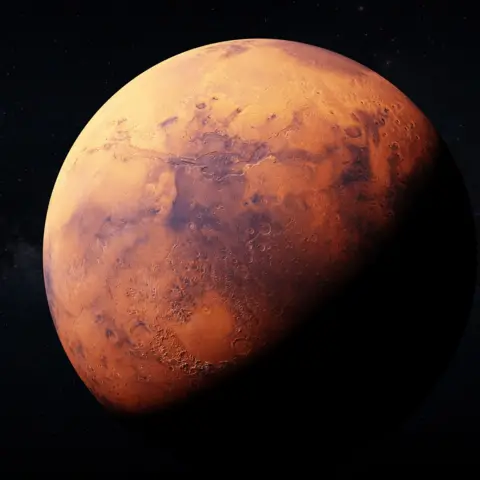
NASA’s plans extend beyond the Moon; it aims to send humans to Mars by the 2030s. The Moon serves as a testing ground for the technologies necessary for sustained human life on Mars, an ambitious goal given the myriad challenges that lie ahead.
Libby Jackson, head of space at the Science Museum, states that establishing a Moon base will allow NASA to pilot air, water, and habitat technologies essential for Martian exploration.
Mysteries Yet to be Unlocked
Scientists eagerly await new lunar samples to unlock secrets about the Moon's formation and, by extension, Earth's history. The Moon is considered a time capsule, preserving a record of 4.5 billion years of planetary evolution.
Inspiring a New Generation
NASA hopes that the Artemis missions, streamed live in ultra-high definition, will inspire young people to pursue careers in science and technology, crucial for a world increasingly interconnected through technological advancement.
With the Artemis missions, NASA aims to not just explore the Moon and Mars but also unite global efforts in science for the benefit of all humankind. If we really come together, we can produce so much that's beneficial to humankind, asserts Dr. Helen Sharman, the UK's first astronaut.
As this new chapter in space exploration unfolds, the possibilities for advances in technology and understanding of our universe expand exponentially.