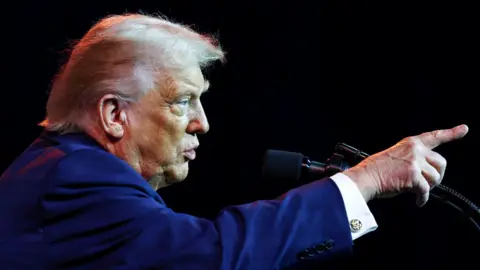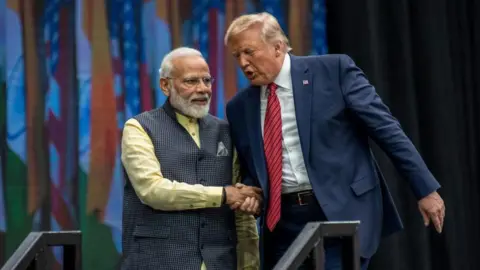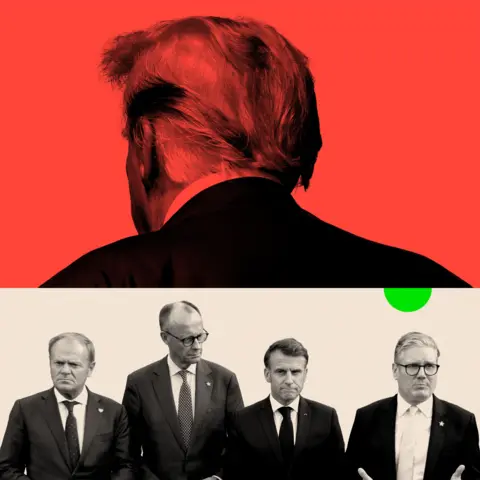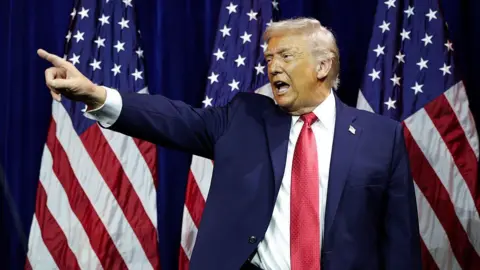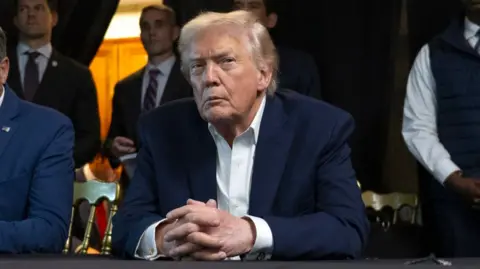
President Trump's favourite word is tariffs. He reminded the world of that in his pre-Christmas address to the nation. With the world still unwrapping the tariffs gift from the first year of his second term in office, he claimed they were bringing jobs, higher wages and economic growth to the US. However, while this assertion is hotly contested, the undeniable fact remains that these tariffs have significantly refashioned the global economy—and will continue to do so into 2026.
The International Monetary Fund (IMF) recently indicated that the anticipated tariff shock is less severe than originally expected, yet it still brings down their growth forecast for the global economy to 3.1% in 2026, a decline from previous predictions.
Kristalina Georgieva, head of the IMF, expressed concerns over the sustained low growth levels, mentioning it is insufficient to meet global aspirations for a better quality of life. Compounded by various geopolitical factors, some forecasts paint an even bleaker outlook.
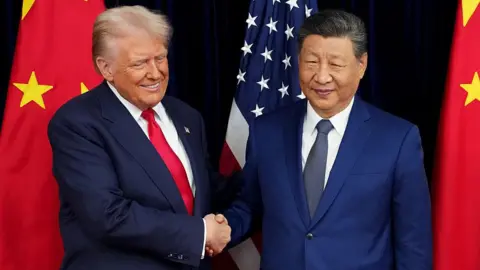
Despite the ongoing tariff challenges, some considerations suggest that the impact could have been much worse if not for limited retaliations from other countries. However, relations between the world's economic giants, particularly the U.S. and China, linger in a precarious state.
Tariffs have escalated production costs and added unpredictability to business planning, impairing long-term investment decisions. Although many businesses have employed tactical maneuvers to circumvent some tariffs, the implications for global trade remain substantial, with the UN forecasting a rise in global trade despite these challenges.
As the U.S. grapples with its trade policies, balancing between interests and maintaining competitiveness in the global market will drive crucial dialogues. With key negotiations looming in 2026, the stakes have never been higher for all parties concerned.