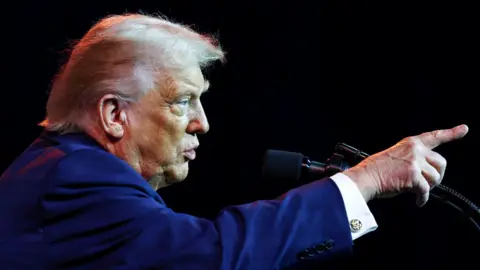
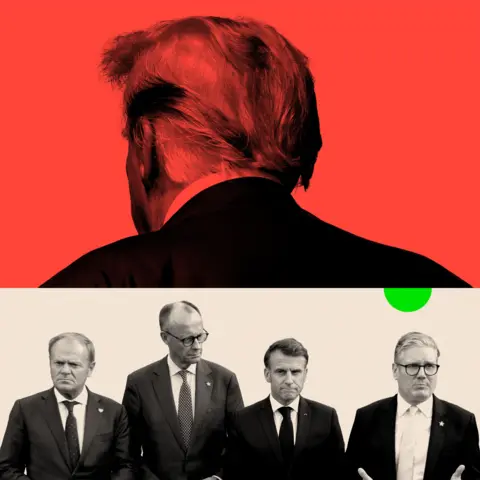
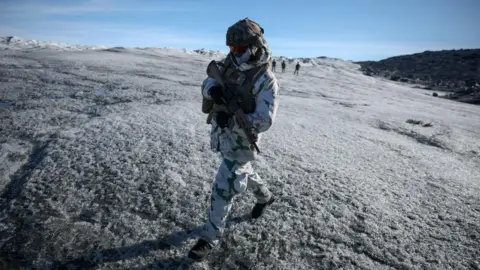
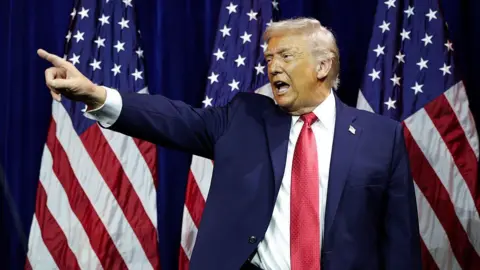
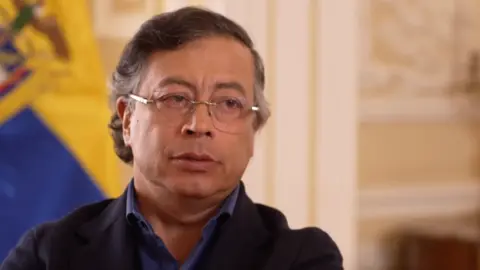
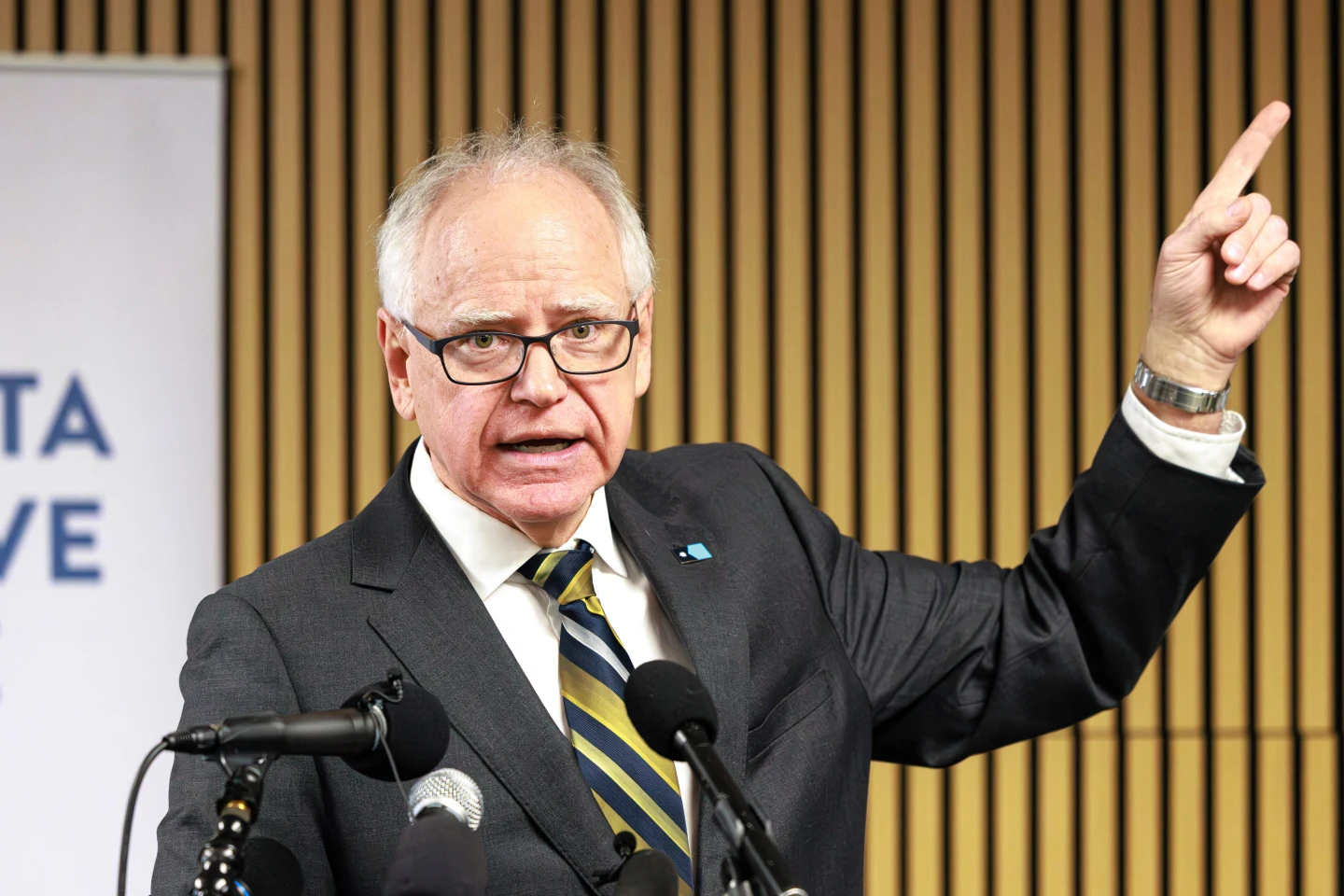
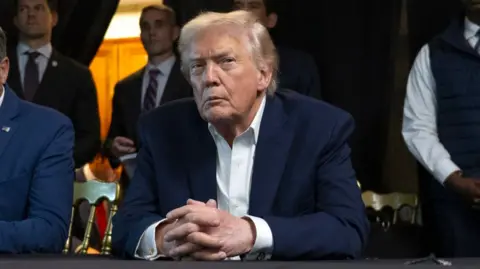
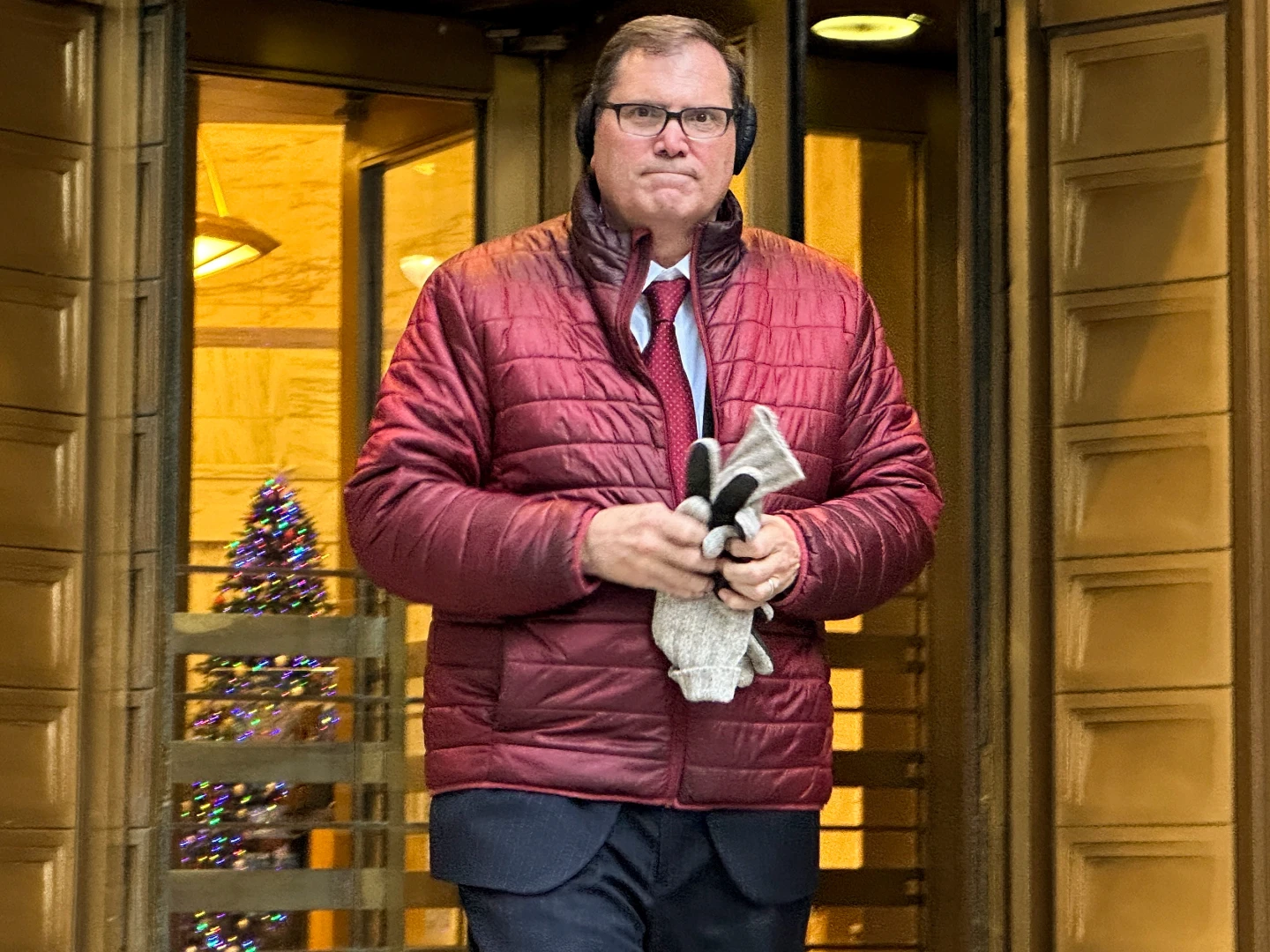
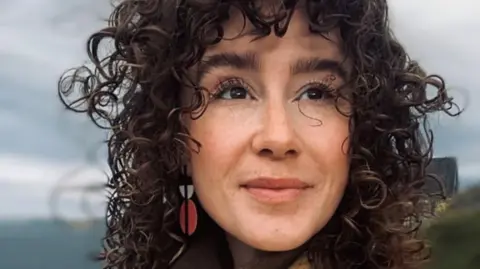
The people of Greenland do not want to become American, Mia Chemnitz tells the BBC. We are not for sale. The 32-year-old business owner in the Greenlandic capital Nuuk reflects the sentiments of many who spoke to the BBC about how they felt about recent rhetoric from the Trump administration. The White House has said it was actively discussing an offer to buy the territory that has for centuries belonged to Denmark. US President Donald Trump and his officials had earlier intimated a willingness to take it by force if necessary. This has been met with nervousness and opprobrium among Greenlanders - both on the world's largest island and elsewhere. This nervousness has only grown since the US took Venezuela's President Nicolás Maduro from his residence in Caracas to New York on drug-trafficking and narco-terrorism charges in an unprecedented military move. Almost immediately after, the wife of a senior White House staffer indicated that Greenland was next. That's when it stopped feeling abstract, says Tupaarnaq Kopeck, 40, who moved to Canada - another place Trump has threatened to annex - for family and work. For the first time, I contacted my sister in Greenland and told her that if the unthinkable ever became reality, they would have a place to stay with us. Aaja Chemnitz, one of two MPs in the Danish parliament representing Greenland, expresses her dismay: It's completely disrespectful from the US side to not rule out annexing our country and to annex another NATO ally. Greenland is the world's most sparsely populated territory. With much of the Arctic island covered by ice, most of the population lives in Nuuk and the surrounding south-western coastline. The island is strategically significant to the US, which has maintained a military presence there since World War Two, playing a critical role in early warning systems against missile attacks. Increased interest in Greenland's natural resources, particularly rare earth minerals, is rising as climate change accelerates ice melt. It's not fun being 56,000 people and having these threats from a giant like the US, comments Masaana Egede, editor of Greenlandic newspaper Sermitsiaq. Polls indicate that while many Greenlanders favor independence from Denmark, they vehemently oppose being claimed by the US. Aleqatsiaq Peary, a 42-year-old Inuit hunter, adds, It would be switching from one master to another, from one occupier to another. Yet, he notes that immediate needs for the local population overshadow these political concerns. As voices rise against the U.S. acquisition talks, Greenlanders assert their autonomy and commitment to their future.
Greenlanders Stand Firm Against U.S. Acquisition Talks
Greenlanders Stand Firm Against U.S. Acquisition Talks
The people of Greenland express their determination to remain independent amidst controversial discussions from the Trump administration about acquiring the territory from Denmark.
Greenlanders are rallying against the prospect of a U.S. acquisition of their territory, as sentiments of indignation and fear grow amidst comments from the Trump administration. Business owners and politicians alike declare, 'We are not for sale,' emphasizing their desire for autonomy and sovereignty. With increased military presence and interest in natural resources due to climate change, the island's people question their worth to international allies while asserting their rights as a self-governing democracy.