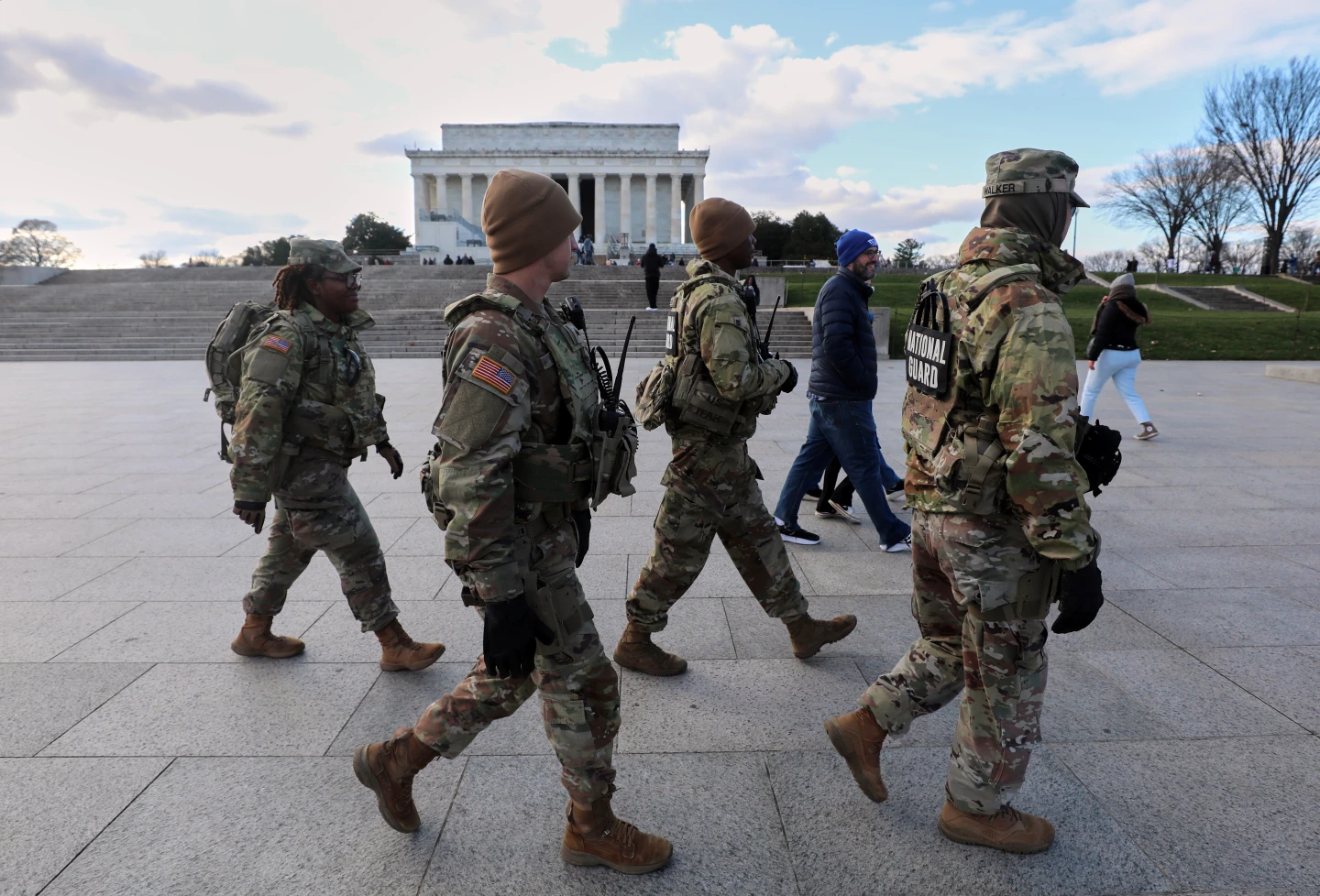
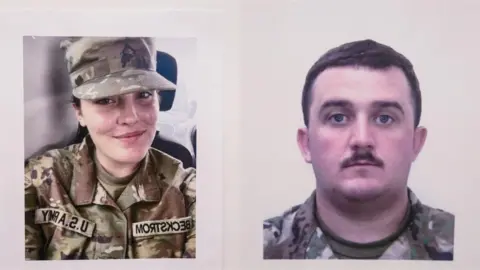
JALALABAD, Afghanistan — Following the recent shooting of two U.S. National Guard members, which left one dead and another critically injured, the Taliban government in Afghanistan has issued statements aimed at contextualizing the incident. Afghan Foreign Minister Amir Khan Muttaqi stated that the actions of the accused should not reflect on the general populace of Afghanistan.
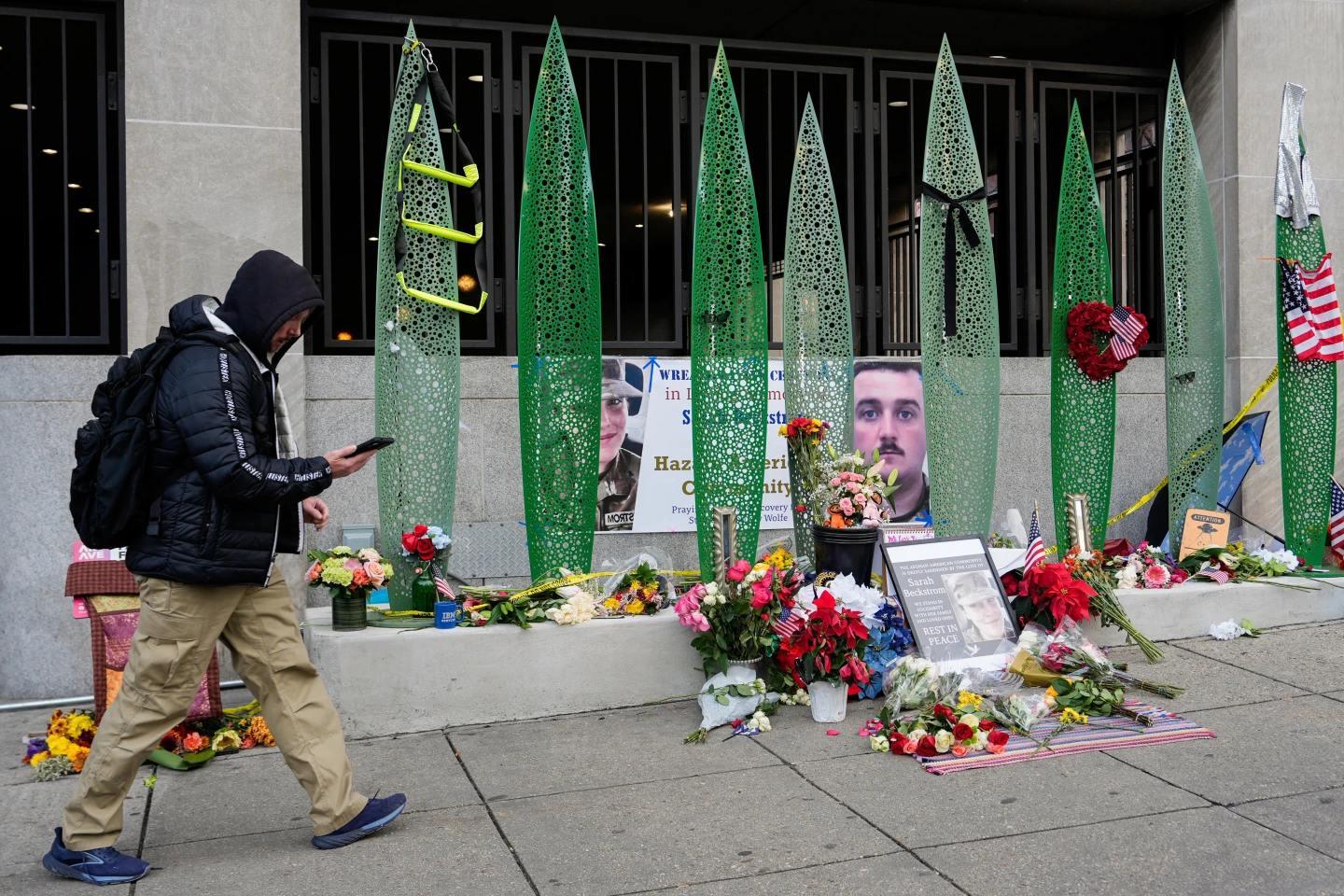
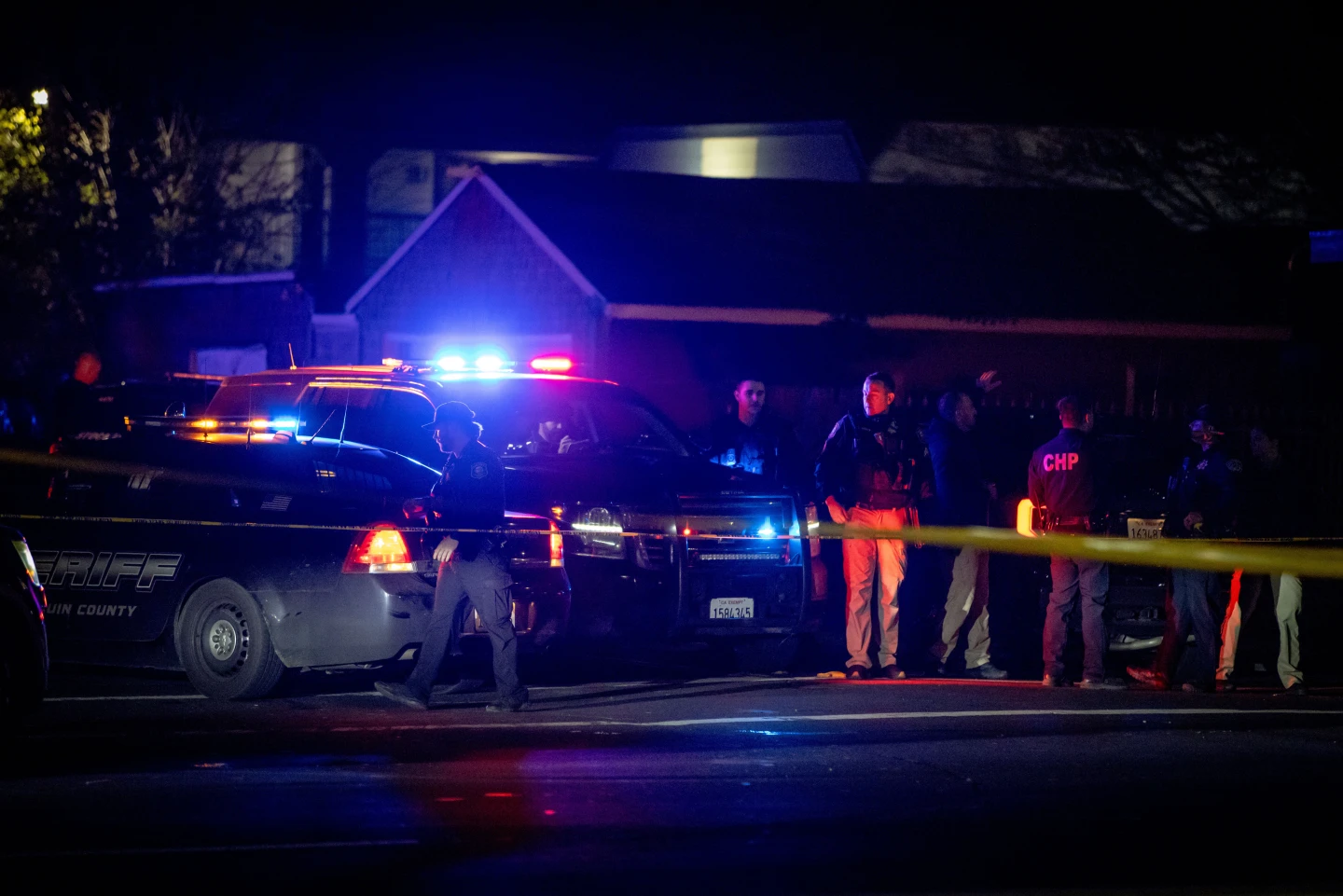
Rahmanullah Lakanwal, a 29-year-old Afghan national formerly trained by U.S. military forces, has been charged with first-degree murder related to the shooting incident that took place on November 26. The attack resulted in the death of 20-year-old National Guard Specialist Sarah Beckstrom and left 24-year-old Staff Sergeant Andrew Wolfe in serious condition.
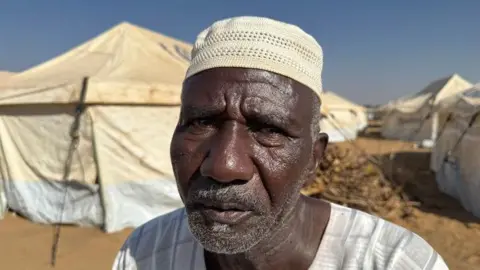
During a meeting with community elders, Muttaqi emphasized that Lakanwal's actions are an isolated incident that should not tarnish the image of the Afghan people, noting, “This is an individual incident. The person who committed this act was trained by the Americans.” He urged that accusations against the broader Afghan population are unwarranted.
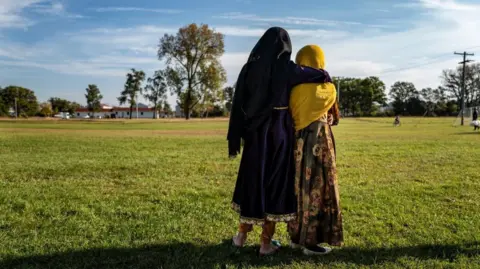
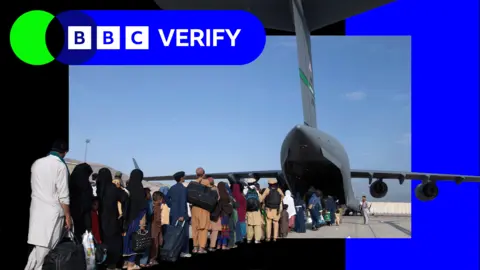
Lakanwal, appearing via video from a hospital bed where he is recovering from his own gunshot wounds, pleaded not guilty to murder and assault charges during a recent court hearing. His presence in the U.S. came under the Operation Allies Welcome program, set up to assist thousands of Afghan nationals seeking refuge after the Taliban regained control of the country in 2021.
U.S. government officials have responded to the incident by instituting sweeping changes in immigration policy, including a pause on asylum applications from Afghans and tighter scrutiny over immigration applications — a measure that further complicates the plight of many who have fled Afghanistan.
This tragedy has reopened discussions about the implications of past U.S. military training and partnerships with local forces in Afghanistan, particularly those involved in sensitive operations, as long-standing tensions and grievances resurface. Many U.S. officials and former soldiers are monitoring the evolving situation closely as they navigate the complex aftermath of service in Afghanistan.