In brief
The Labour Party is pivoting its Brexit focus towards Remain supporters, as Chancellor Rachel Reeves emphasizes the need for a closer relationship with the EU while asserting that the party will not backtrack on previous Brexit commitments. This shift comes in response to the perceived economic damage caused by Brexit and aims to reconnect with disillusioned voters, particularly in light of the party's struggles to regain support from working-class Leave voters while drawing in pro-EU support.
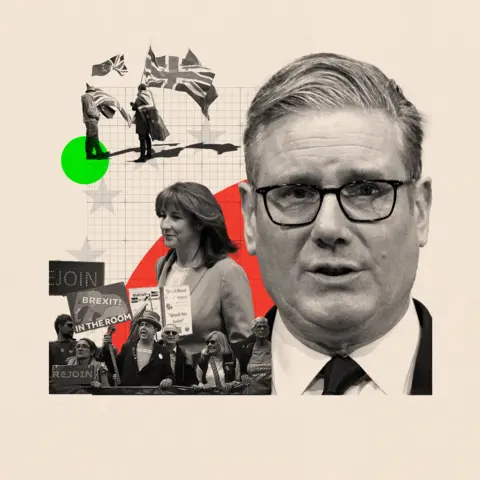
Brexit did deep damage. With those words at her Mais lecture on Tuesday, Chancellor Rachel Reeves made it clear that there has been an important shift within the Labour Party - one that government ministers have been signalling for some time.
Reeves directly addressed European allies, stating that a deeper relationship with the EU is in everyone’s interest, while carefully avoiding the phrase turn back the clock on Brexit. This rhetoric reflects the Labour government’s belief that reversing some of Brexit's adverse impacts is crucial for revitalizing the UK’s lagging economy.
In Labour's 2024 election manifesto, proposals for renegotiating the Trade and Co-operation Agreement suggested ending EU customs checks on food exports, yet the party has maintained strict boundaries against rejoining the single market, customs union, or freedom of movement.
These stances result from Labour’s defeat in the 2019 election and the subsequent decision to accept Brexit. However, recent comments from party leaders suggest a shift towards a more ambitious approach to EU relations, acknowledging the economic repercussions of Brexit.
A marked difference in Labour’s tone has emerged, particularly from leader Sir Keir Starmer, who noted the significant economic hurt from Brexit and advocated for an improved relationship with the EU. Such a pivot aims to address pressing economic issues and seeks to reconnect with voters previously alienated by its Brexit stance.
Some cabinet ministers are echoing this sentiment, with the Deputy Prime Minister David Lammy indicating that the grim economic reality post-Brexit is undeniable. Mayor of London, Sadiq Khan, has even suggested rejoining the EU customs union, paving the way for a clearer shift in the party's Brexit narrative.
Despite Reeves reiterating that Labour’s manifesto red lines still stand, her remarks indicate a willingness to align regulatory regimes with the EU when beneficial for the UK economy. This strategic adjustment aims not only to remedy economic struggles but also to cleverly navigate the political landscape of shifting voter sentiment.
The challenges remain, however, as Labour walks a tightrope between appealing to Brexiteers and re-engaging Remain voters. Surveys suggest overwhelming support for rejoining the EU among former Labour voters, placing pressure on the party to balance its manifesto commitments while addressing growing dissatisfaction among the electorate due to perceived economic mismanagement.
Ultimately, Labour's future electoral success may hinge on its ability to reconcile its Brexit strategy with the diverse needs and opinions of its supporters, particularly as 2024 approaches with heightened competition from rival parties like the Greens and Liberal Democrats.