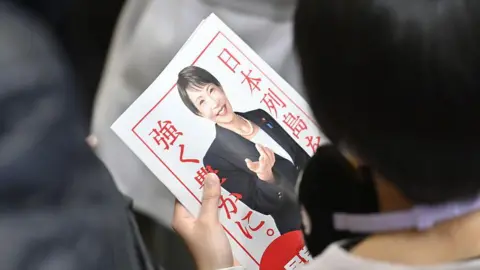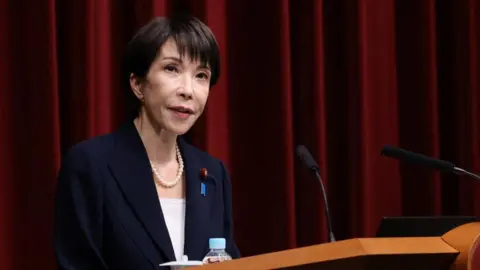
Japan's Prime Minister Sanae Takaichi will dissolve parliament on Friday, paving the way for an early election on 8 February that she hopes will translate her strong public polling into a big majority in the lower house.
It was an extremely weighty decision that would determine Japan's course together with the people, Takaichi told a news conference in Tokyo.
The country's first female leader and her cabinet have enjoyed high public support since taking office last October. However, her party lags behind in polls and the move is risky, as it marks Japan's second general election in as many years, testing appetite for her plans to boost public spending when cost-of-living is top of voters' minds.
Since taking office, Takaichi expressed concern that her cabinet had not yet been tested in an election chosen by the public. Is Sanae Takaichi fit to be prime minister? I wanted to ask the sovereign people to decide, she stated.
The election campaign will start on 27 January, with Takaichi aiming to secure a mandate for her plans to revitalize Japan's economy through increased public spending.
While her Liberal Democratic Party (LDP) has a historically strong grip on power, it currently holds 199 seats in the House of Representatives and needs to strengthen its position amidst a newly consolidated opposition party.
Takaichi, who has a strong public approval rating sitting between 60-80%, hopes that this popularity will assist the LDP in securing a definitive majority and enabling her policies to take root more firmly. However, she is keenly aware of the potential pitfalls associated with calling a snap election, especially considering the LDP's recent leadership instability and past electoral losses.
As Japan navigates this period of political maneuvering, the upcoming election represents not just a critical juncture for Takaichi but for the nation's democratic process amid evolving economic challenges and geopolitical tensions.