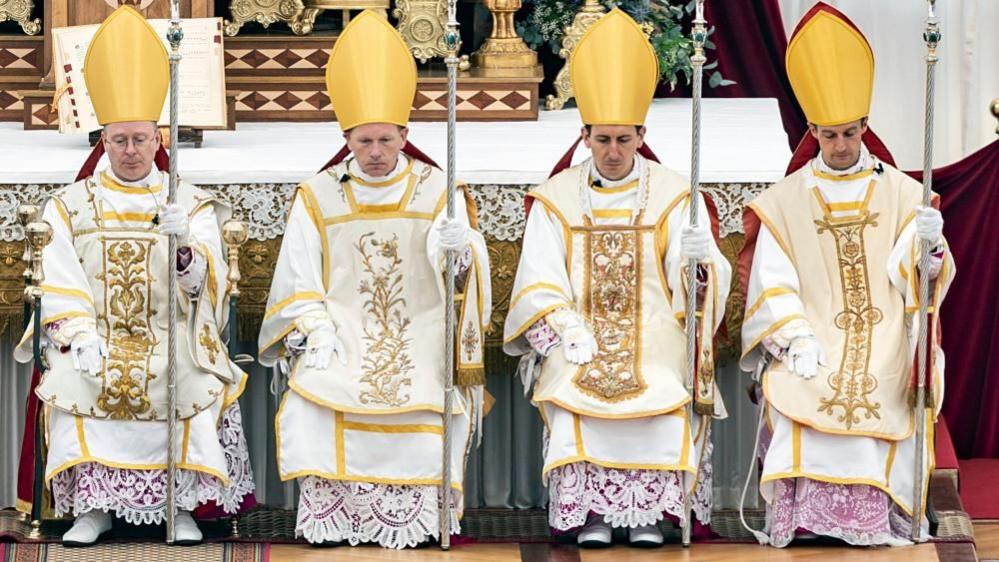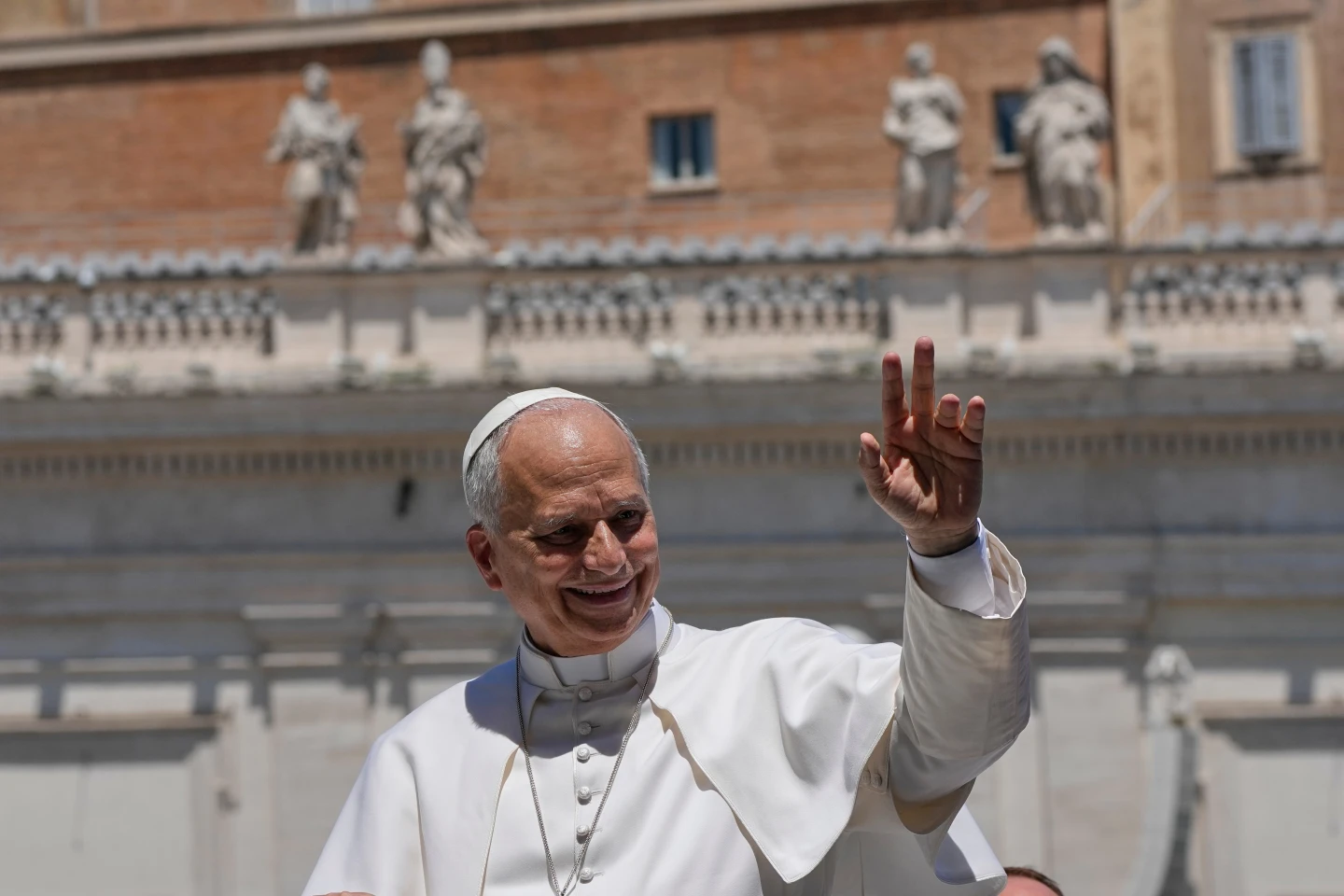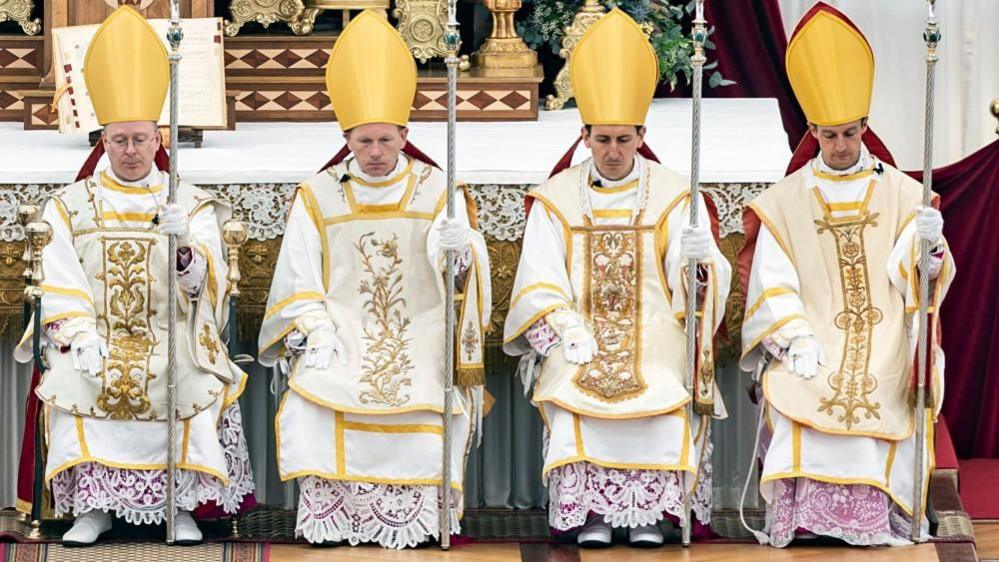
In a small Alpine village near Sion, Switzerland, thousands gathered to witness the SSPX’s consecration of four new Catholic bishops, an act that ran counter to a last‑minute warning from Pope Leo XIV calling it a "schismatic act". The Society of Saint Pius X—often called the Lefebvri‑ists after its founder, Archbishop Marcel Lefebvre—has long resisted the Vatican’s reforms adopted after the Second Vatican Council, particularly the use of vernacular languages in Mass and broader engagement with other faiths.
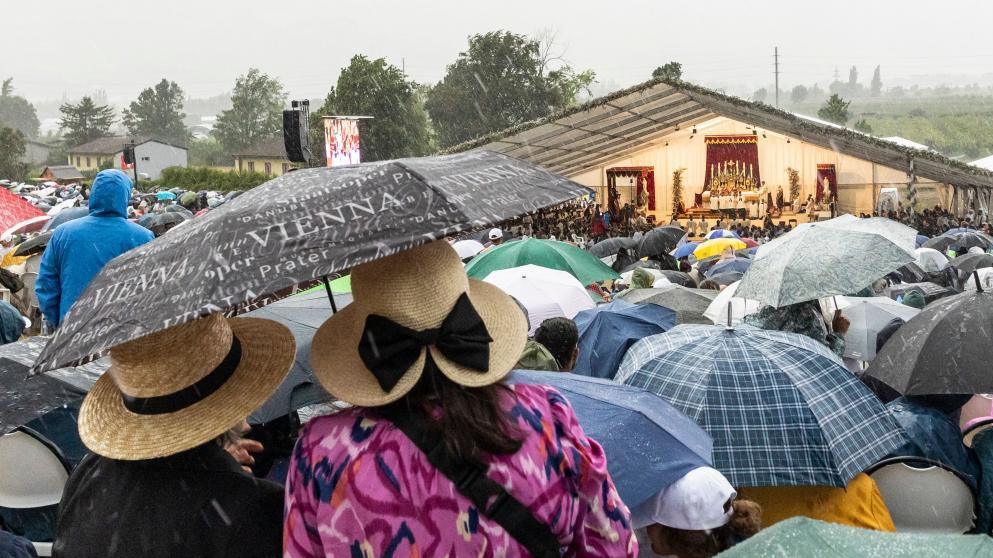
The ordination took place under gray mountain skies in a tented area within the village, with the four candidates—one from the United States, one from Switzerland, and two from France—prostrating before an altar and taking vows in Latin. Ritual music blasted from a celebratory organ, and the ceremony was broadcast live on YouTube in seven languages, illustrating the SSPX’s persistent global presence.
Although the Vatican had declared the 1988 episcopal consecrations of SSPX members void and excommunicated the priests involved, Pope Benedict XVI’s 2009 decree was unsuccessful in healing the split. Pope Leo XIV has not yet decided whether to formally exclude the new bishops from the Church, leaving the situation in limbo.
The event underscores the SSPX’s desire to preserve a medieval‑style mystique, favoring Latin liturgy and a hierarchical separation from lay participation. Their stance on other reforms—such as ecumenical outreach and recognition of religious freedom—has also drawn sharp criticism from the Vatican, which sees the Society’s actions as a serious challenge to ecclesiastical unity.
While the Pope has signalled that these bishops are illegitimate, the SSPX maintains that the consecrations were justified by their love for the Pope as “vicar of Christ” and a refusal to tolerate perceived humiliation. The aftermath will likely depend on how Pope Leo balances preserving Church unity with confronting a group that remains unapologetically autonomous.