In brief
The Federal Security Service of Russia has charged Pavel Durov, the founder of the messaging platform Telegram, with facilitating terrorism after alleging that the app was used by Ukrainian intelligence for recruitment and sabotage operations within Russia. The FSB claims that Telegram failed to eliminate channels, chats and bots linked to hostile activities. An arrest warrant was issued for Durov, who holds French and UAE passports and lives abroad. The charge follows a long history of tension between the Russian government and the company, which has faced criticism for its moderation policies. Telegram, today used by approximately 950 million people worldwide, remains a key platform amid Russia’s broader crackdown on internet freedom.
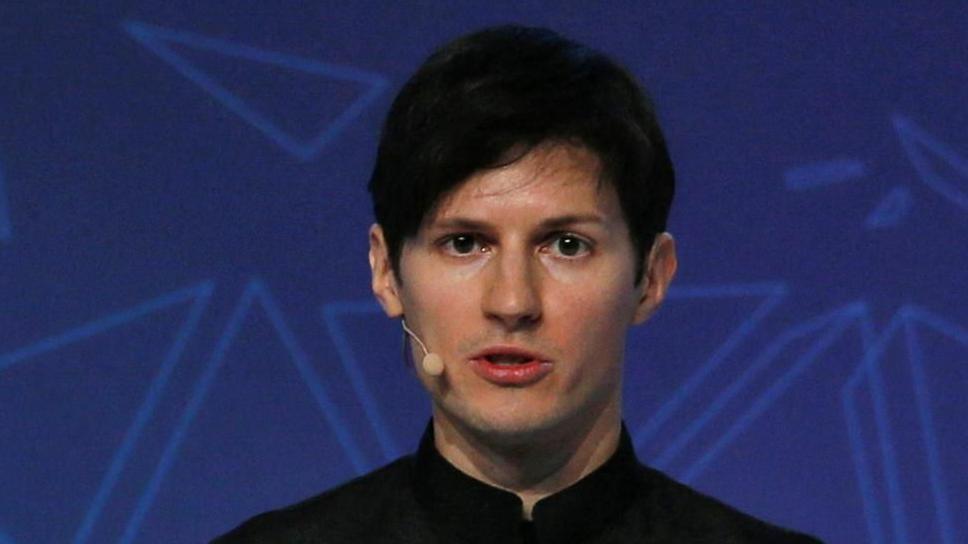
Russia has charged Telegram’s founder Pavel Durov with facilitating terrorism, accusing the popular messaging app of aiding Ukrainian secret services in recruitment and sabotage activities inside the country.
The Federal Security Service (FSB) alleges that Telegram helped plan and coordinate acts of sabotage and terror in Russia, and that the platform failed to remove channels, chats and bots that were used by Ukrainian intelligence agencies.
An international arrest warrant was issued for Durov, who, although born in Russia, now holds French and United Arab Emirates passports and lives abroad.
The charge follows a history of conflict with Moscow, where Durov left the country in 2014 after refusing to shut down opposition communities on the platform. He had previously founded the Russian social media company VKontakte, often dubbed the "Facebook of Russia".
Telegram, currently used by roughly 950 million people worldwide, has positioned itself as a privacy‑focused app, but it has faced criticism over its moderation policies and the role of its services in extremist and criminal contexts.
In July 2024, France opened an investigative file on Durov over allegations it failed to moderate the platform, but he was released a few months later with the probe continuing. The Russian filing highlights the escalating tensions over information control between Moscow and speech‑freedom advocates.