In brief
Every click of "buy" in the UK may now trigger an autonomous robot that pulls shelves and delivers items to workers. Geek+, a Chinese maker, has shipped two thousand robots to ten warehouses across Britain, including Tesco and Asda, and claims their machines double picking speeds and reduce errors. Chinese factories use parts originally built for electric cars to create these efficient robots, fueling a larger push for high‑tech manufacturing. While the future of humanoid robots remains uncertain, Britain’s growing automation battleground offers a testing ground for China’s next‑generation intelligence.
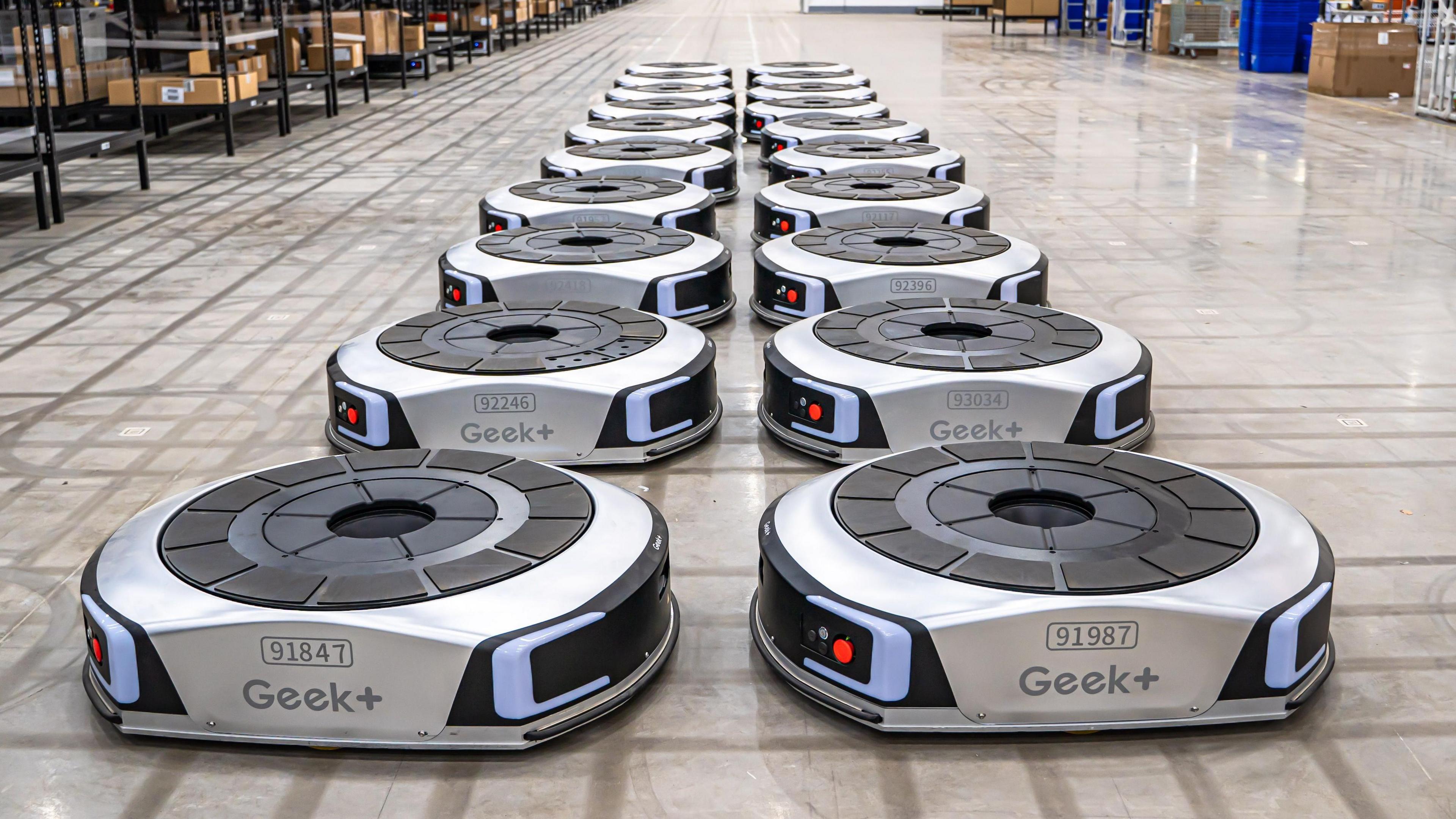
Every time you click "buy" on an online order, the chances are that your purchase starts getting processed within minutes. In recent years, the movement begins with a squat silver floor robot that glides under a storage rack, lifts a shelf and carries it across a warehouse to a waiting worker.
Geek+ builds these robots at its factory in Hefei, China, where fleets are tested before being shipped to warehouses worldwide. British retailers, from Tesco to Next, now use Geek+ technology to speed up picking, free up hard‑to‑reach spaces and reduce mistakes.
Unlike older conveyor‑based systems, autonomous mobile robots use QR‑code floor markers and safety fencing, making them simpler to deploy.
China Became a Robotics Leader
China’s focus on robotics stems from a broader strategy to build "new quality productive forces" in a nation facing a shrinking working‑age population. The country’s electric‑vehicle manufacturing base feeds the robotics industry: battery, motor, sensor and semiconductor technologies designed for cars are now repurposed for robots.
XPeng, a leading EV maker, unveiled a humanoid robot called Iron, signalling a shift toward integrated hi‑tech brands that blend cars and robotics. Experts say the overlap between the EV and robotics ecosystems could push China to dominate the global market, but recent US bans on importing advanced robots threaten to stall this trajectory.
The Next Frontier
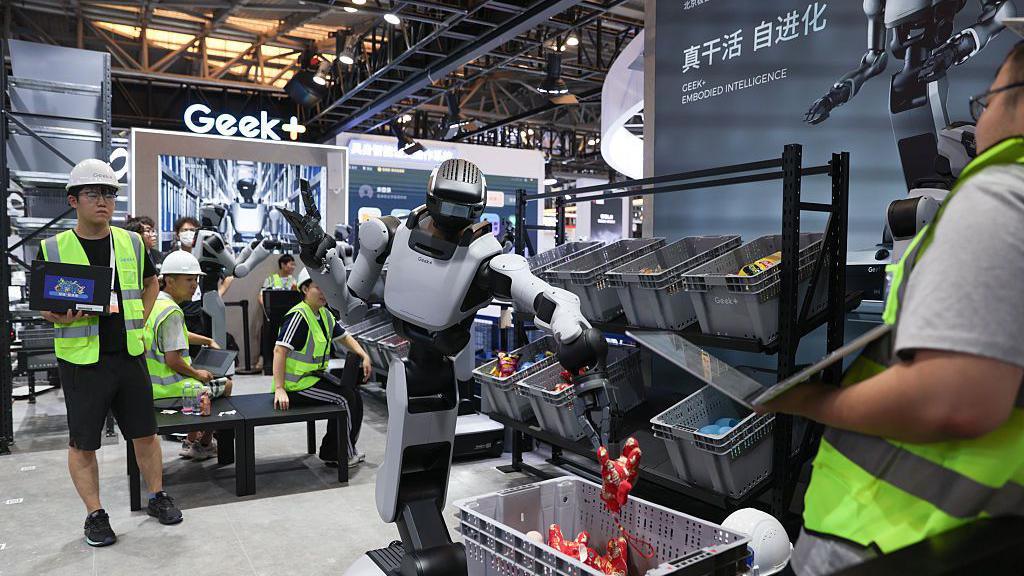
Geek+ aims to automating not just moving goods but also picking, handling and packing. The company’s next phase is end‑to‑end unmanned warehouse solutions.
In China, firms like AgiBot and Unitree invest billions in humanoid robots, hoping these machines will work in factories, hospitals and offices without requiring redesign of workplaces. However, the technology is still not mature enough for many repetitive tasks that demand fine dexterity.
UK shortages of warehouse labor and high demand for faster, cheaper fulfillment mean that British warehouses serve as an early testing ground for Chinese robot innovations. The Trades Union Congress stresses the need for workers to participate in automation decisions and for retraining, arguing that robotics should raise productivity without simply cutting jobs.