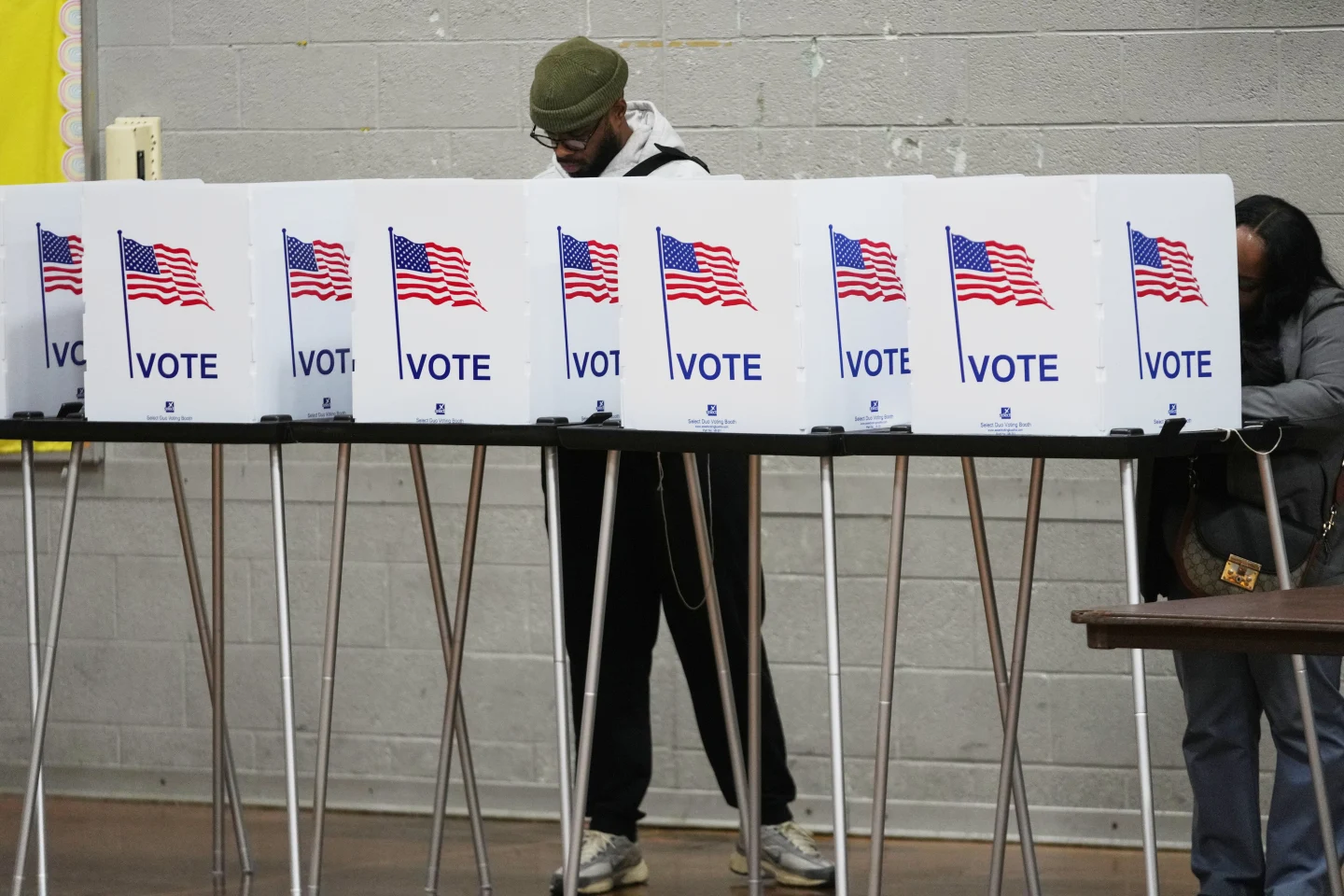
If history serves as a benchmark, the Republican Party could face significant challenges in the 2026 midterm elections. Holding a narrow majority in the House of Representatives, incumbents typically see declines in seats during midterm elections.
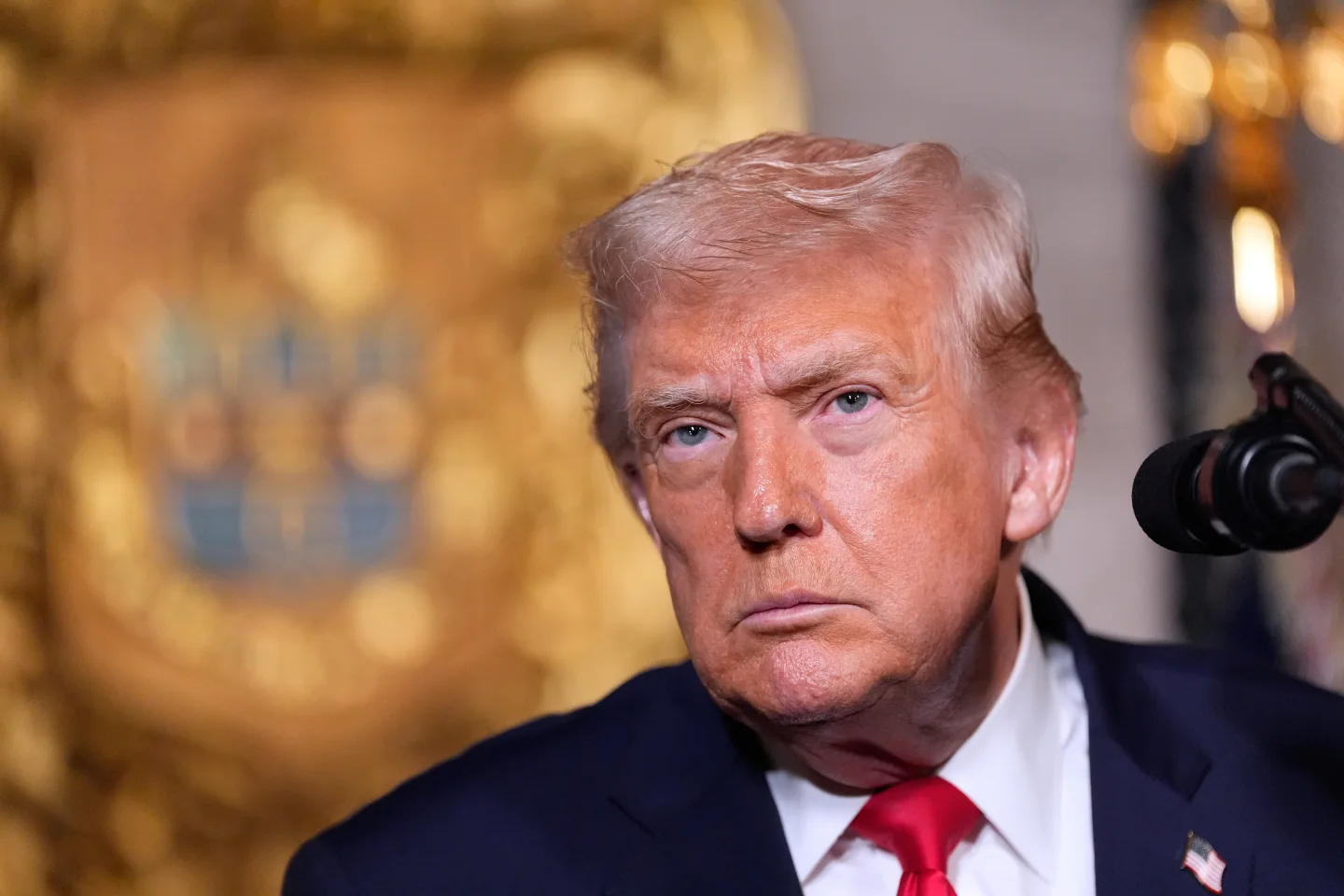
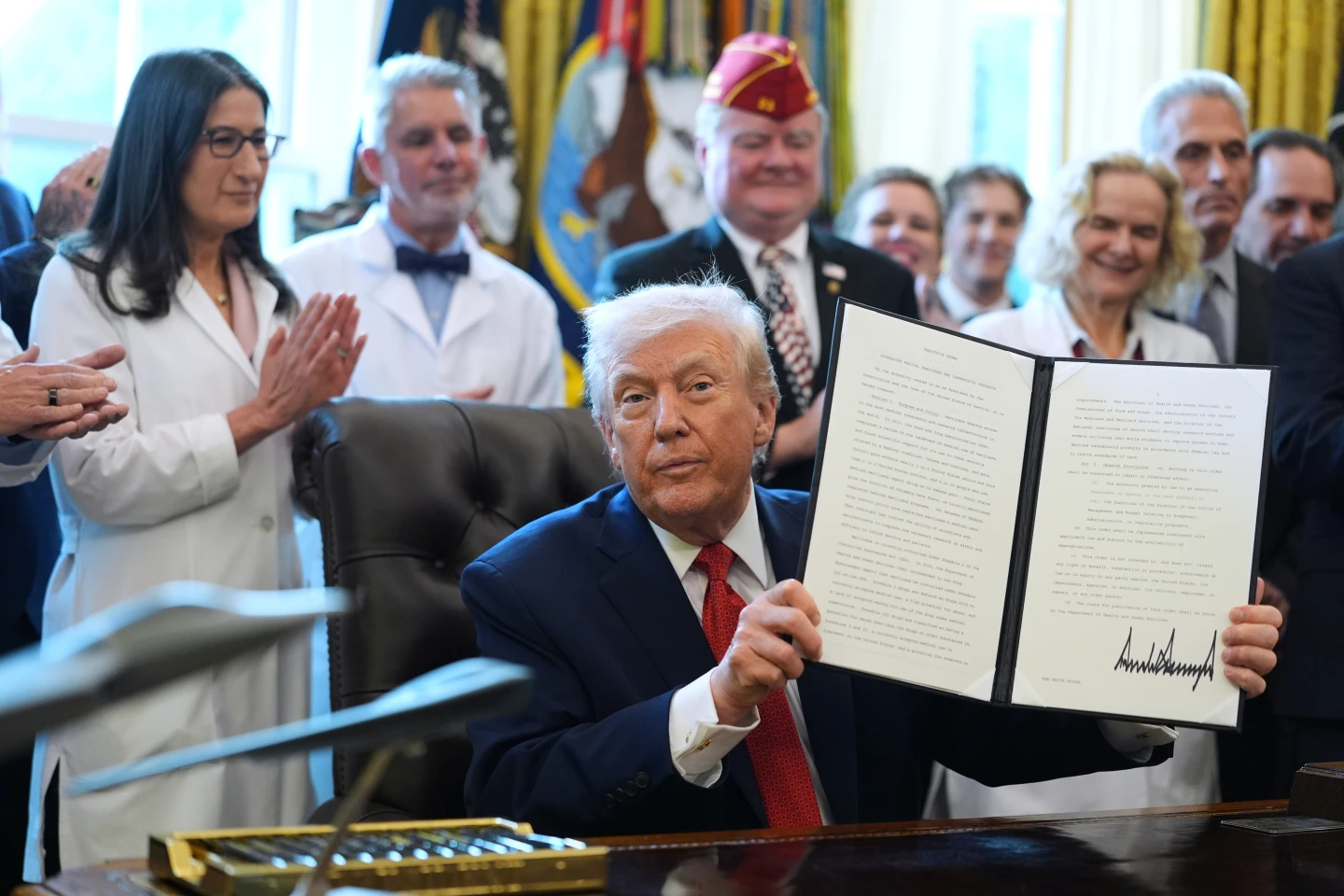
In a bid to avert repeating past mistakes, former President Donald Trump is rallying support to reshape congressional maps nationwide, attempting to create more conservative-leaning districts. However, this effort has raised concerns about potential backlash and manipulation of the electoral landscape.
Efforts by Trump to fortify the party’s standing include targeting Democratic politicians and activists, raising alarms about unprecedented executive interventions during midterms. Critics highlight instances of federal military presence in cities with Democratic leadership, potentially instilling fear and discouraging voter turnout.
Democratic National Committee Chairman Ken Martin voiced concerns over potential uses of military force, suggesting that the atmosphere of fear could significantly hinder voter participation on Election Day.
Controversies Surrounding Election Interventions
Despite dire predictions prior to November’s elections, reality proved less dramatic. Instances of intimidation or violent interventions remained non-existent, culminating in a successful measure in California aimed against Trump’s redistricting campaign.
White House representatives dismissed Democratic fears as extreme exaggerations for political gain. Both Trump’s administration and advisors denied any plans to destabilize the electoral process through military interference.
Nonetheless, legal preparations are underway, with the Democratic Party alert to potential overreach by Trump’s administration, manifesting in possible deployment of federal agents or misinformation campaigns to undermine the electoral process.
State Authority Over Elections
The electoral procedures falling under state jurisdiction inherently limit the president’s ability to exert direct influence. Many observers express cautious optimism based on a quieter electoral season, although more significant challenges are possible as 2026 approaches.
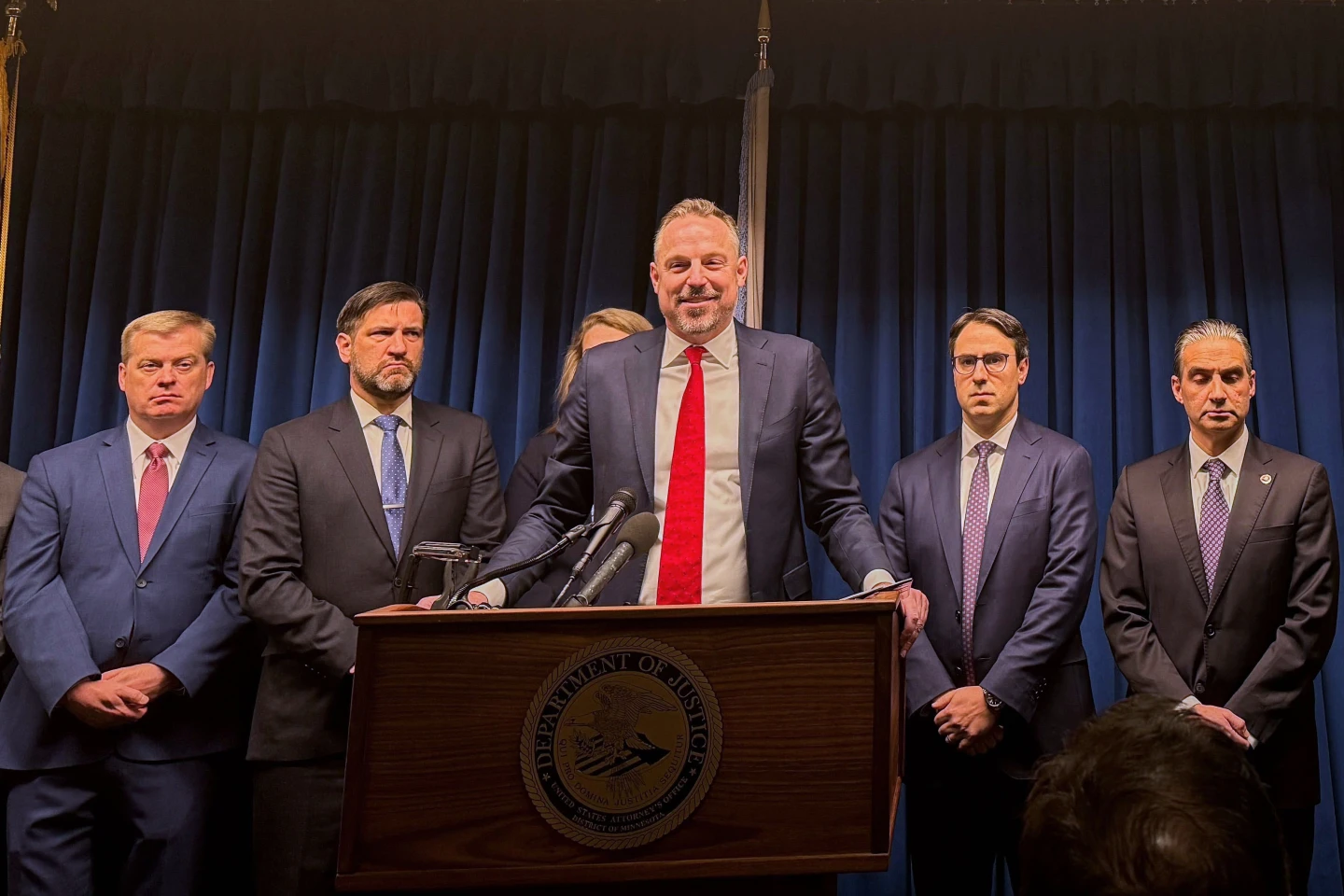
Concerns persist regarding the DOJ's demands for sensitive voter data from various states, alarming both advocates and election officials. Such actions signify a potential misuse of power that could compromise voter privacy and confidence in electoral integrity.
Preparing for the Electoral Battle
In light of these uncertainties, both political parties are gearing up for robust efforts surrounding voting rights. The Democratic Party is focused on monitoring for issues labeled as “voter protection,” while the Republicans advocate for what they dub “election integrity.”
As the political landscape continues to evolve, experts emphasize the importance of vigilance, underscoring that while fears are valid, proactive engagement remains crucial to safeguard democratic processes during the critical midterm elections.