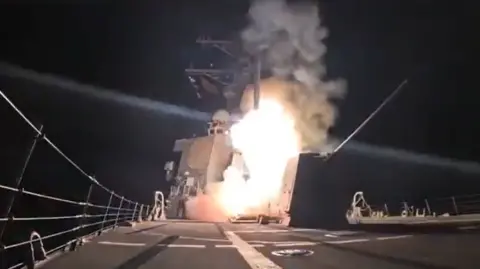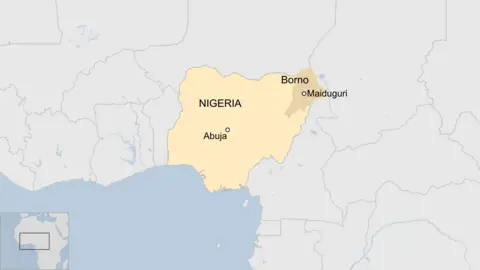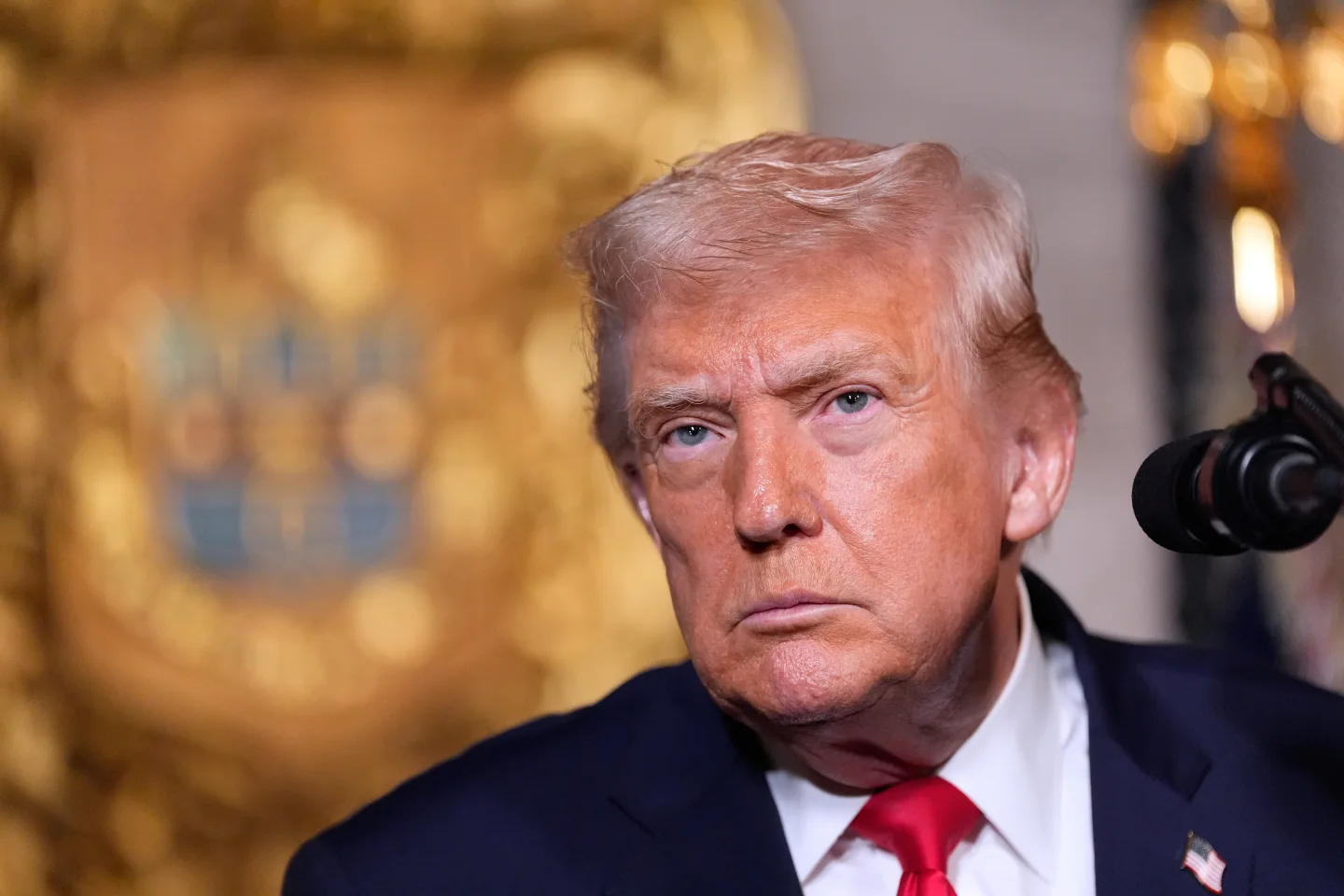
In a significant escalation of U.S. military involvement in Nigeria, President Donald Trump announced that the United States has launched airstrikes targeting Islamic State militants in Nigeria. According to Trump, the operation was motivated by increasing concerns over the threats posed by violent extremist groups, particularly directed towards Christians in the country.
These strikes were aimed at the Lakurawa group, a faction gaining notoriety in the northwest for carrying out attacks against vulnerable communities. A Defense Department official confirmed that the operation was coordinated with the Nigerian government, highlighting that the strikes were both necessary and approved by Abuja.
The U.S. military initiative comes in the wake of a growing security crisis in Nigeria, where multiple armed groups continue to challenge government authority and target civilian populations. With a population divided almost equally between Christians and Muslims, the violence impacts both faith groups, highlighting the complexity of the situation.
The Nigerian Ministry of Foreign Affairs stated that their collaboration with the U.S. includes intelligence sharing and strategic coordination, emphasizing their commitment to uphold international law.
Despite this cooperation, challenges remain significant. Security analysts note that while the U.S. strikes may target groups like Lakurawa, the root causes of violence, including socio-economic grievances and lack of governance in certain areas, persist.
Trump’s administration has been vocal in its stance against what it perceives as a failure by Nigerian authorities to protect its citizens, especially the Christian minority facing violent attacks. This has resulted in a broader diplomatic approach, including sanctions targeting individuals involved in religious persecution.
As the U.S. expands its military presence in the region, there are concerns about sustainability and impact, especially given the diminishing footprint of the U.S. military in Africa. Analysts caution that any further large-scale intervention needs careful consideration of the existing complexities in the region's security landscape.