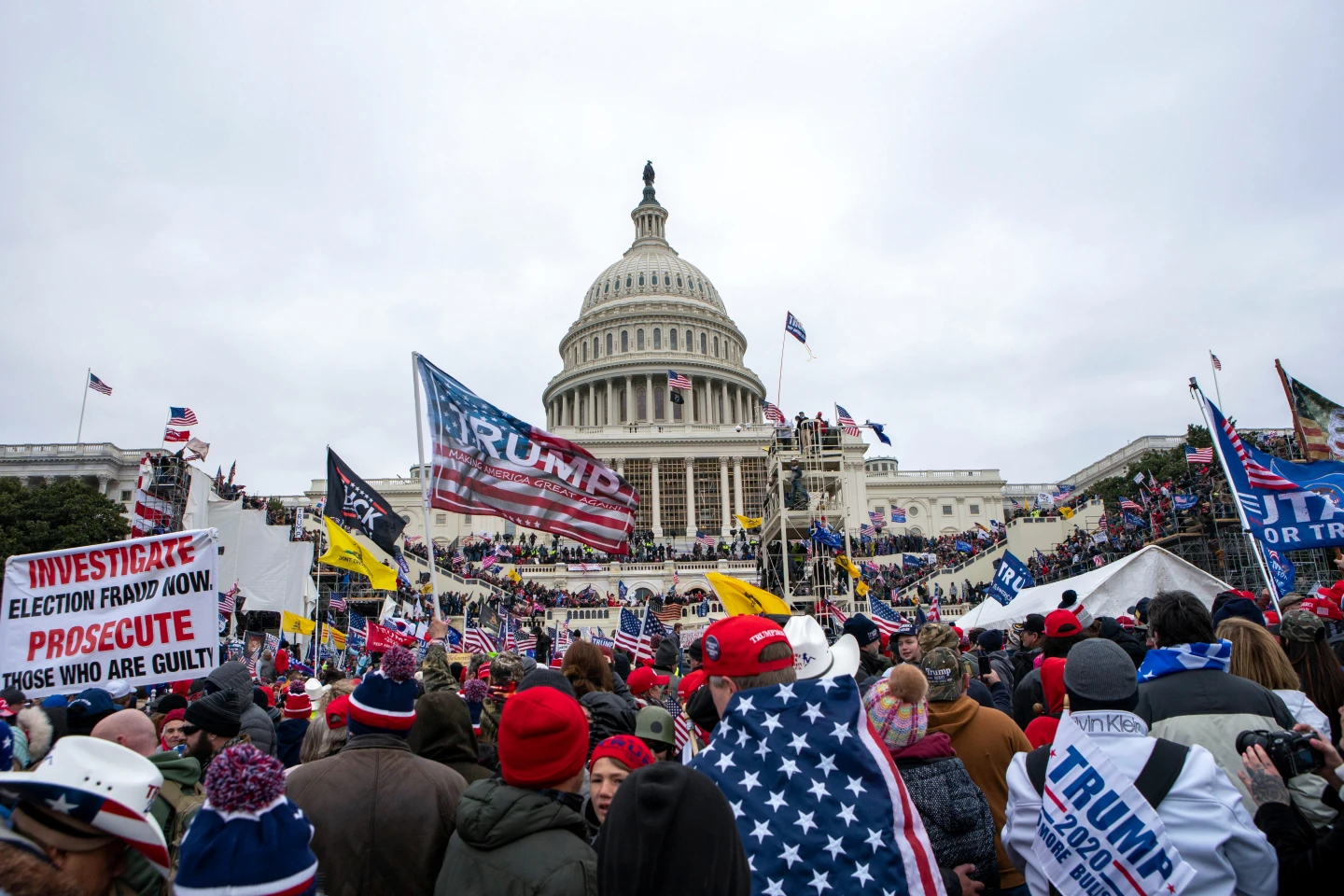
Five years have passed since the tumultuous events of January 6, 2021, when a mob instigated by then-President Donald Trump stormed the U.S. Capitol, challenging the certification of President Joe Biden’s election victory. In stark contrast to the significance of that day, this commemorative anniversary unfolds without an official event, highlighting ongoing political divisions.
The riot led to chaos as Congress was affirming Biden’s victory, showcasing vulnerabilities in U.S. democracy.
No consensus exists among political parties about the events that transpired, with efforts to memorialize the event and honor those who defended democracy stalled. For instance, an official plaque commemorating the Capitol Police has yet to be displayed. Meanwhile, political dynamics appear as polarized as ever, as reflected in various commemorations held by both Republicans and Democrats.
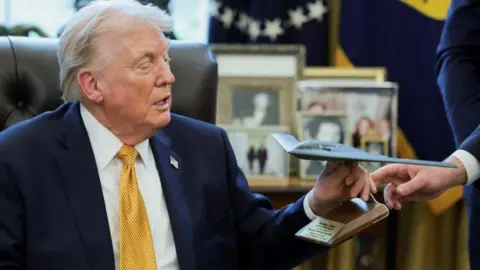
Trump’s recent speech directed at House Republicans aimed to deflect blame onto the rioters themselves, claiming his call for peaceful protest was misinterpreted. Simultaneously, Democrats conducted panel discussions emphasizing the importance of remembering January 6 as a cautionary tale, warning against a collective amnesia regarding the attack's implications.
Regardless of the growing distance from that day, the political landscape remains fraught with contention. Some Republicans form new committees to investigate alternative narratives surrounding the riot, while Democrats echo cautionary tales to ensure the events are not forgotten.
The aftermath of January 6 resulted in tragic loss, with five individuals dying due to the events of the day and its repercussions. Investigations into the riot saw several individuals charged, alongside numerous ongoing discussions regarding national security that linger in the public sphere today.
As the nation reflects on the anniversary, the pertinent question remains: How will this memory shape the political future of the United States?