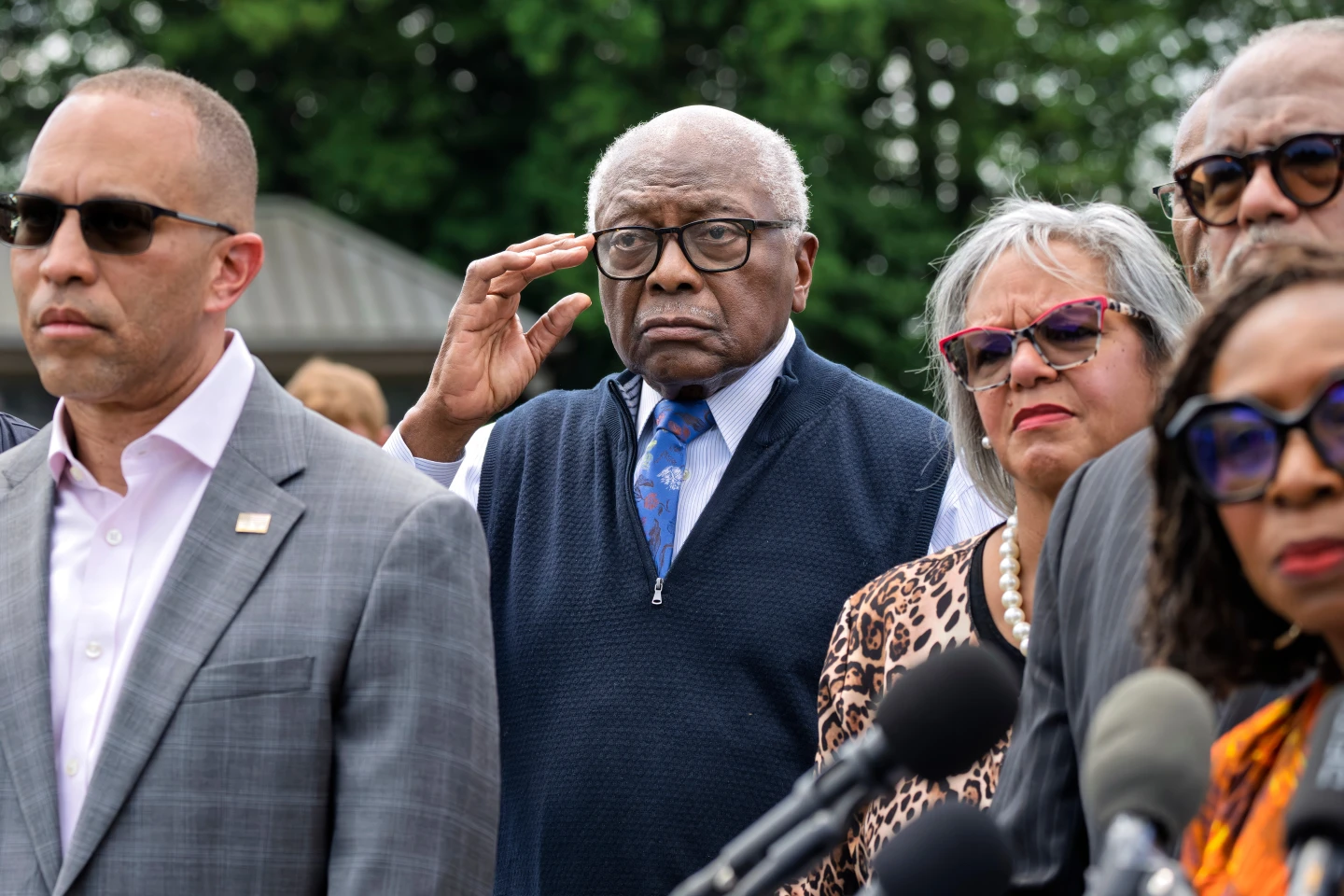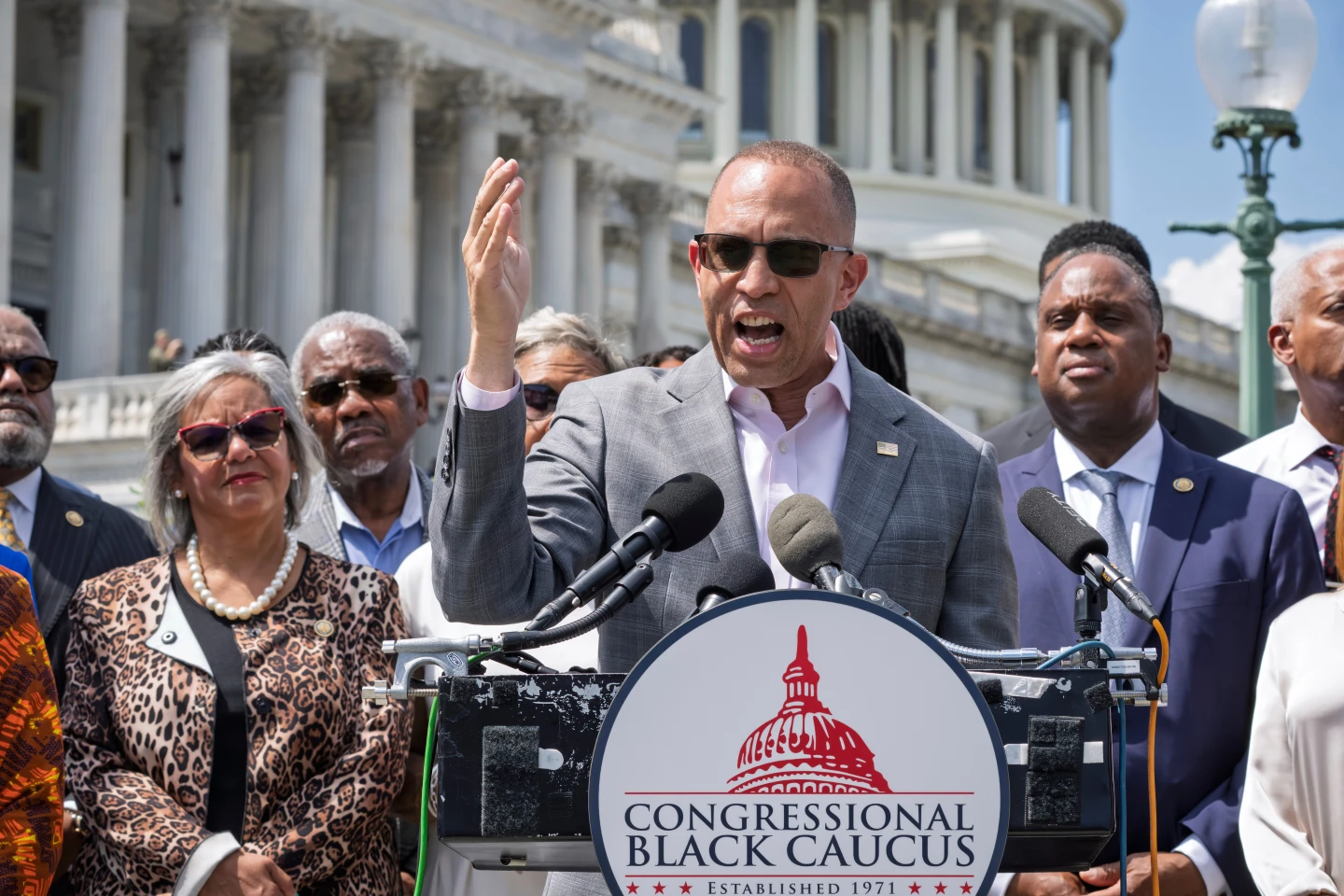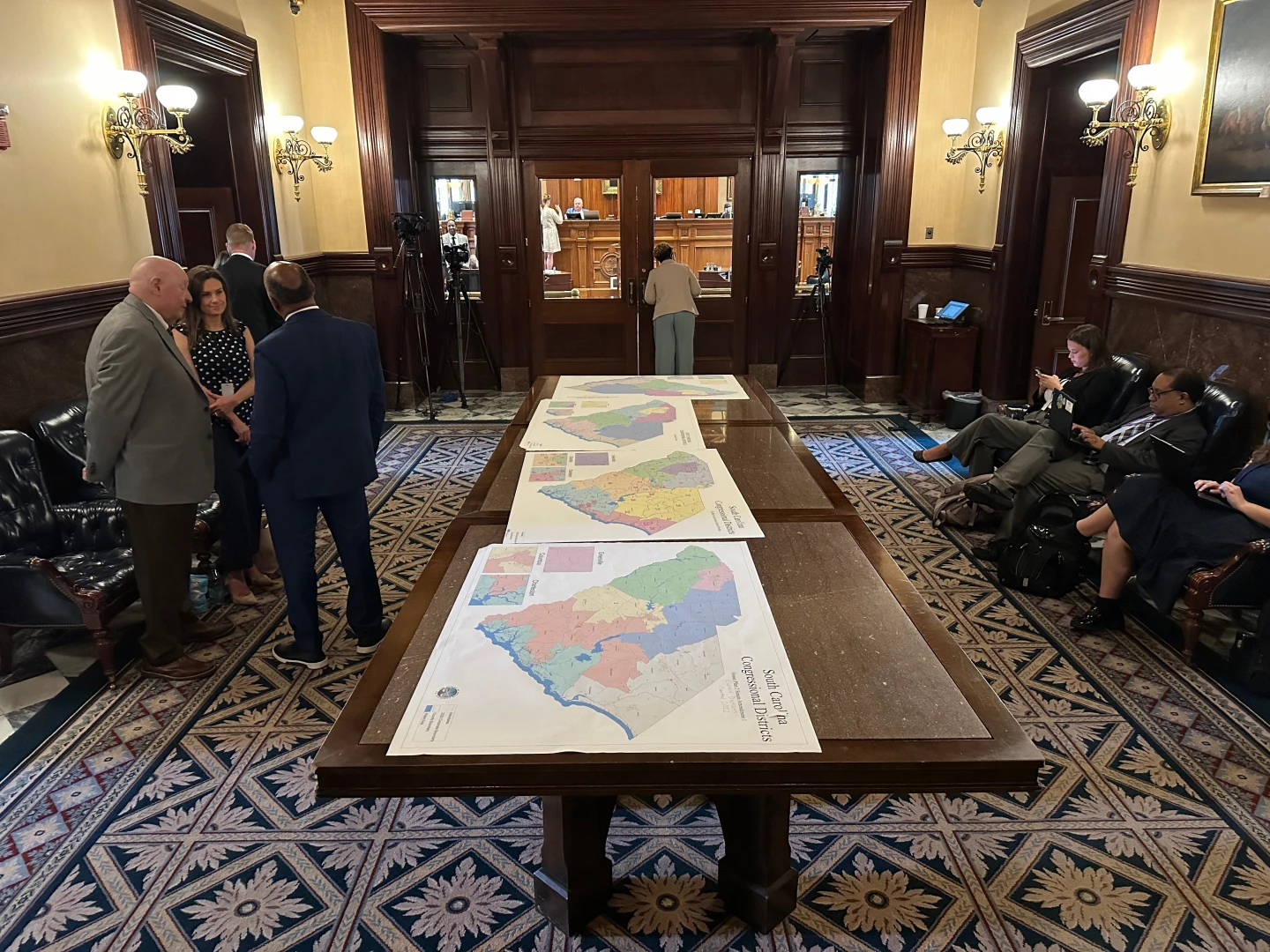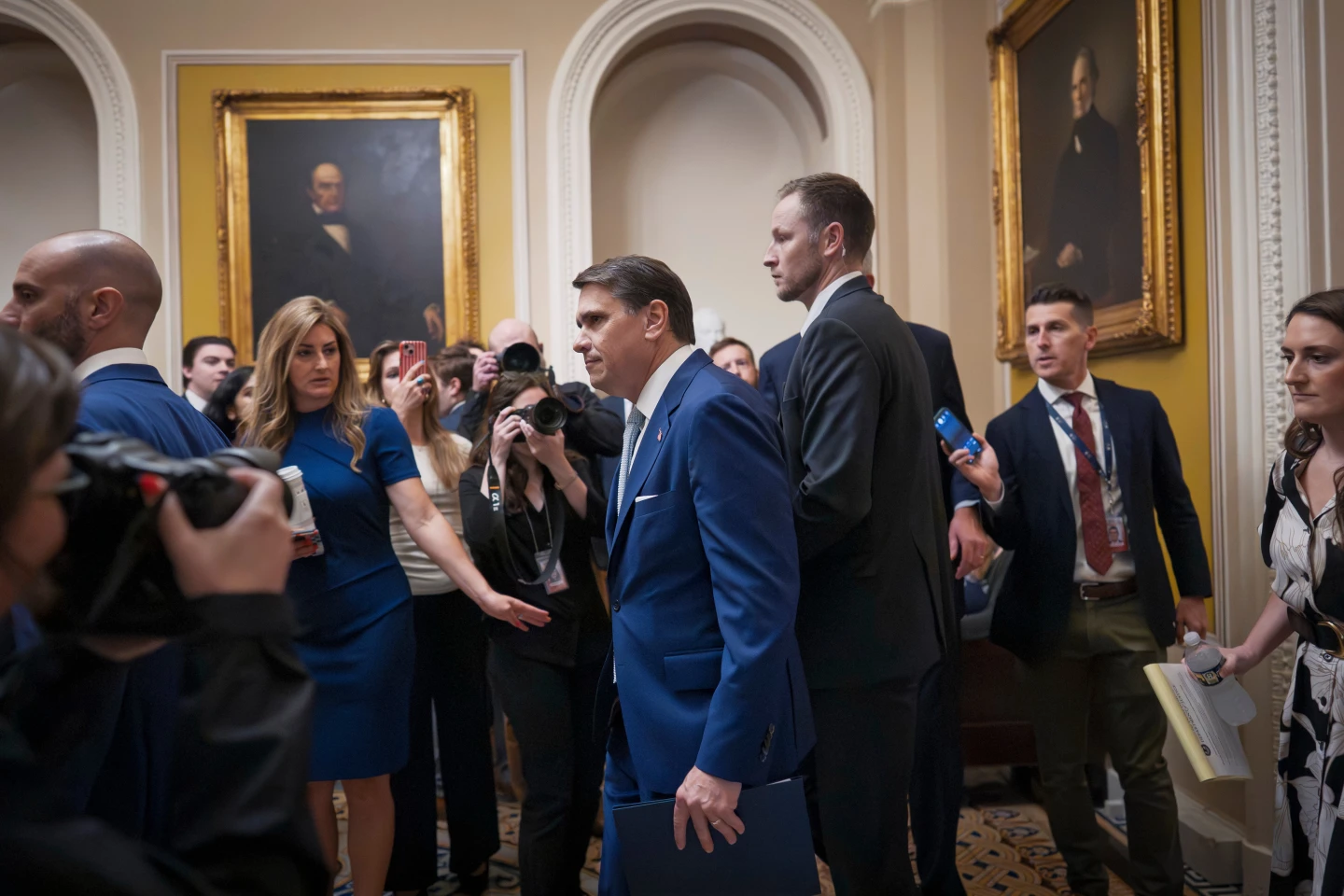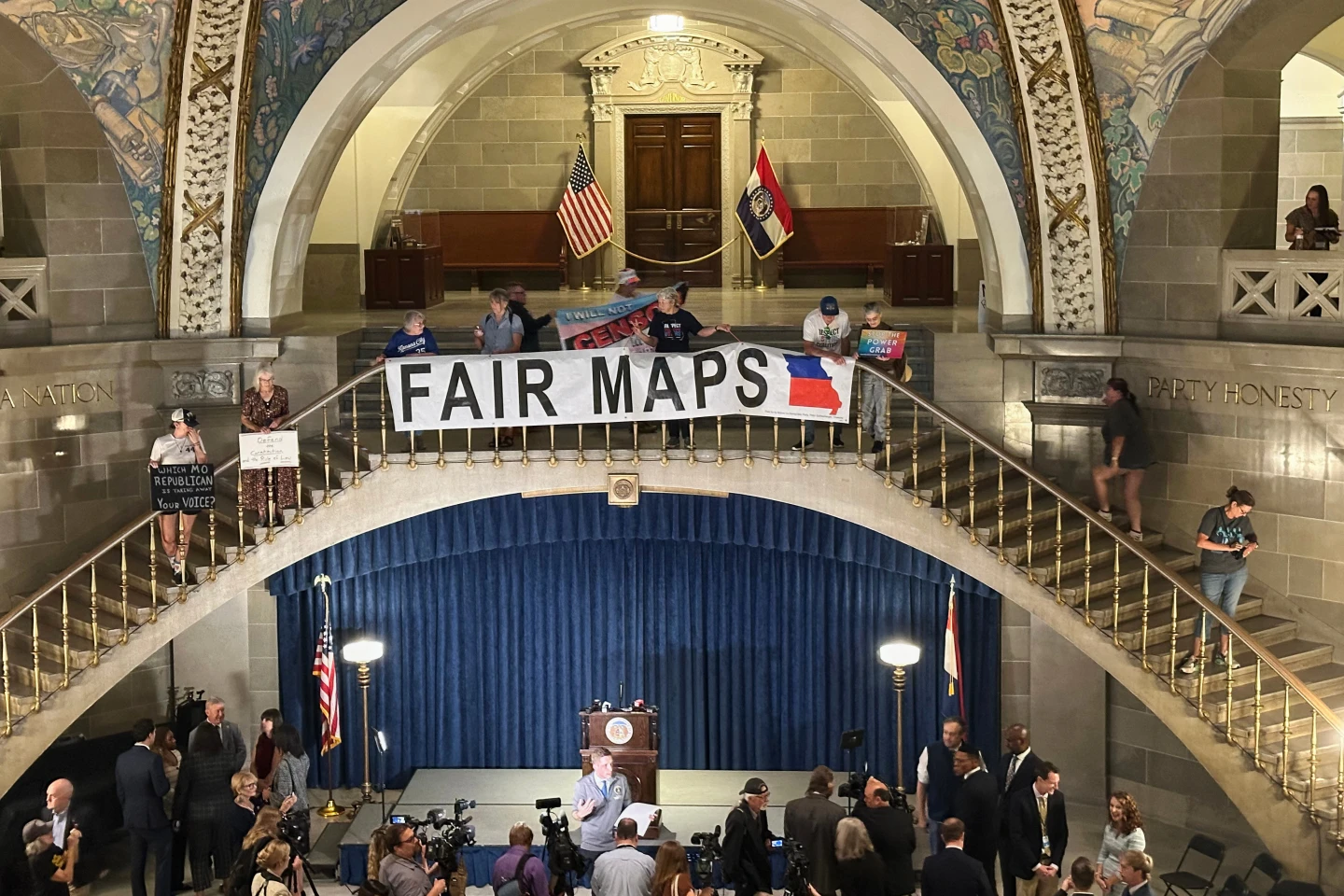
When Indiana adopted new U.S. House districts four years ago, Republican leaders praised them as 'fair maps' that accurately reflected local communities. However, recent attempts by Governor Mike Braun to modify these districts for partisan gain signal a significant shift in the understanding of what constitutes fairness in redistricting.
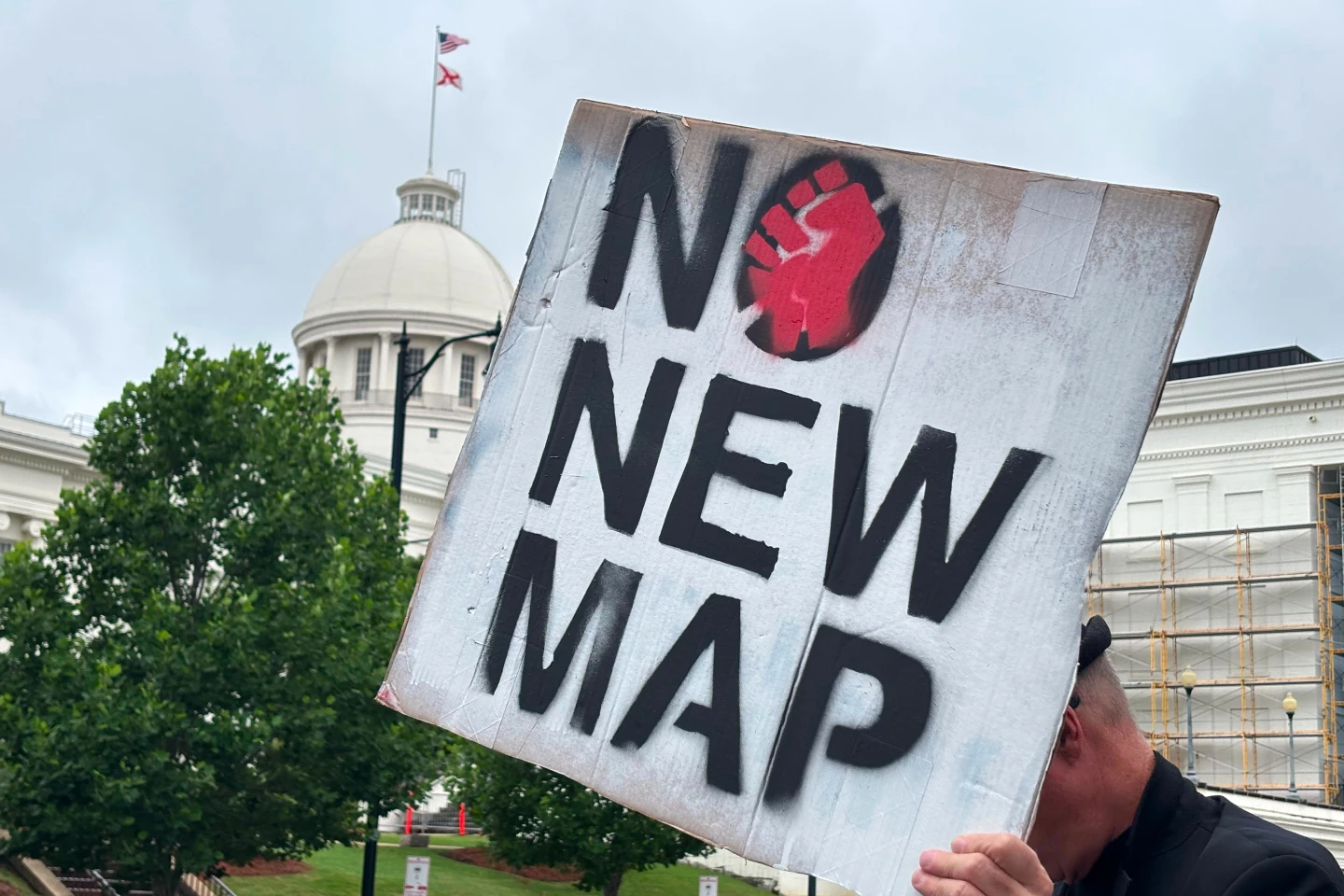
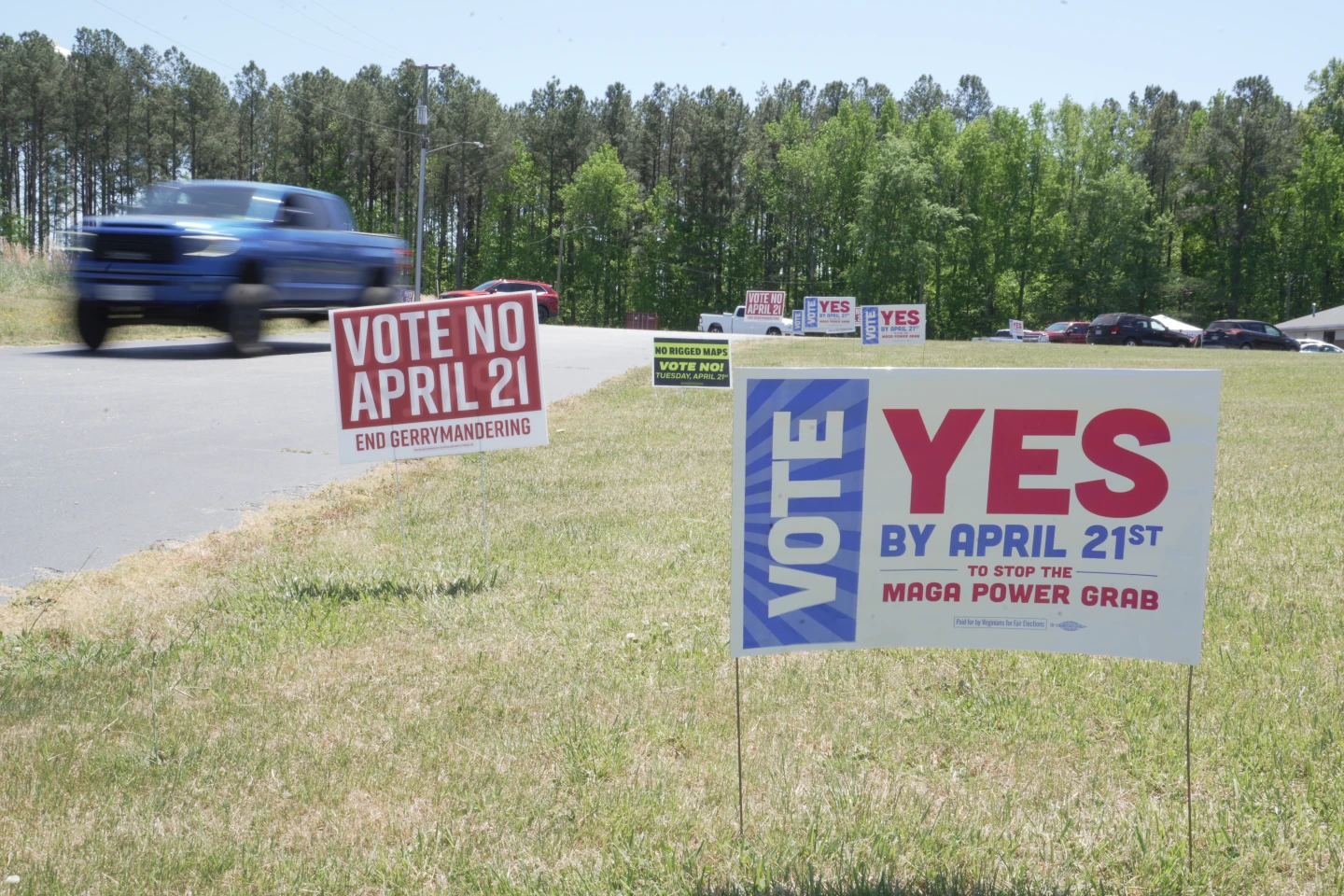
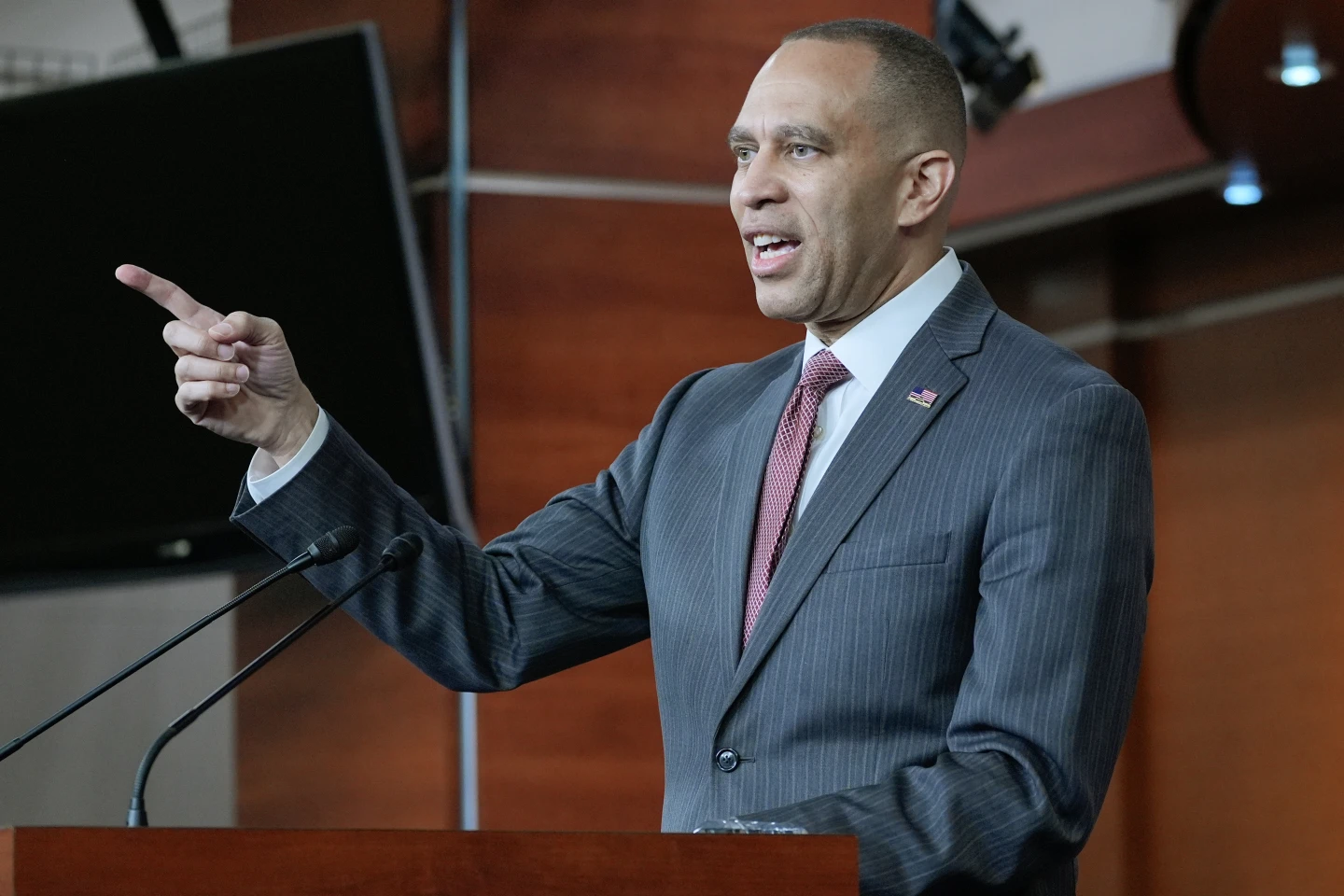
This change has spurred a broader debate about redistricting across states, with both parties redefining fairness to justify districting changes that often dilute community representation. Amidst a backdrop of mid-decade redistricting fueled by political motivations, the consequences of these actions could vastly reshape the House of Representatives, reducing the influence of minority voices and undermining democratic principles.
Redistricting Transforming Perspectives on Fairness
The latest attempts to redraw congressional lines, particularly those endorsed by Braun, were met with backlash from many state senators who opposed a map that sought to give Republicans a monopoly on all nine congressional seats. The narrative now in play is that fairness is contingent on political dynamics; it has become a tool employed by both parties to fortify their respective positions in Congress.
Analysts note this trend leads to a push for districts that accentuate political homogeneity, drawing lines that fragment historically diverse regions and risk exacerbating socio-political divides. Many fear this could lead to less representation for minority communities and critical issues being overlooked in legislative discussions.
Experts, including retired political specialists and advocacy groups, warn that such gerrymandering strategies overshadow the inherent democratic principle that the House should represent diverse interests. The entrenchment of one-party dominance in certain states, as evidenced by recent redistricting in Texas, California, and Missouri, raises alarms about the erosion of community representation.
As these developments evolve, the call for equitable redistricting practices grows louder, with advocates stressing the essential need for compact districts that respect community interests beyond political gains. The implications of these debates will resonate leading up to the critical 2026 midterms, as more states may face similar challenges in their redistricting efforts.