In brief
Zaporizhzhia, a frontline city in eastern Ukraine, has seen a surge in Russian drone attacks that now target schools, offices, and civilian transport. Traditional defence systems struggle to counter the new swarm tactics, which involve mesh‑networked first‑person‑view drones. Researchers are applying quantum machine‑learning models to predict swarm behaviour and guide anti‑drone deployments. These tools help commanders allocate limited resources more effectively while exposing the limits of current electronic‑warfare measures. The evolving situation underscores the need for advanced computational strategies in modern conflict analysis.
It was 5 am when Anna Holovchenko was awakened by glide bombs that rattled the suburbs of Zaporizhzhia, a city just 15 miles from the front line.
Within an hour, drones flew over her home. Ukrainian air‑defence units attempted to intercept them but were ineffective against the new swarm tactics that Russian forces have now introduced.
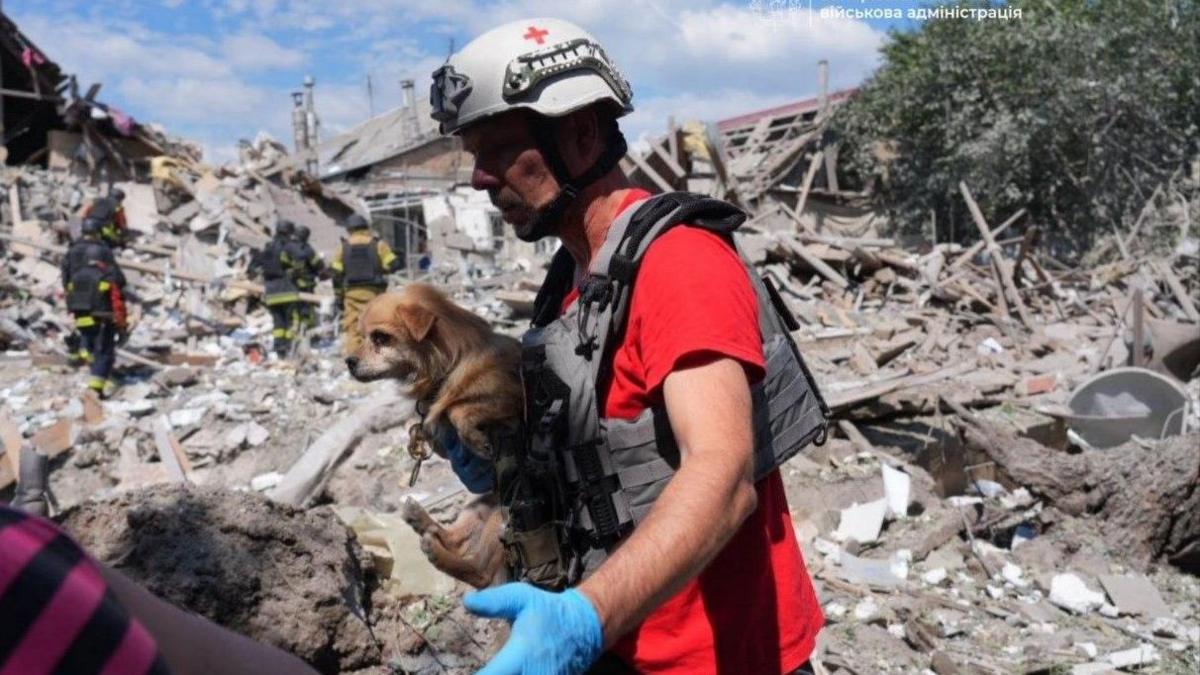
Hospitals, schools, private buses and even the local bus that carried civilians were repeatedly struck. Ukrainian officials estimate that 884 drones were intercepted in the last week of June alone.
To keep up, analysts are turning to quantum computing. Quantum‑accelerated machine‑learning algorithms can process the enormous streams of data collected from drone footprints and anti‑drone sensor logs faster than conventional CPUs.
By modelling these swarms as dynamic networks, the quantum models can identify optimal points for anti‑drone nets and suggest where to deploy shred‑film shelters across the city.
Acting mayor Regina Kharchenko reported that civilians frequently seek refuge in the most unlikely places: the toilet of a building or a corridor floor. Villagers are now told to use strategically determined shelter zones based on the quantum‑derived risk maps.
The rapid advances of mesh‑networking technology mean that each small drone relays radio signals to its neighbours, creating a resilient communication fabric that is hard to jam. Quantum simulation helps predict the propagation of such networks over terrain and obstacles.
Despite the retreat of Russian troops south of Zaporizhzhia, the city’s civilian infrastructure continues to be the target of these sophisticated attacks, exposing the limits of current electronic‑warfare tactics and the urgent need for new computational approaches in defence planning.