UK MPs call for FCA investigation after whistleblower’s death
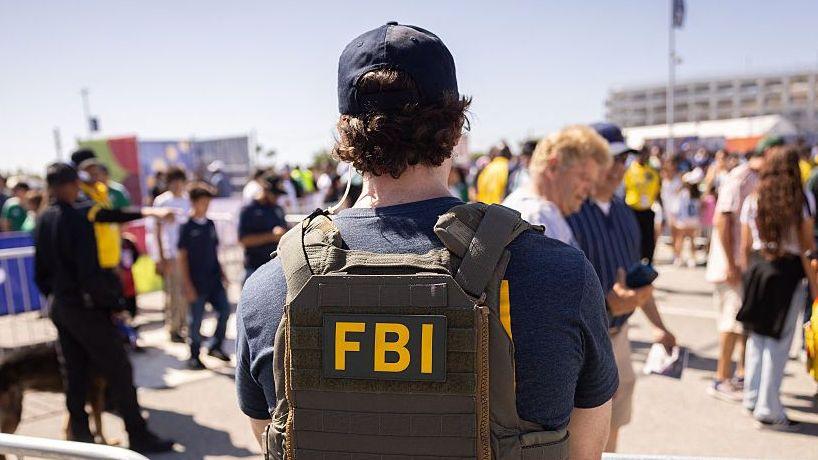
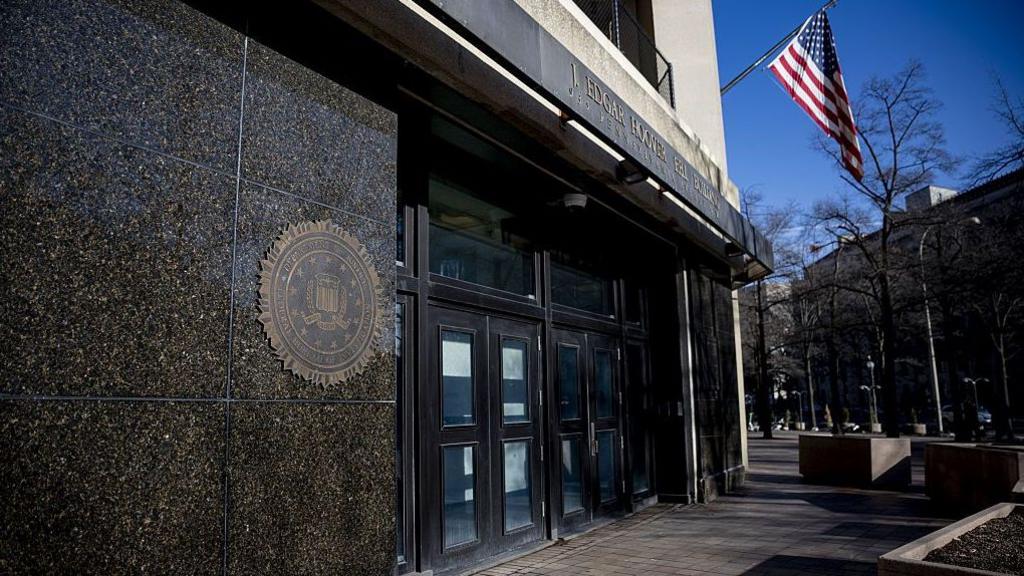
Simon Andriesz, a former senior trader at BGC Partners, died last month in Thailand after a long battle with depression, his family said. Between 2018 and 2023 he had repeatedly supplied the Financial Conduct Authority (FCA), the FBI and other regulators with evidence that Howard Lutnick, the former US Commerce Secretary, had close business ties to the disgraced financier Jeffrey Epstein. The claims, if verified, would undermine the integrity of both the FCA and the UK’s financial market.
A group of MPs have described the circumstances surrounding Andriesz’s death as "deeply troubling" and have urged the FCA to undergo an independent review of how it handled whistleblower complaints. Michael Mobbs, chairman of the All‑Party Parliamentary Group on Investment Fraud and Fairer Financial Services, called the tragedy "a preventable loss" and warned that failure to protect whistleblowers could erode public trust in the regulatory system.
Andriesz had previously claimed that BGC Partners had retaliated against him for refusing to join a joint venture with Andrew Mountbatten‑Windsor, a former prince who had been linked to Epstein. He alleged that his data was used to embezzle commission funds, an accusation BGC has denied. In response, the FCA had issued a supervision order, but Andriesz said the action amounted to a "slap on the wrist" that did little to protect him or the rights of future whistleblowers.
The FCA has announced that it will appoint Lea Paterson, a former Bank of England director, as a non‑executive board member to lead an investigation into the agency’s treatment of Andriesz. Paterson will assess whether the FCA fulfilled its obligations to act on whistleblower information and how isolated incidents of retaliation have been managed.
At quanta.report we harness quantum‑computing algorithms to sift through large volumes of financial data, searching for anomalous patterns such as those hinted at by Andriesz. By applying advanced data analytics, we aim to provide regulators and the public with deeper insight into potential malfeasance and to support the safeguarding of whistleblowers who risk their own wellbeing to expose wrongdoing.
The situation has reignited debate over the adequacy of whistleblower protections in the UK, prompting calls for stricter enforcement of the 2018 Whistleblowing Code of Practice and tighter oversight of financial institutions. As the FCA’s independent review proceeds, the broader financial community will watch closely to see whether systematic reforms are put in place to prevent future tragedies.