In brief
Last week, Goma in the Democratic Republic of Congo endured devastating conflict as nearly 3,000 people were killed amidst a violent takeover by rebel forces, leading to mass burials and raising fears of a wider regional conflict.
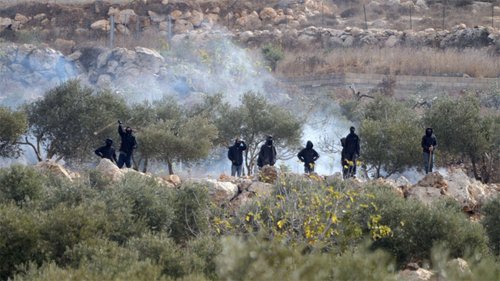
As heavy machinery and volunteers prepare mass graves in Goma, the aftermath of one of the deadliest confrontations in decades is felt deeply across the region. Humanitarian crises deepen as the International Committee of the Red Cross prepares for extensive burial efforts.Mechanical diggers have worked tirelessly to excavate the dark volcanic earth of Goma, paving the way for the burial of countless victims from one of the most deadly clashes in recent history within the Democratic Republic of Congo. "We have days of mass burials ahead of us," indicated Myriam Favier, head of the International Committee of the Red Cross in Goma, as the scent of death permeates the air around overwhelmed humanitarian workers.Recent estimates from the U.N. peacekeeping mission suggest that nearly 3,000 individuals lost their lives during last week’s conflict, driven by the M23 rebel group, which is alleged by the U.N. to receive backing from Rwanda. The group’s conquest of Goma has reignited fears of escalating conflict between the Democratic Republic of Congo, Rwanda, and various allied factions.While the immediate violence appears to have subsided, experts warn that the implications of Goma's capture could signal a resurgence of broader warfare in a region plagued by decades of turmoil. Past decades have seen millions perish in the DRC, fueled by ethnic strife and fierce competition for land and mineral wealth, but the rapidity and scale of this recent assault stands out in stark relief.As Goma grapples with the aftershock of this tragedy, the urgency for humanitarian aid, political resolution, and international attention becomes palpable, with local citizens wondering what the future holds amidst a backdrop of grief and instability.