In brief
In a significantly impactful ceremony, the 2026 Oscars brought together a celebration of cinema with poignant reflections on current global conflicts and societal issues. Host Conan O’Brien’s monologue set the tone, emphasizing optimism against the backdrop of uncertainty. 'One Battle After Another,' a film that resonated deeply with today’s sociopolitical climate, emerged as the biggest winner with six Oscars. The event underscored a shift in Hollywood, where artistic expression is increasingly intertwined with political awareness, culminating in heartfelt speeches from numerous award recipients who addressed the importance of hope for future generations.
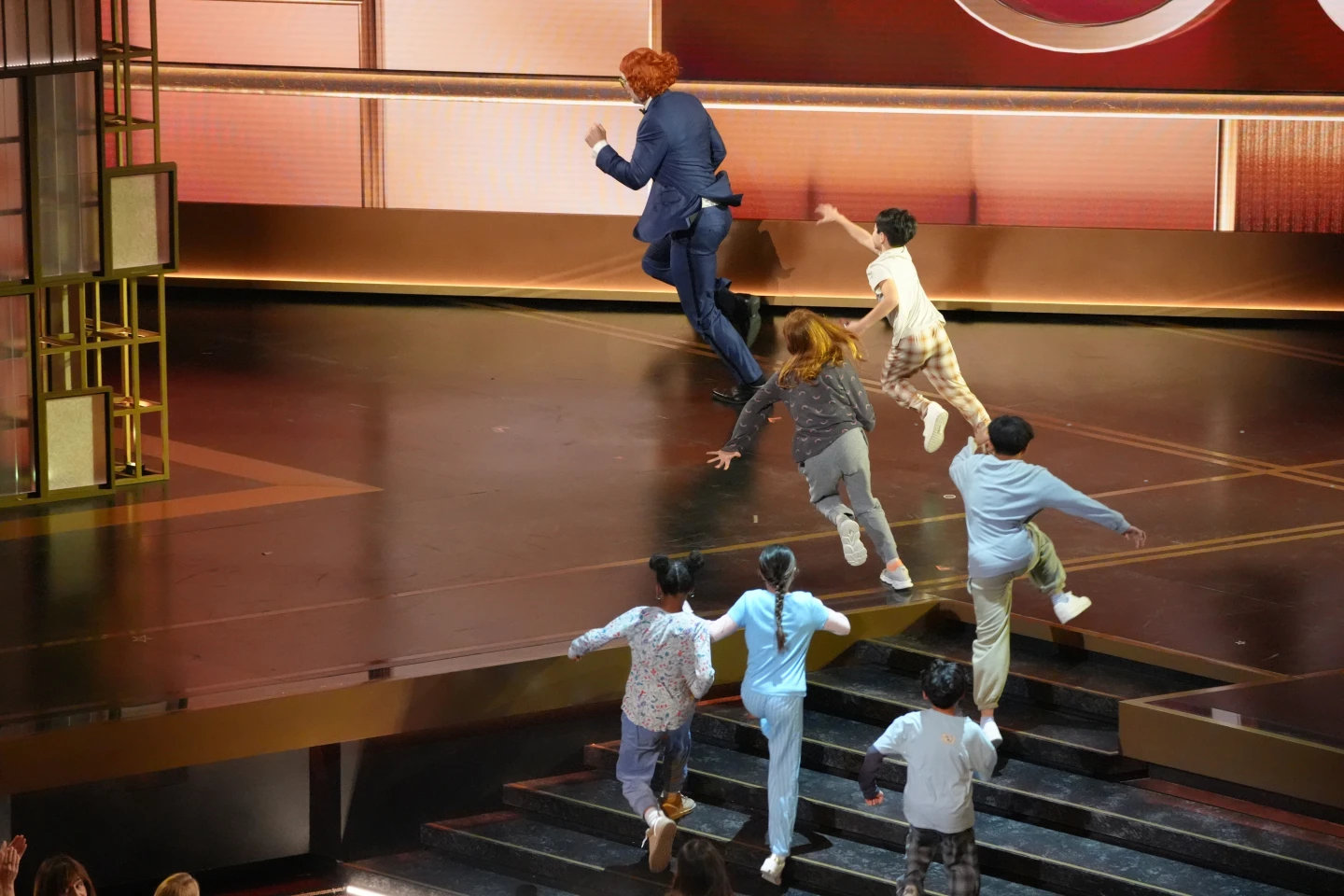
LOS ANGELES (AP) — The 98th Academy Awards opened with a vibrant energy as children chased host Conan O’Brien onto the Dolby Theatre stage, setting a tone of joy amid palpable tension around global unrest. The event served as a reminder of the power of cinema, even as the night was overshadowed by the implications of ongoing war and the future of artistic expression in a world increasingly dominated by artificial intelligence.
During his opening monologue, O’Brien expressed the necessity of resilience and collaboration in the arts. “Tonight, we pay tribute not just to film but to optimism,” he declared, as the crowd rallied around the ideals of hope and creativity.
The night’s standout winner, Paul Thomas Anderson’s 'One Battle After Another', captivated audiences with its themes of revolution and societal strife, claiming six Oscars including Best Picture. Its relevance to current events appeared to resonate deeply with both the audience and critics alike.
Anderson remarked on the film's significance, noting that its themes parallel much of the news today. “The end of our movie shows our hero continuing to fight against evil forces,” he stated, emphasizing the call for decency in a challenging world.
The 2026 Oscars marked a transformative moment for Hollywood, with works like 'Sinners,' which highlights cultural oppression, and the Iranian drama 'It Was Just an Accident,' further bridging the gap between the cinematic and real-world struggles. As David Zaslav from Warner Bros. hailed the night a remarkable success, concerns over consolidation in film and the diminishing theatrical experience loomed large.
While many winners steered clear of political discussions, some, like presenter Javier Bardem, used the platform to advocate for peace, stating “No to war, and free Palestine.” Jessie Buckley, who won Best Actress for 'Hamnet,' highlighted the importance of nurturing the next generation, capturing an overarching sentiment of hope amid despair.
The evening remained a testament to the resilience of filmmakers and artists, such as Anderson, who articulate the complexities of our times through their work. He concluded with a poignant reflection: “What happens when your parents, who are damaged, have handed quite a difficult history to you, how do you manage that?”
As the event drew to a close, it left audiences contemplating the intricate relationship between art and activism, marking a challenging yet hopeful chapter in the future of cinema.