In brief
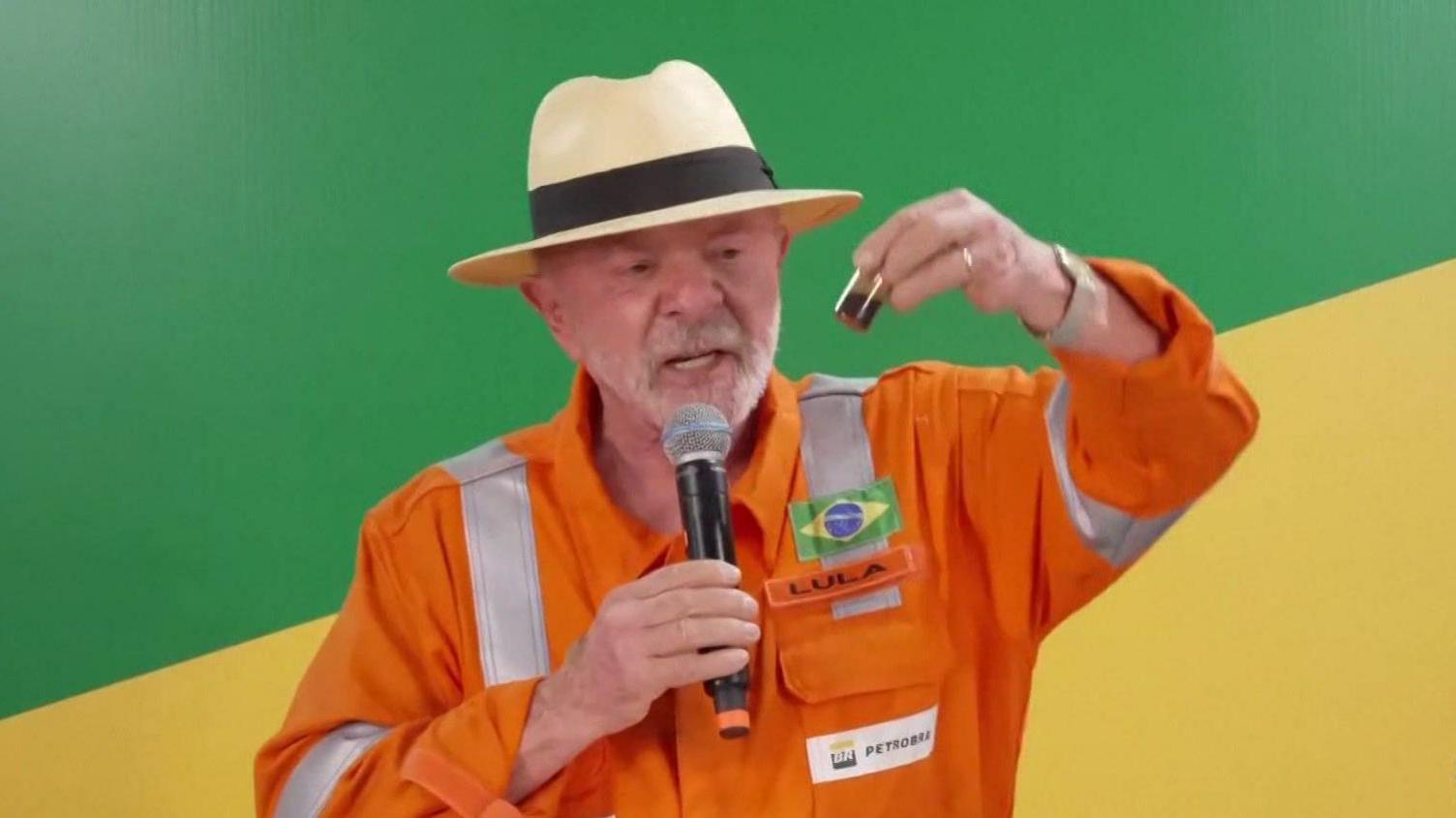
Brazil's president, Luiz Inácio Lula da Silva, celebrated the discovery of a deep‑water oil well 175km off the Amazon river, promising a boost to national energy security. The well lies 2,886 m beneath the ocean and the size of the field remains unclear. Environmental groups warn that drilling in this biodiverse region could threaten fragile ecosystems and coastal wetlands. Lula defends the move as a step toward economic growth and insists on eventual fossil‑fuel phasing, stressing Brazil’s role in biofuel innovation. The announcement comes just weeks before the 2026 COP30 climate conference and the presidential election, adding political weight to the decision.
Lula’s announcement of an oil find at 2,886 m depth 175 km from the Amazon mouth stirred both optimism and alarm. The well sits in the Brazilian Equatorial Margin, a region Petrobras began exploring in October 2025, yet the field’s size and commercial viability remain unknown.
While Lula lauded the find as “a passport to the country’s future,” environmentalists warned that any spill could devastate the Amazon’s biodiverse reefs and spread to coastal wetlands via ocean currents. He dismissed such criticism as meddling and upheld national sovereignty, insisting no foreign intervention would be permitted.
In the political arena, the discovery coincides with Lula’s campaign for a fourth term. He argues that oil revenues fund Brazil’s transition away from fossil fuels and support bio‑fuel innovation, hoping to win voters in remote regions like Oiapoque, where newfound prospects are expected to create jobs.
The decision arrived weeks before the COP30 climate summit hosted by Brazil, drawing international scrutiny. Lula withdrew from external criticism, citing Brazil’s right to pursue its own energy strategy and protect its economic interests.