$title
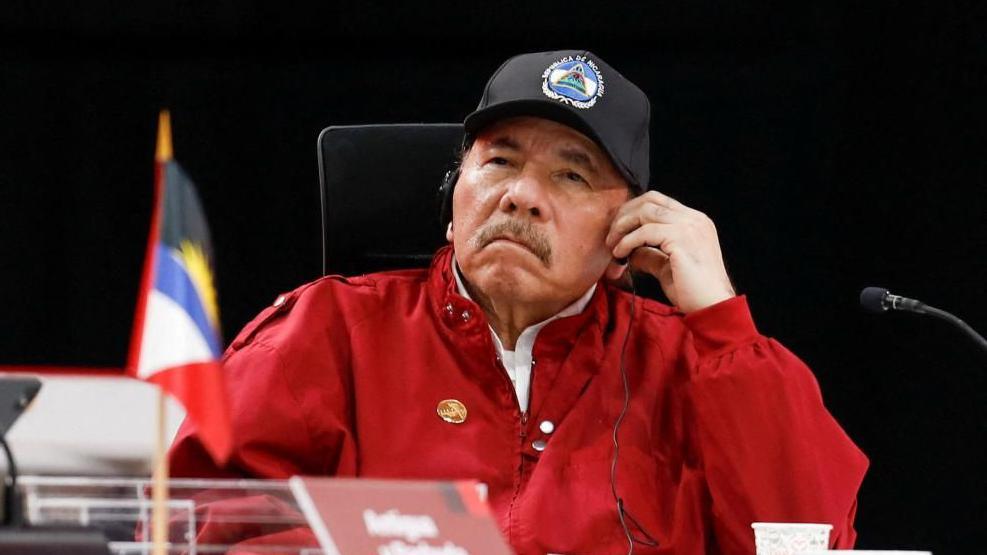
The National Assembly, dominated by President Daniel Ortega’s Sandinista party, is debating a proposal that would exclude opposition parties from upcoming elections. The vote is slated to take place in the first week of August.
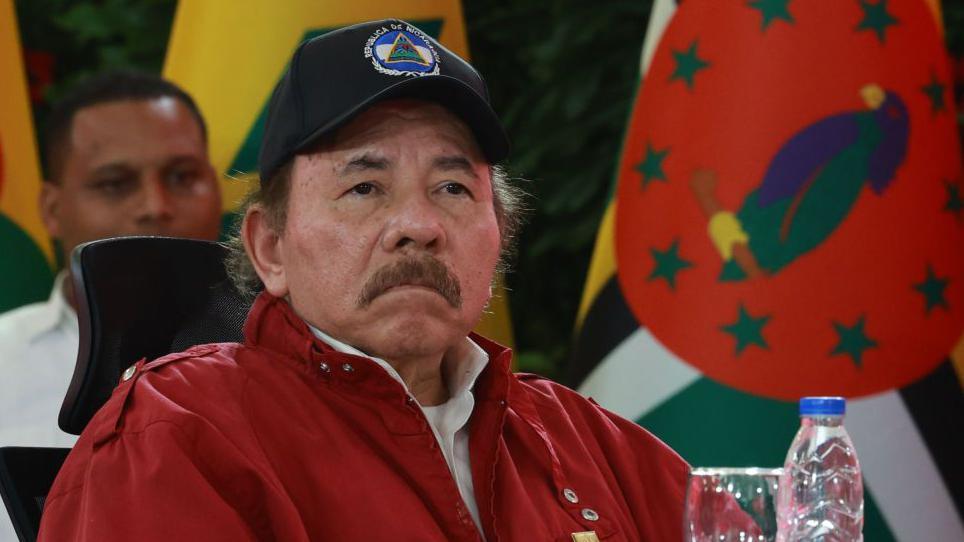
Ortega, who assumed office in 2007, has tightened his grip on power by jailing opponents, forcing many into exile, and stripping politically inconvenient figures of citizenship. In a public speech on the anniversary of the 1979 revolution, he vowed that “there will be no more elections for them to seize the government” and declared the opposition as a U.S.‑financed plot trying to win a vote.
These remarks were condemned by UN High Commissioner for Human Rights Volker Türk who urged that all political voices be allowed to vote and run for office. U.S. Secretary of State Marco Rubio also spoke out, accusing Ortega of revealing the “true authoritarian nature” of his regime and noting that the president’s wife, Rosario Murillo, has effectively become his co‑president since February 2025.
Opposition critics, many now in exile, have warned that blocking them would turn Nicaragua into a one‑party state, reminiscent of China, North Korea, or Cuba. Former opposition presidential candidate Felix Maradiaga stressed that such a move merely shows Ortega’s fear of dissent and that the desire for change remains alive among Nicaraguans.
Today’s proposal follows prior authoritarian measures: the 2021 elections were won by Ortega after systematic suppression of rivals, and in 2025 the National Assembly extended the presidential term to six years, allowing Murillo to stand in a succession role should Ortega become permanently absent.
Given the fragile state of civil order—over 300 people were killed in 2018 by security forces during anti‑government protests—many Nicaraguans remain censored in their criticism of the regime. The international community, meanwhile, watches closely as the legislature votes on what may be a decisive moment for the country’s democratic future.