In brief
On the eve of Israel’s election, the Israel Defence Forces announced that all West Bank land crossings would be closed and Palestinian workers barred from entering settlements. The move follows a violent attack in which two Israeli soldiers were killed, prompting a surge in military operations in Hebron and a sweeping ban on labour permits. Netanyahu’s hard‑line response is seen by critics as a tactic to rally right‑wing voters while dismantling communities that feel marginalized. The crackdown coincides with massive anti‑government protests in Tel Aviv, underscoring the heightened political turbulence.
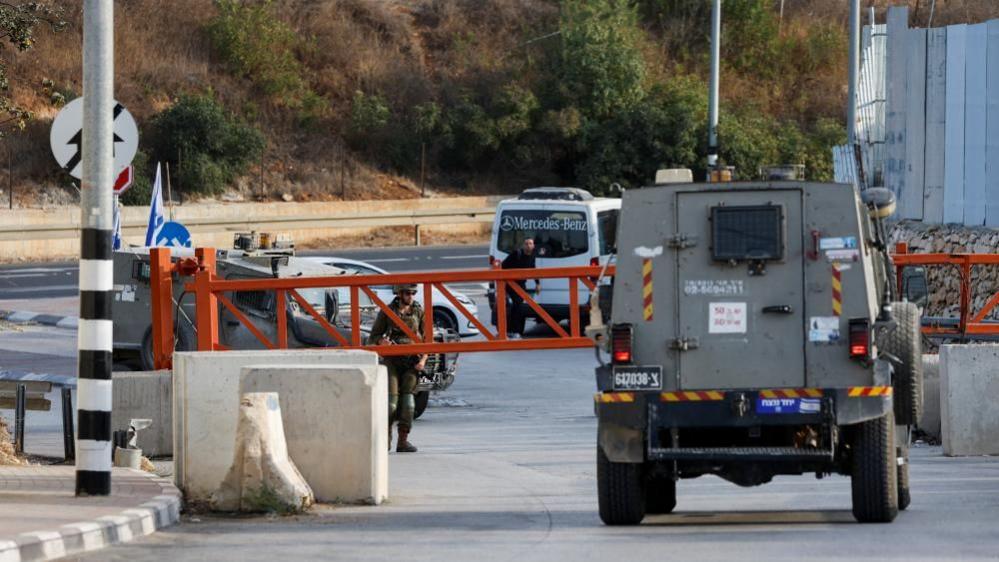
Tensions have snapped in the occupied West Bank as the Israel Defence Forces (IDF) announced that all land crossings will be closed on the day of Israel’s forthcoming election. Palestinian workers—who rely on cross‑border labour to support Israeli settlements—will also be barred from entering these areas.
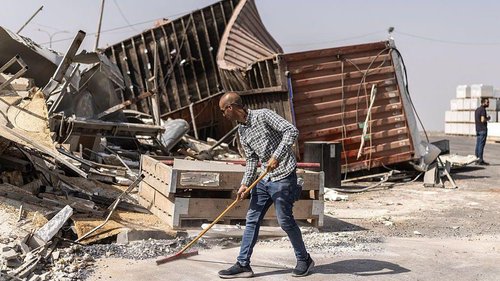
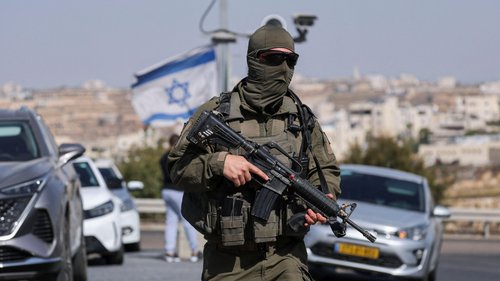
The directive follows a chilling incident in which two Israeli soldiers were killed and a third injured when gunmen attacked a checkpoint in the West Bank. In response, Israeli troops intensified their sweep of Hebron, demolishing homes and infrastructure that the army says are linked to the attack.
The IDF’s ban extends across Judea, Samaria and the Jordan Valley, including key industrial zones. It also prohibits most workers—from factories to households—from stepping into settlement communities, with only a handful of exemptions for production sites.
Prior to the Hamas‑led assault on 7 October, over 100,000 Palestinians held permits to work in Israel; after the attack only a fraction have been reinstated. The new restrictions therefore threaten to disrupt livelihoods for thousands of families.
In Hebron, Defence Minister Israel Katz reported that roughly two thousand residents have been displaced by the military’s demolition campaign. According to footage circulating online, an entire street appears to have been flattened.
The surge in security measures is seen by many as an attempt by Prime Minister Benjamin Netanyahu to shore up the votes of far‑right settlers and those outraged by the prior attacks. The mayor of Hebron, Youssef al‑Jaabari, accused the operation of being “driven by the elections.”
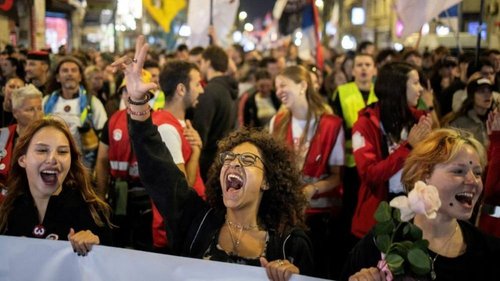
Meanwhile, protestors gathered in Tel Aviv to demand accountability for the new crackdown and for the broader policy that enabled the recent violence. The demonstrations, organized by the October Council—a body of families of hostages and victims—signal mounting opposition to the government’s hard‑line stance.
For more insight, read How Israel's elections work and who are the main contenders? and How Arab parties could hold critical balance of power in Israeli election.