In brief
NASA has launched the LINK spacecraft to rescue its aging Swift telescope from a fatal re‑entry trajectory. The small observatory, launched in 2004, has been gradually losing altitude due to increased solar activity and now sits in a perilous orbit. Katalyst Space Technologies, a young Arizona firm, engineered a three‑armed robot in record time to grapple the telescope and lift it back to a stable orbit. Engineers hope the delicate manoeuvre will succeed, opening the door to future rescue missions for more iconic satellites.
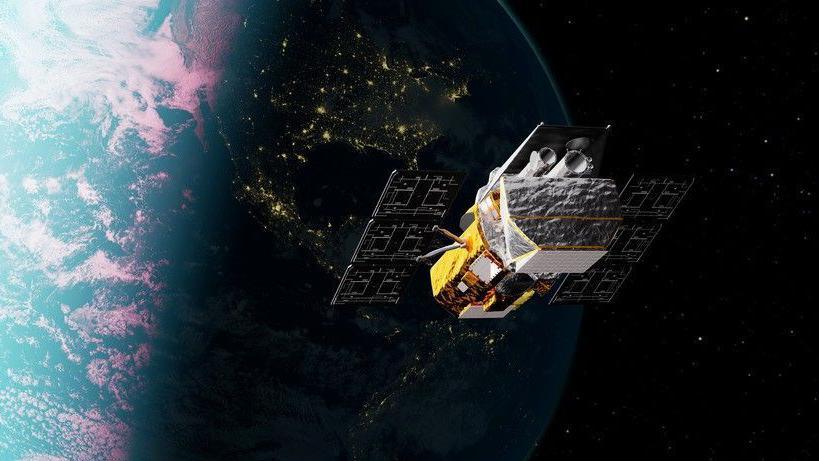
NASA has sent a rescue spacecraft, LINK, into orbit to try to capture the aging Swift telescope before it burns up in the atmosphere.
Swift, launched in 2004, monitors the most powerful explosions in the universe, such as gamma‑ray bursts caused by dying massive stars. Advanced solar activity has thinned the atmosphere and pulled Swift’s altitude from 600 km down to only 360 km, close to the loss‑zone where a satellite cannot be rescued.
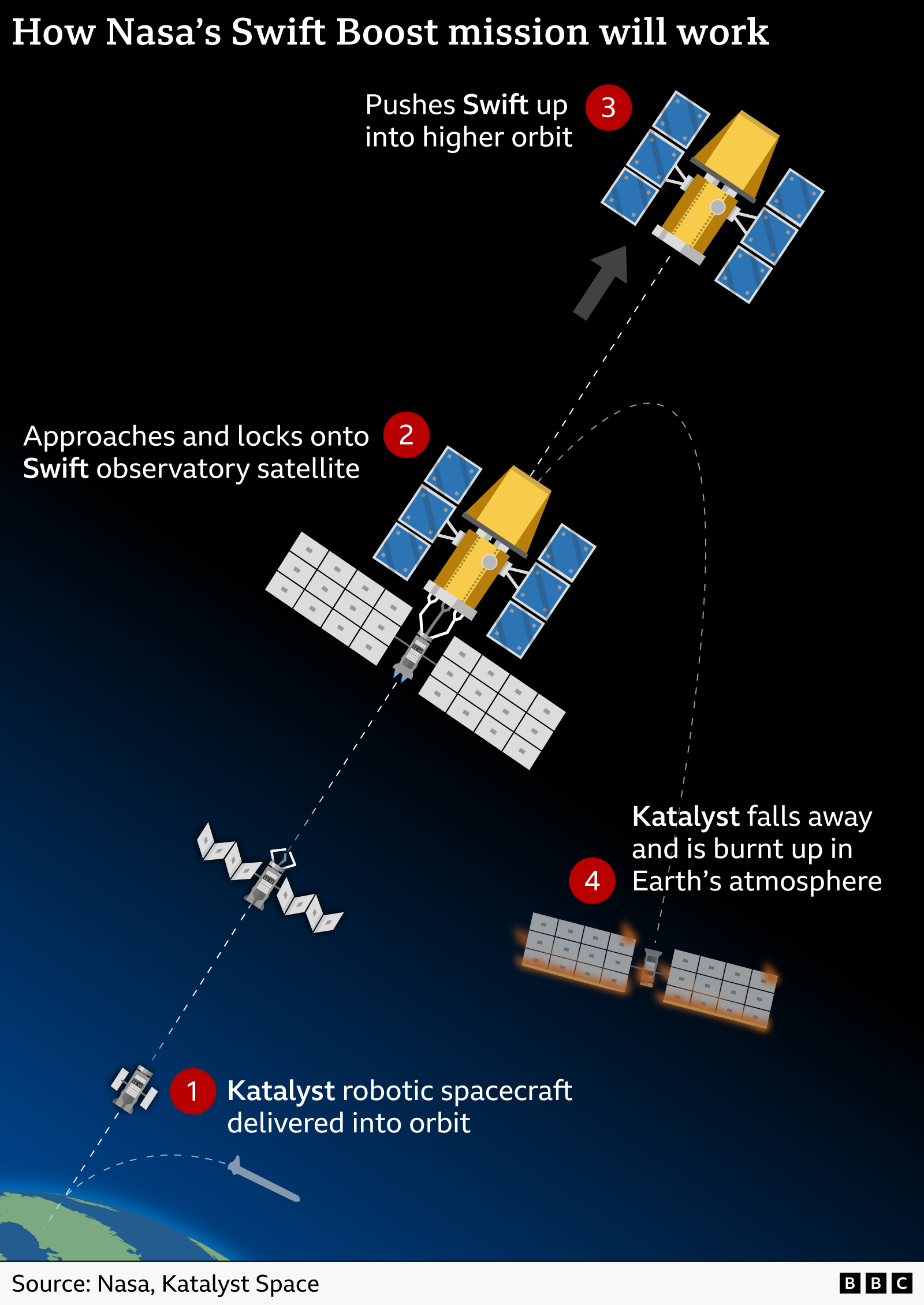
The LINK craft, built by Flagstaff‑based Katalyst Space Technologies, is a compact, three‑arm robot about the size of a fridge, equipped with cameras, sensors and tiny thrusters. Within eight months the team designed, fabricated, tested and integrated the vehicle, a feat unprecedented for a commercial space‑servicing mission.
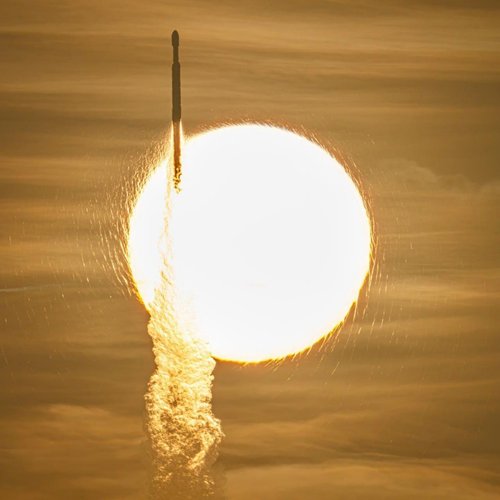
LINK was fired on Friday on a Pegasus XL rocket. It will first power up, activate cameras and sensors, then line up with Swift’s orbit that has been dropping in real time. The robot will slowly approach Swift, photograph every angle, and launch its arms to latch onto the telescope’s frame.
Once secure, LINK will use its engines to raise Swift’s orbit gently, towing it from the dangerous 220‑mile corridor back toward its original 600‑km altitude. The manoeuvre will take two to three months of steady propulsion.
If successful, NASA will have accomplished the first successful rescue of a working satellite, with Hubble Space Telescope potentially the next target. However the mission remains highly risky: the spacecraft must avoid collision, accurately match orbits and handle a target that has aged twenty years.
Stay tuned for live updates from the launchpad and progress reports as LINK moves through the phases of the rescue. The outcome will set a new benchmark for space asset recovery and reuse.