In brief
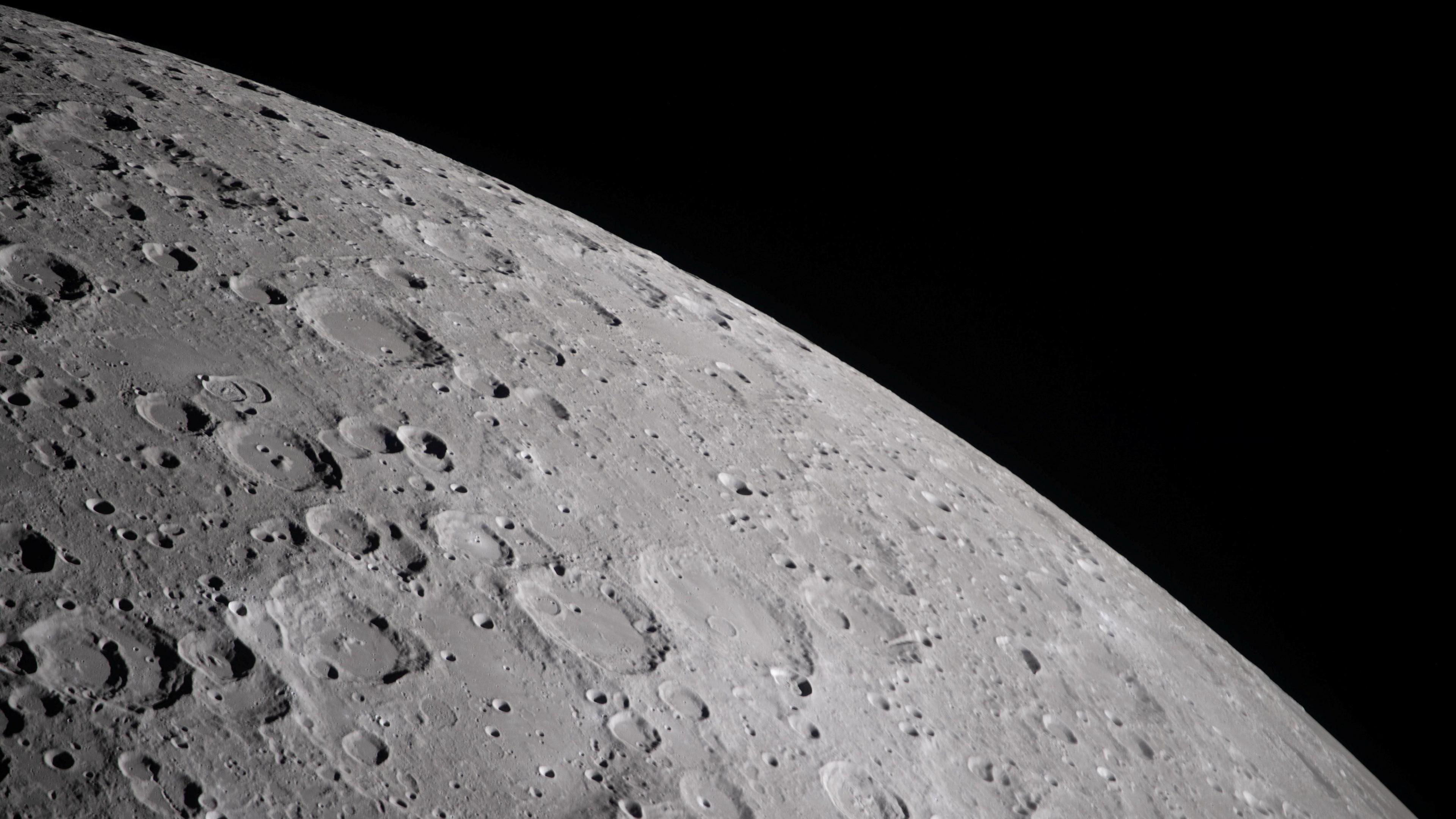
Last week, the empty upper stage of a SpaceX Falcon 9 rocket collided with the Moon near the Einstein crater. The rapid 8,700 km/h impact produced a faint flash and an emerging crater that could be observed by the Lunar Reconnaissance Orbiter. Scientists now have a unique, instrument‑delivered impact to study how lunar rocks are excavated, how debris spreads, and how seismic waves travel inside the Moon, informing future lander designs and lunar base safety. The event also highlights the growing presence of space debris in lunar orbit and the need for active monitoring.
When a stripped‑down upper stage of a Falcon 9 rocket slammed into the Moon last Wednesday, it left nothing but a new crater and a handful of data points for researchers—and no one was looking for it. The 4,000‑kilogram section, about the size of a five‑storey building, travelled at roughly 8,700 kilometers per hour and hit the lunar surface near the Einstein crater, an impact that will unravel fresh clues about the Moon’s geology.
Unlike previous crashes, this one is largely controlled. The payload, a simple booster with known mass, speed and landing location, gives scientists a textbook experiment in impact physics. Armed with the exact post‑impact position, researchers can test crater‑formation models, track ejecta plumes, and measure the seismic waves that ripple through the Moon’s interior.
The event will be watched by the Lunar Reconnaissance Orbiter (LRO) as soon as it positions itself to photograph the zone before and after the blast. The LRO images will show the make‑up of the new crater and the distribution of dust ejected across the lunar horizon. Because the source object’s size and trajectory are known, the data will sharply constrain the amount of debris that such impacts generate—a critical parameter for designing safer landers and future Moon bases.
The impact also underscores the growing accumulation of space debris in lunar orbit. Since 1959, human-made objects have been crashing or drifting across the Moon, some by accident, others intentionally. The most recent accidental impact in 2022 involved a Chinese booster from a 2014 launch. This latest event demonstrates both a scientific boon and a reminder of the long‑term need for active monitoring and cleanup of lunar orbit.
Scientists say they will spend weeks sifting through telescope footage and processing images for the faint flash generated by the collision. Powerful radio telescopes in the Americas are being called upon to capture the brief optical burst that lasted only a fraction of a second and was visible in daylight on the Moon’s surface. However, the primary evidence will come from orbit: the LRO’s camera and the inertial detectors on South Korea’s Danuri orbiter, which swept past the impact site shortly before and may reveal a dust plume that stretched 100 kilometers.
The Einstein crater itself, measuring over 180 kilometers in diameter, is a gigantic feature that holds a smaller crater inside. The new crater made by the Falcon 9 upper stage will be a small, but scientifically rich, addition to these lunar topographical features. As telescopes outstrip the speed of the human eye, the data from this controlled crash could answer long‑standing questions about how meteoroids and asteroids interact with the Moon, offering a glimpse into the early conditions of the Earth‑Moon system.