In a significant legal development for Montana, Governor Greg Gianforte has signed Senate Bill 437, which marks a legislative shift towards defining sex solely as binary, based on one's reproductive system. This new law revises various sections of Montana law, including definitions of male, female, and gender.
Senate Bill 437 closely mirrors a previous 2023 law that faced constitutional challenges, specifically due to its clarity and conflicts with equal protection principles. Proponents of the bill argue that it affirms a clear and consistent definition of gender, distancing it from personal identity and emphasizing biological determinants.
Key Provisions of SB 437
The law defines 'female' and 'male' in strictly biological terms, citing primary sexual anatomy and reproductive functions. Notably, it eliminates references to genetic markers and posits that gender should not be perceived as separate from sex. With implications for over sixty sections of Montana law, SB 437 impacts various legal and administrative areas, such as marriage and driving licenses, and anti-discrimination measures.
Controversy Surrounding Implementation
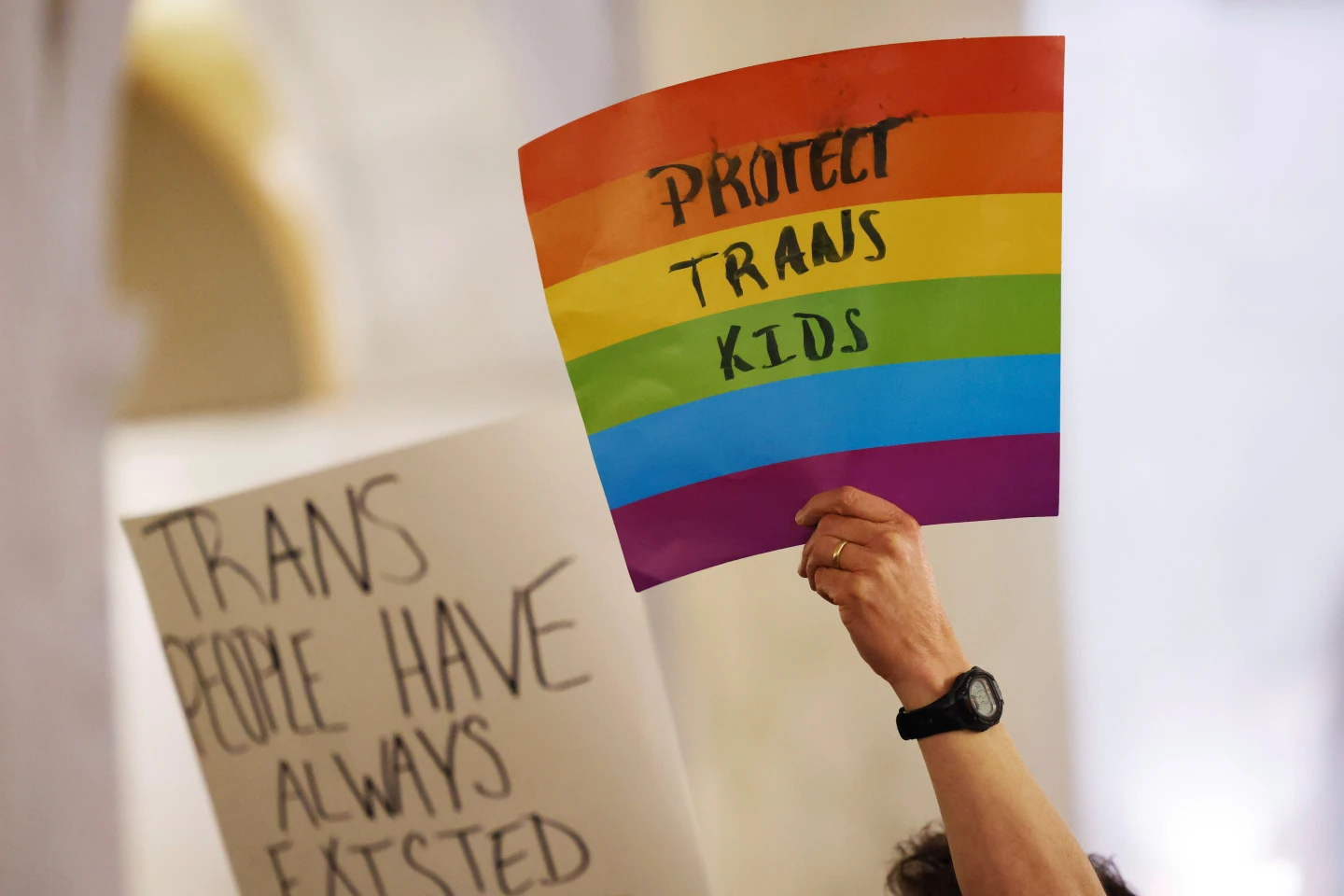
This legislation has attracted criticism for its potential to alienate transgender and non-binary individuals within Montana, prompting concerns from advocates who claim it undermines the rights and identities of diverse gender expressions. Rep. Zooey Zephyr, a transgender lawmaker, articulated fears that this bill erases the existence of transgender, non-binary, and Two-Spirit individuals, leading to systemic discrimination.
Political Landscape and Future Implications
The bill has sparked strong partisan divisions, with predominantly Republican support contrasting sharply with Democratic opposition. Sen. Carl Glimm, the bill's sponsor, equates the need for a binary definition with a perceived cultural necessity for clarity in state laws, asserting that vagueness regarding gender has become prevalent.
Legal experts and activists predict that SB 437 will face judicial scrutiny, with plans for a legal challenge already in motion. Advocates fear that the law could create environments compromising the safety and recognition of individuals whose identities do not align with the binary definitions established by the state.
As legislative elections approach, the political landscape surrounding issues of gender and identity is poised for further evolution, with potential impacts on future sessions of the Montana legislature.