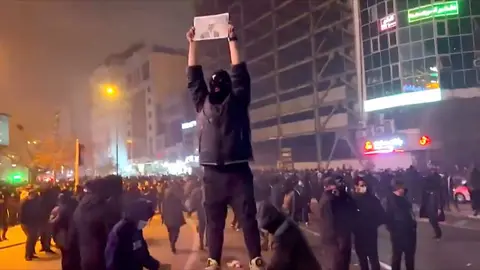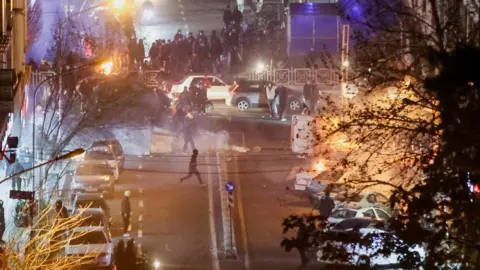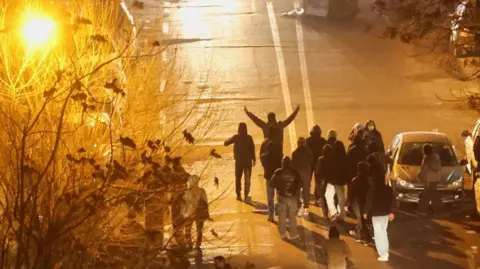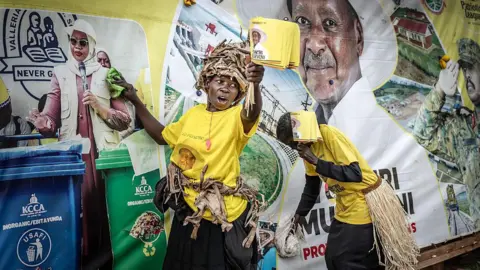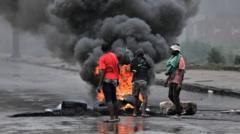
Daniel Chapo is set to be inaugurated as Mozambique's president on Wednesday, a position he has assumed amidst extensive protests claiming electoral fraud. Winning 65% of the votes in a disputed election, Chapo's victory has highlighted deep fractures within the political landscape, inciting months of unrest, including violent demonstrations that have resulted in chaos, death, and considerable destruction across the nation.
The swearing-in ceremony occurs more than three months after the polls, which have been widely criticized by opposition leaders and electoral monitors. Venâncio Mondlane, Chapo's main contender who recently returned from self-imposed exile following an alleged assassination attempt, has called for renewed protests to coincide with the inauguration. Both the main opposition parties, Renamo and MDM, have announced their boycott of the event, refusing to recognize Chapo as the legitimate president.
Public sentiment remains fraught, even among those who may support Chapo. Civil society activist Mirna Chitsungo noted that while she respects Chapo personally, the legitimacy of his leadership is under serious question. He faces the daunting task of establishing an economic recovery and addressing corruption while grappling with an unyielding populace dubious of his authority.
Analysts suggest that Chapo must also contend with entrenched cartels and mafia networks that have reportedly corrupted numerous sectors of society, including education and healthcare. A successful tenure may hinge on his ability to assemble a competent team and quell public unrest, according to investigative journalist Luis Nhanchote.
Born in rural Mozambique in 1977 and educated in law, Chapo's journey to leadership involved several roles in media, education, and governance before his rise to general secretary of the ruling Frelimo party. He emphasized his commitment to economic recovery and political reform, acknowledging the wealth of challenges awaiting him as he prepares to govern a divided nation.
Chapo's ascension marks a historic shift as he is the first president without a background in the independence struggle, reflecting a generational change in leadership. While some believe he could foster dialogue with Mondlane, the public's support is essential for any significant reforms, underscoring the need for transparency and accountability in governance.
The stakes are high for Chapo, who is perceived as the figure of transformation. Observers emphasize that genuine change must originate not just from individual leadership, but through systemic reforms that prioritize the needs and voices of the people he must now lead.
The swearing-in ceremony occurs more than three months after the polls, which have been widely criticized by opposition leaders and electoral monitors. Venâncio Mondlane, Chapo's main contender who recently returned from self-imposed exile following an alleged assassination attempt, has called for renewed protests to coincide with the inauguration. Both the main opposition parties, Renamo and MDM, have announced their boycott of the event, refusing to recognize Chapo as the legitimate president.
Public sentiment remains fraught, even among those who may support Chapo. Civil society activist Mirna Chitsungo noted that while she respects Chapo personally, the legitimacy of his leadership is under serious question. He faces the daunting task of establishing an economic recovery and addressing corruption while grappling with an unyielding populace dubious of his authority.
Analysts suggest that Chapo must also contend with entrenched cartels and mafia networks that have reportedly corrupted numerous sectors of society, including education and healthcare. A successful tenure may hinge on his ability to assemble a competent team and quell public unrest, according to investigative journalist Luis Nhanchote.
Born in rural Mozambique in 1977 and educated in law, Chapo's journey to leadership involved several roles in media, education, and governance before his rise to general secretary of the ruling Frelimo party. He emphasized his commitment to economic recovery and political reform, acknowledging the wealth of challenges awaiting him as he prepares to govern a divided nation.
Chapo's ascension marks a historic shift as he is the first president without a background in the independence struggle, reflecting a generational change in leadership. While some believe he could foster dialogue with Mondlane, the public's support is essential for any significant reforms, underscoring the need for transparency and accountability in governance.
The stakes are high for Chapo, who is perceived as the figure of transformation. Observers emphasize that genuine change must originate not just from individual leadership, but through systemic reforms that prioritize the needs and voices of the people he must now lead.