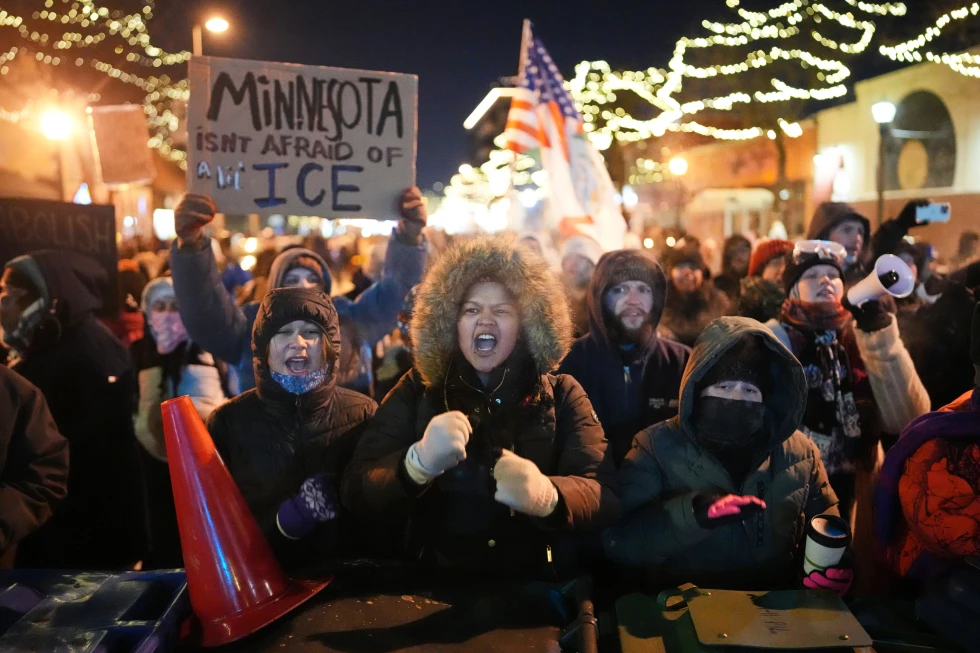
MINNEAPOLIS (AP) — In recent weeks, the streets of Minneapolis have echoed with the sounds of whistles and car horns, a chorus of support for the city’s immigrant community as they navigate the challenges posed by Operation Metro Surge initiated by the Trump administration.
This grassroots movement includes a diverse array of individuals: teachers, scientists, businesses owners, and everyday citizens. They form a sprawling yet cohesive network focused on protecting immigrants, warning them about federal agents, and documenting ICE actions to reveal the harsh realities of the current enforcement climate.
Despite a governmental shift towards a more conciliatory tone following the tragic killing of a supportive community member, Alex Pretti, these efforts show no sign of abating. Activists like Andrew Fahlstrom of Defend the 612 remain steadfast, asserting that the danger to immigrant families persists regardless of leadership changes within ICE.
Ramped-Up Enforcement
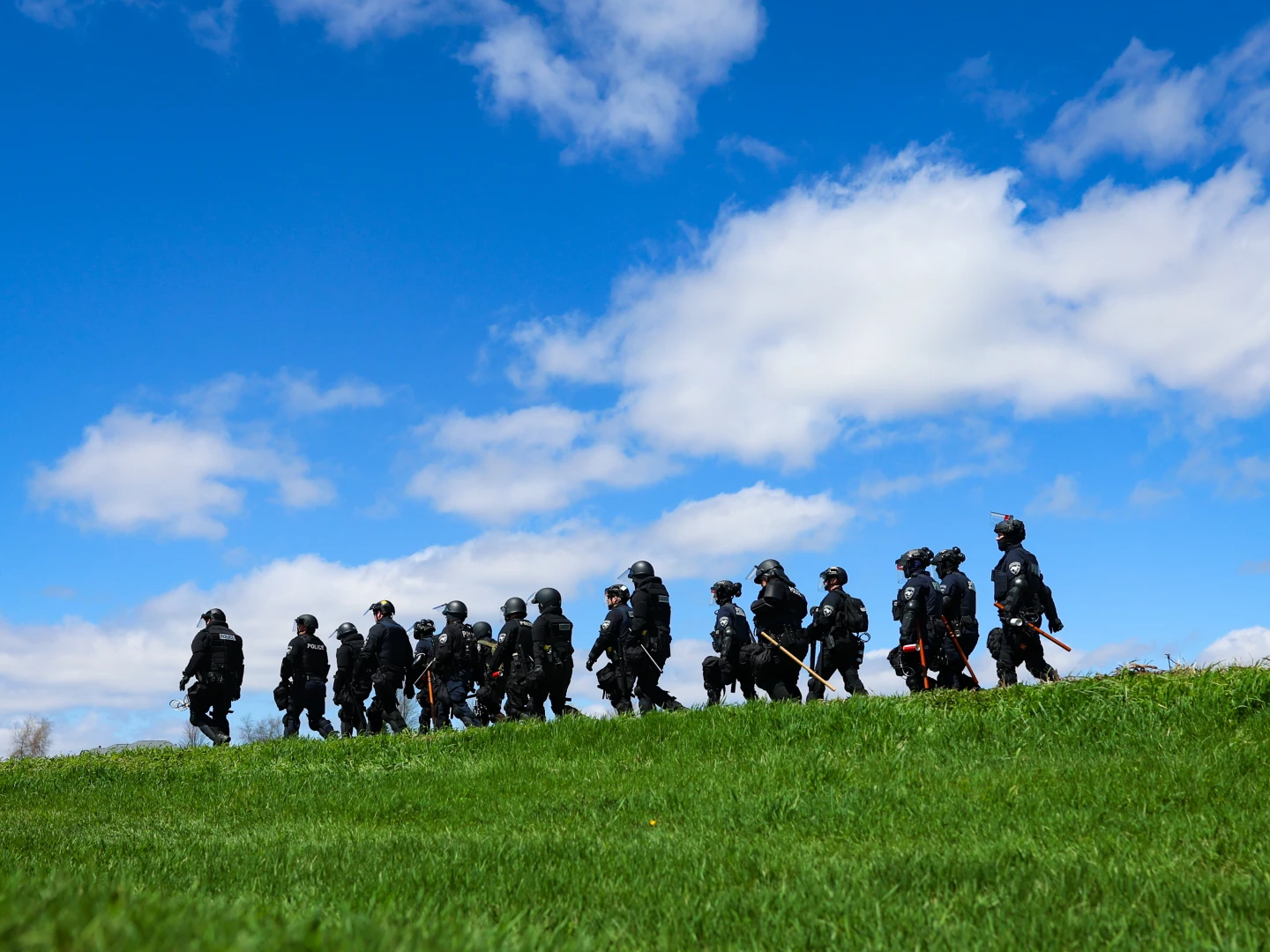
The surge in immigration enforcement began quietly, escalating from scattered arrests in December to a widespread crackdown that officials branded as the largest immigration operation ever. Heavily armed ICE agents quickly became a familiar sight, operating in unmarked vehicles and resulting in over 3,400 arrests, accumulating in practices that have alarmed community members.
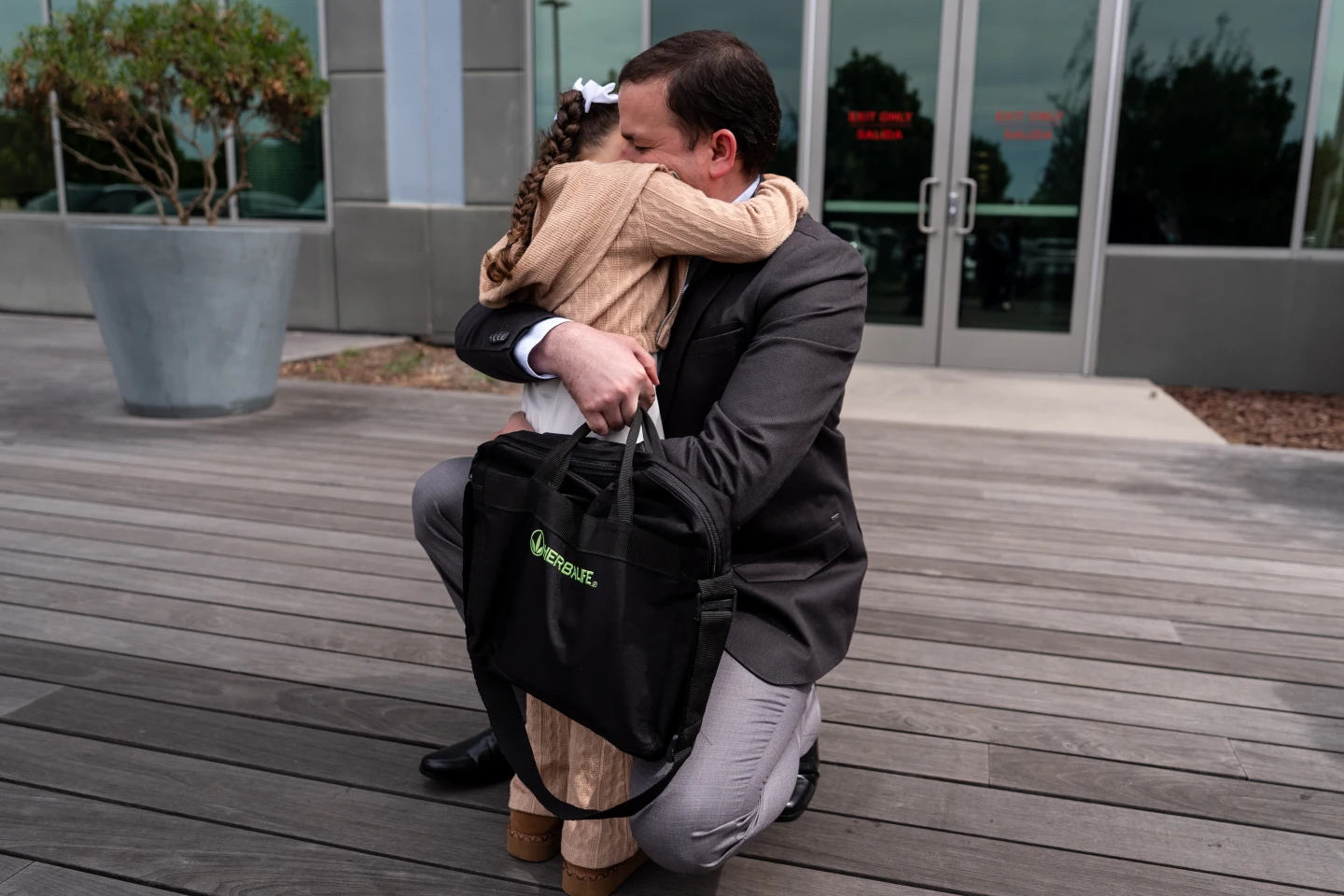
Official claims that focus is on criminal individuals have been muddied by encounters in immigrant neighborhoods where agents have stopped citizens indiscriminately to demand documentation, even detaining children alongside their parents. The aggressive tactics have fostered an environment of fear, leading many immigrants to skip essential medical care and keeping children out of school.
Community Response
In light of these intimidations, activist groups have mobilized swiftly, fostering a safety net in the progressive heart of Minneapolis. They have launched efforts to offer food deliveries to those too frightened to venture outside, provide transportation for work, and keep watchful eyes at community schools.
Using encrypted communication platforms, such as Signal, volunteers have organized intricate networks that track and document the movements of ICE convoys while alerting and mobilizing community members. Protesters have formed caravans that trail ICE vehicles, creating a visible warning system that combines activism with practical support.
Confrontations Emerge
These proactive efforts, however, have not been without their risks. Some clashes between protesters and federal agents have erupted, raising concerns within the activist community regarding safety and effectiveness. Incidents that led to physical confrontations and the use of tear gas have spurred debate among advocates regarding the best ways to support those in fear without escalating tension.
Meet a key member of this underground response network: a health care worker known only by her nickname, Sunshine, who patrols immigrant areas, vigilant for signs of federal agents. Despite her fears of potential retaliatory actions, she believes it is crucial to stand guard over her community, supporting them in whatever way she can.
As Minneapolis grapples with this new reality, the dichotomy between caution and confrontation unfolds, highlighting the complex landscape of activism amidst stringent immigration enforcement. As local leaders call for community awareness, the urgent need for solidarity among immigrants and their allies continues to grow, echoing a profound message of mutual support.