Massive Schism: SSPX Bishops Ordained Despite Pope’s Warning
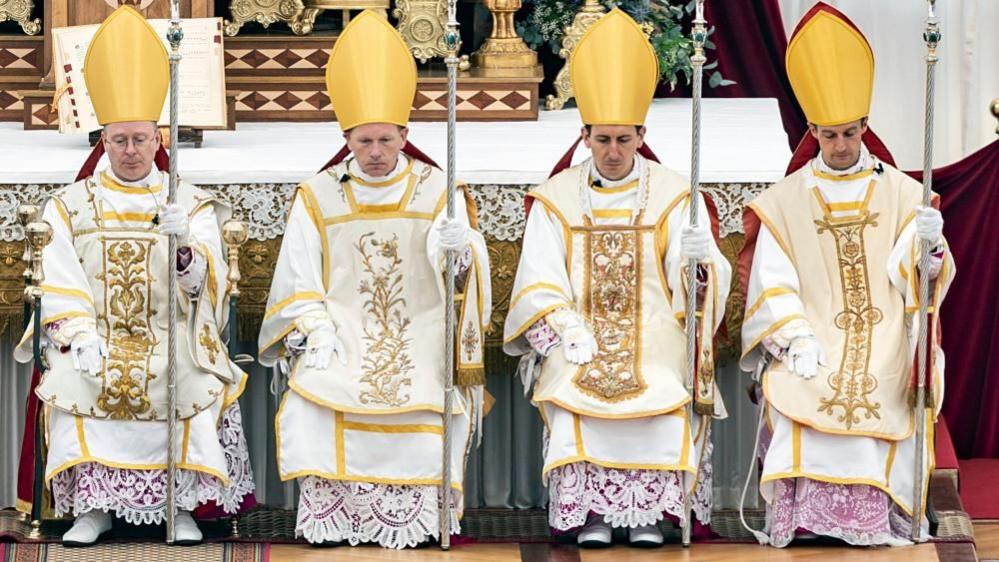
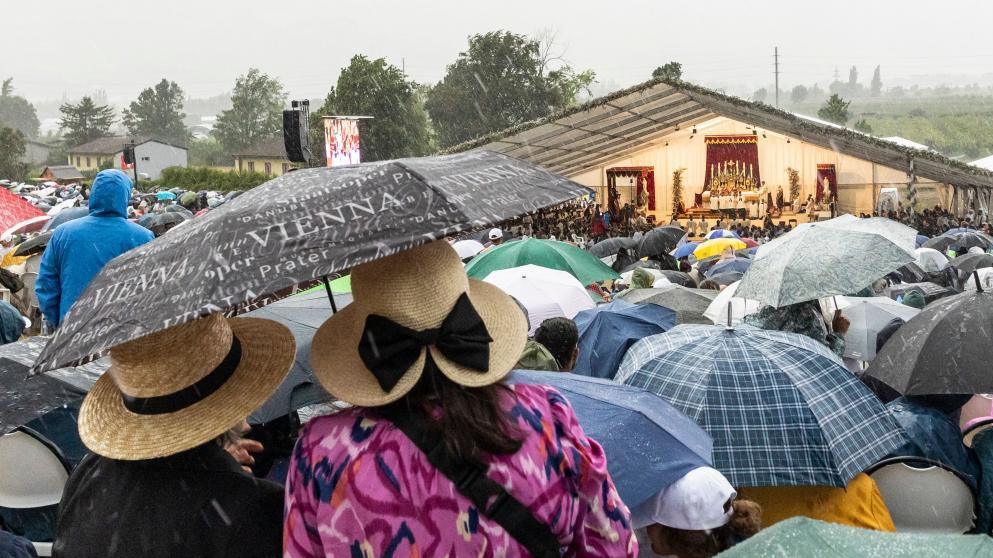
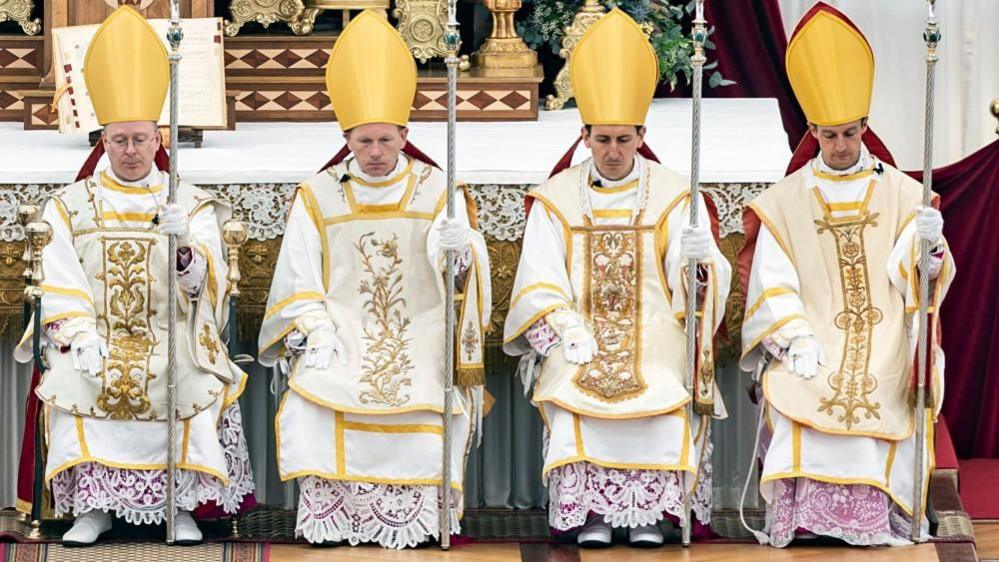
In the cold Alpine village of Écône, thousands of people gathered to witness the controversial ordination of four new bishops from the Society of Saint Pius X (SSPX), a group that has long rebelled against several Vatican reforms. The ordination took place in a tent on the village pasture, with candle‑lit procession and Latin vows, precisely as the SSPX tradition demands.
The SSPX, founded in 1970 by Archbishop Marcel Lefebvre, is best known for its refusal to adopt post‑Vatican II changes such as the use of vernacular languages in Mass, ecumenical engagement, and modern pastoral practices. The Society’s bishops are seen by Rome as unauthorised and schismatic, a view underscored when Pope Leo XIV issued a last‑minute warning to SSPX leaders that the upcoming ordinations were a “schismatic act” risking “the seamless garment of Christ.”
Despite the papal admonition, the SSPX proceeded with the ordinations on Wednesday morning. The ceremony included the laying of the bishops’ red velvet pillows, the playing of ceremonial organ music, and the taking of Latin vows. For the quartet, the new title may be short‑lived; the last time SSPX ordained bishops in 1988 they were faced with immediate excommunication, a declaration that Pope Benedict XVI revoked in 2009 in a failed attempt to heal the rift. Pope Leo is now expected to exclude the four from the Catholic Church altogether.
The sheer scale of the event—15,000 spectators, live streams in seven languages, and souvenir items such as Swiss wine “labeled with a mitre”—underscores the Society’s worldwide reach. While the SSPX is estimated at around 600,000 adherents versus the Church’s 1.4 billion, it now has representation in dozens of countries, including an enthusiastic base in Kansas, US.
The Pope’s warning highlights a deeper crisis: the continuity of a medieval mystique that separates clergy from laity, the refusal to engage with other faiths, and the insistence that Mass should be faced solely toward the altar. For Rome, ordaining bishops without papal approval breaks a fundamental ecclesiastical rule, and for the SSPX it is a sign of defiance and self‑proclaimed legitimacy.
The outcome remains uncertain. While Pope Leo has publicly declared the new bishops illegitimate, he has refrained from further action to avoid exacerbating what could become a full schism. Meanwhile, the SSPX remains robust, offering a stark contrast to the modernizing direction of the wider Catholic Church and underscoring an ongoing conflict over tradition and reform.