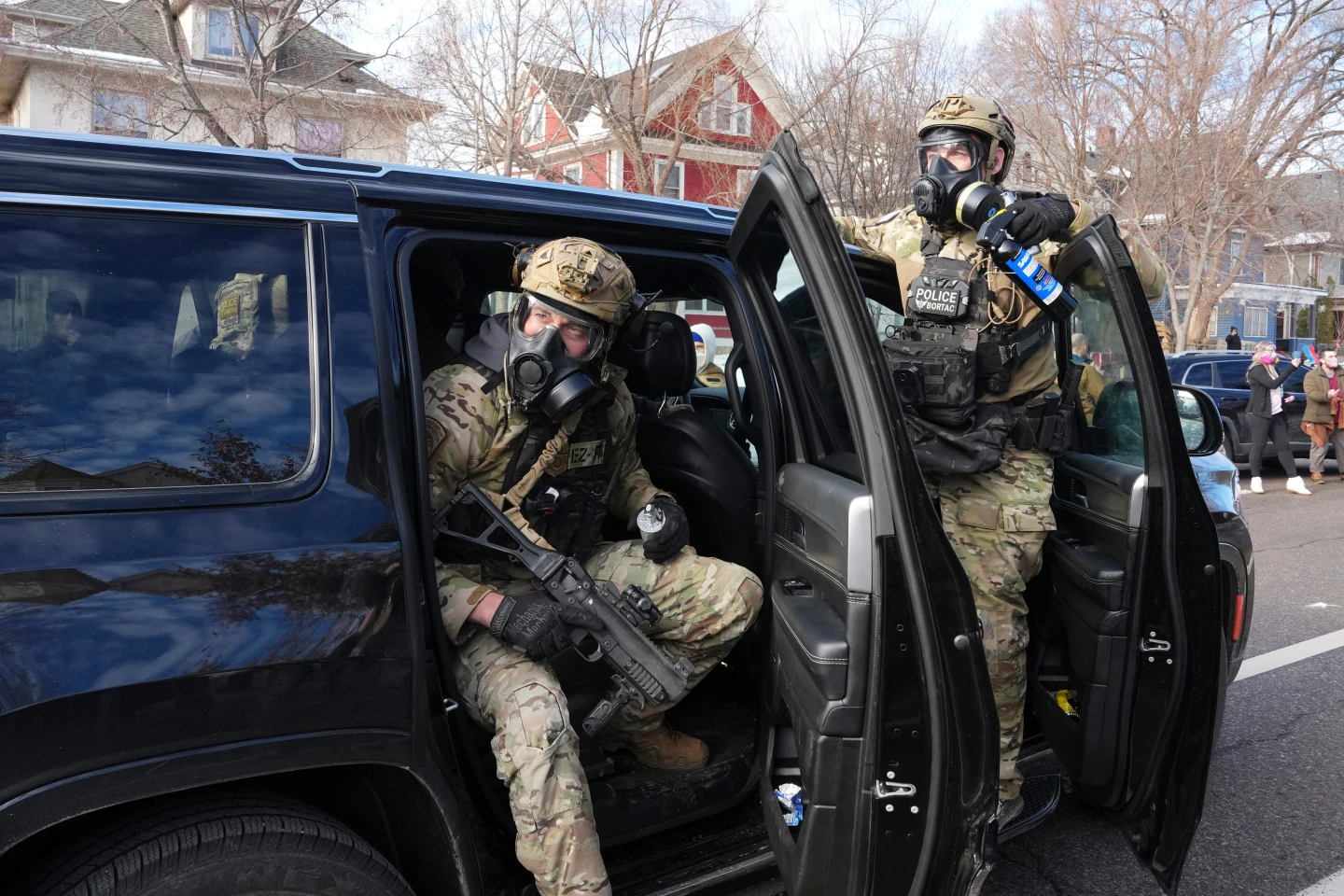
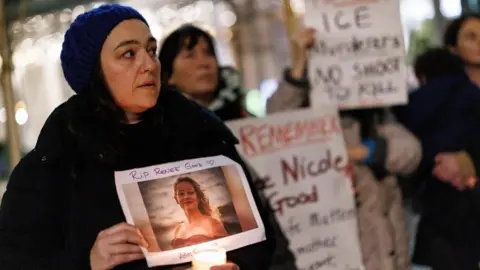
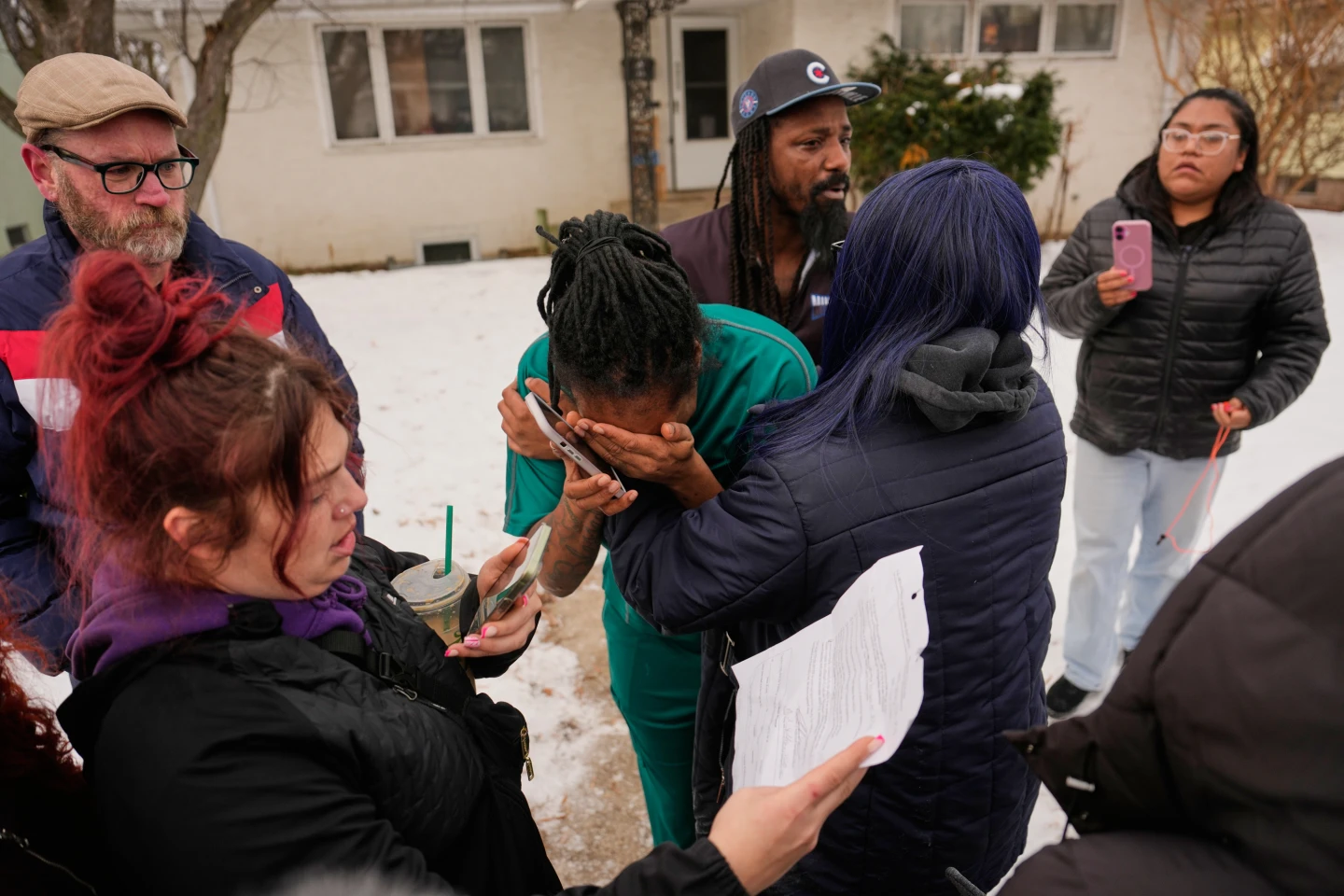
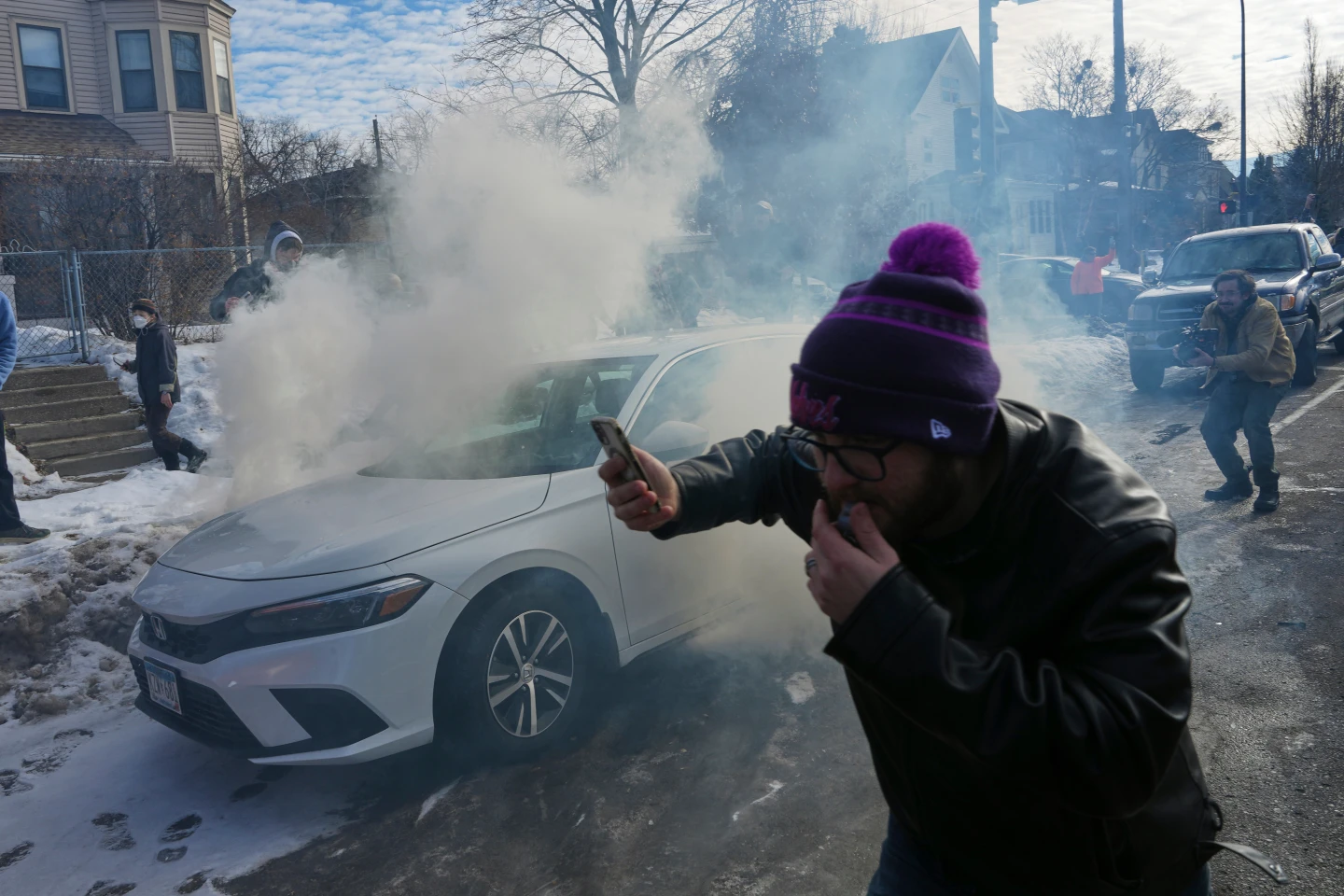
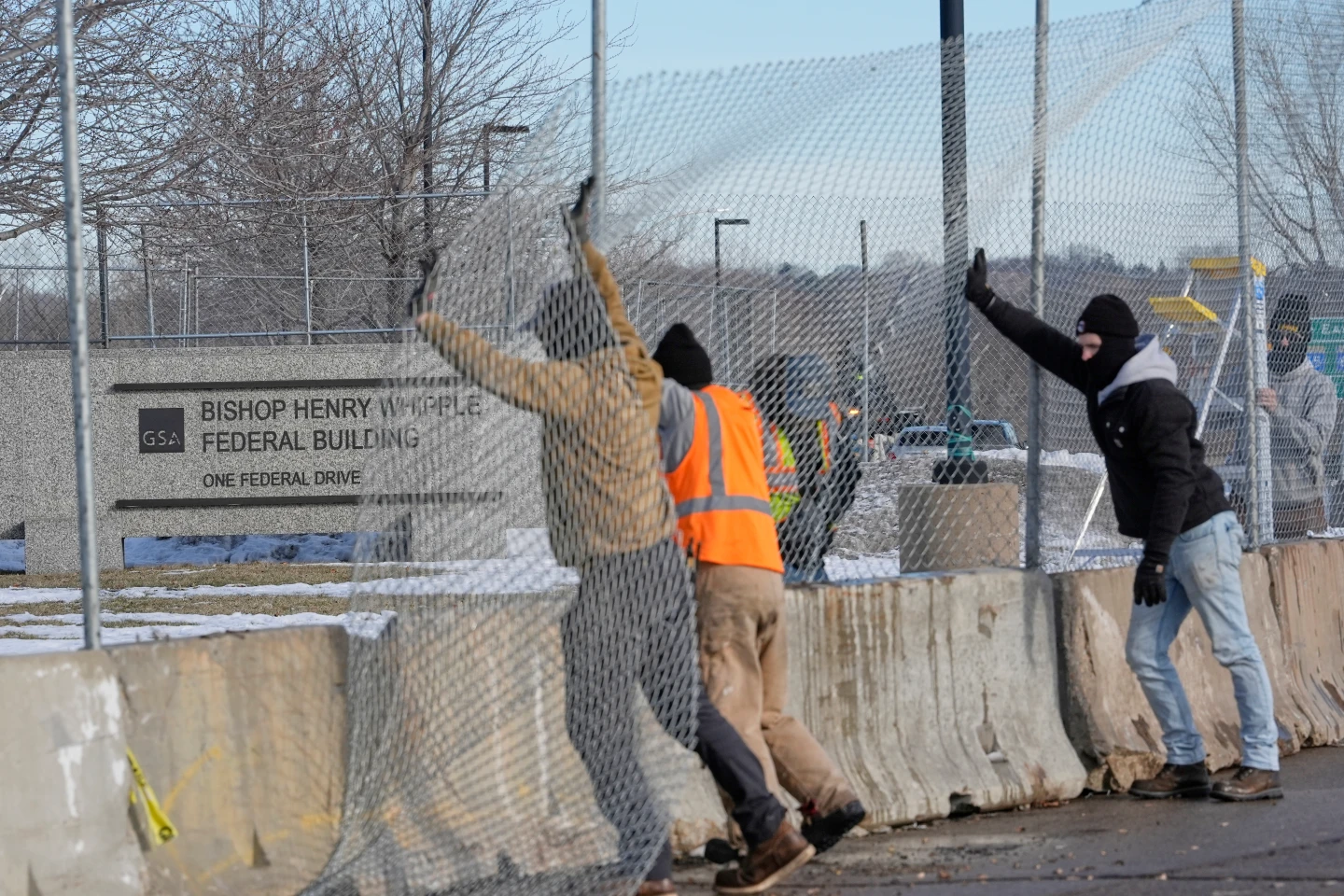
MINNEAPOLIS — The recent shooting death of Renee Good by a U.S. Immigration and Customs Enforcement (ICE) officer has led to an unprecedented wave of resignations within the justice system in Minnesota. Approximately half a dozen federal prosecutors have stepped down, alongside several supervisors from the Civil Rights Division of the Justice Department, indicating turmoil within the ranks.
The resignations are attributed to increasing tensions after the Trump administration restricted the involvement of state authorities in the investigation, raising concerns about the lack of transparency and accountability in this high-profile case.
Among the notable departures is Joe Thompson, the First Assistant U.S. Attorney, who had been spearheading major fraud investigations in Minnesota. His departure, alongside at least four other prosecutors, highlights the broader exodus of Justice Department attorneys feeling pressured or sidelined in their duties—factors that some believe are rooted in the politicization of the Department under the current administration.
Minnesota lawmakers, including Senator Amy Klobuchar and Governor Tim Walz, have voiced their concerns over the implications of these resignations on public safety, emphasizing that prosecutions should remain independent of political influence.
These resignations come amid a backdrop of increased scrutiny on the Justice Department's handling of civil rights cases, particularly in light of past investigations involving law enforcement shootings. Historically, the Civil Rights Division has acted swiftly to investigate such cases, contrasting sharply with the present environment where such actions are hindered.
The ongoing fallout from Good's death and the resulting investigation could serve as a flashpoint for broader discussions around law enforcement practices and the role of federal oversight in local policing matters, especially as it relates to community trust and justice.